
File Intellect
  • Home
  • Finance
  • Technology
  • Fitness
  • Cooking
No Result
View All Result
  • Home
  • Finance
  • Technology
  • Fitness
  • Cooking
No Result
View All Result
File Intellect
No Result
View All Result
Home Cooking

How Temperature Changes Texture

by admin
October 26, 2025
in Cooking
0
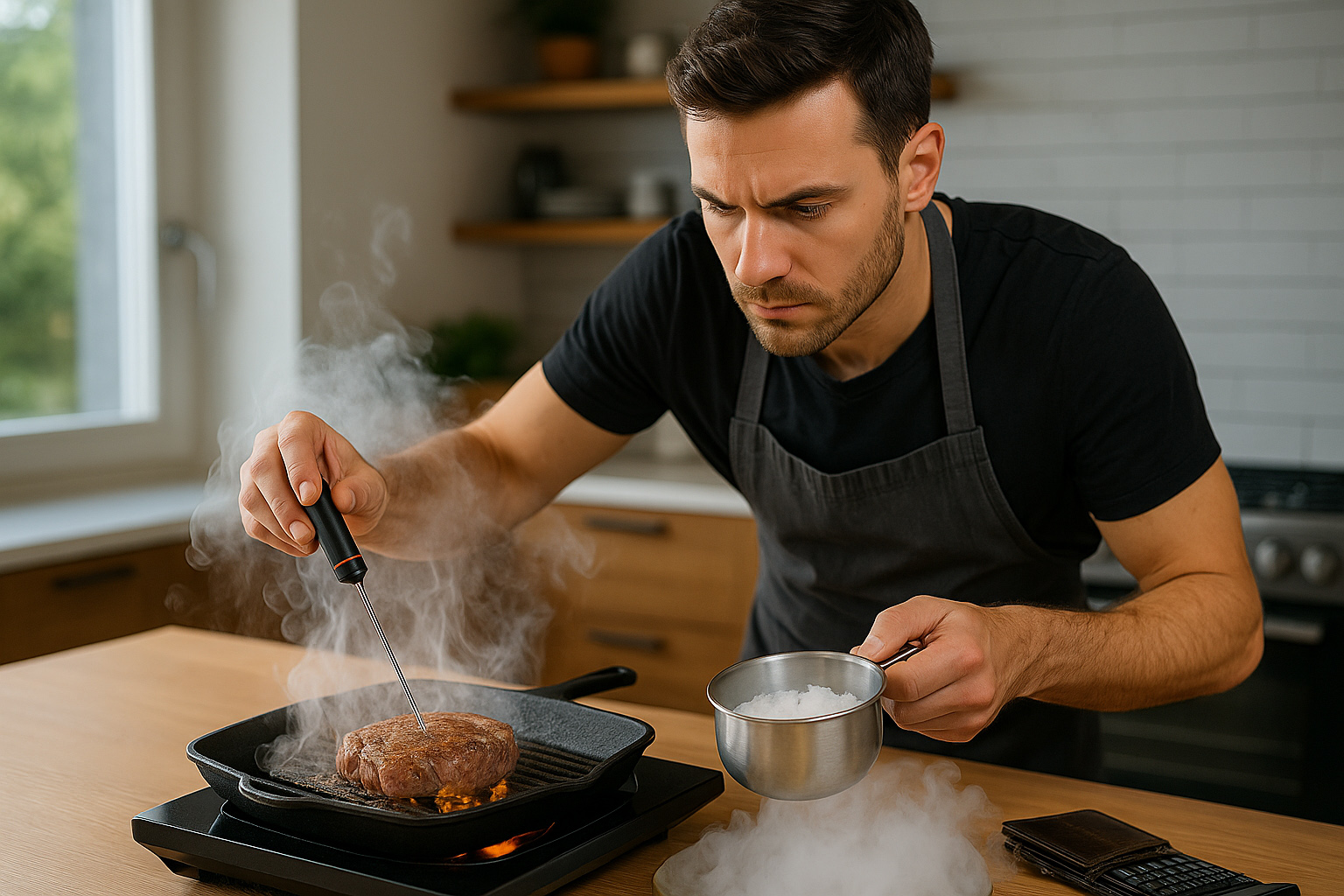
How Temperature Changes Texture

Temperature plays a pivotal role in transforming how food looks, feels, and tastes. From the crunch of fried chicken to the smoothness of melted chocolate, heat and cold directly influence texture — the sensory element that defines our eating experience. Understanding how temperature affects texture is not only key for chefs and food scientists but also for anyone who loves to cook and experiment in the kitchen.

The Science Behind Heat and Texture

When food is heated, its chemical structure changes. Proteins denature, starches gelatinize, and fats melt — all of which alter texture. For example, heating meat breaks down collagen into gelatin, making it tender, while overcooking it can cause dryness and toughness. Similarly, baking bread causes starches to expand and set, giving the loaf its signature crusty exterior and soft interior. Heat essentially acts as a texture sculptor, shaping how ingredients respond to our senses.

Cold’s Role in Texture Transformation

Cold temperatures, on the other hand, can preserve texture or create entirely new ones. Freezing slows molecular movement, preserving crispness in vegetables or firmness in fish. However, improper freezing can lead to ice crystal formation, damaging cell walls and resulting in mushy textures when thawed. In desserts, cold creates delightful contrasts — think of the creamy density of ice cream or the firm, smooth feel of chilled mousse. Cooling also affects fat crystallization, which influences the snap of chocolate or the spread ability of butter.

Balancing Temperatures for Perfect Texture

Professional chefs often manipulate temperature carefully to achieve the desired mouthfeel. Techniques like sous vide cooking maintain a precise, even heat to ensure consistent tenderness. Shock-chilling vegetables after blanching locks in their bright color and crunch. Even home cooks rely on temperature control — letting meat rest after cooking prevents juices from escaping, ensuring moistness and texture balance. The mastery of texture often comes down to timing and thermal precision.

Temperature and Sensory Perception

Interestingly, temperature doesn’t just change texture physically — it also alters how we perceive it. A cold dish feels firmer and less aromatic, while warmth enhances softness and releases flavors. That’s why melted cheese seems creamier and more satisfying when hot, or why cold fruit feels more refreshing. Our sensory experience of food is an interplay between texture, temperature, and taste — all working together to shape enjoyment.

Conclusion

Temperature is the hidden artist behind food’s texture, constantly shaping the sensory experiences that define our meals. By learning how heat and cold transform ingredients, we not only become better cooks but also more mindful eaters — appreciating the science that turns simple ingredients into delightful textures.

admin

admin

Next Post
Functional Movements for Real-Life Strength

Functional Movements for Real-Life Strength

  • Cooking
  • Finance
  • Fitness
  • Technology
  • Uncategorized

Subscribe Us

By clicking submit, I authorize File Intellect and its affiliated companies to: (1) use, sell, and share my information for marketing purposes, including cross-context behavioral advertising, as described in our Terms of Service and Privacy Policy, (2) supplement the information that I provide with additional information lawfully obtained from other sources, like demographic data from public sources, interests inferred from web page views, or other data relevant to what might interest me, like past purchase or location data, (3) contact me or enable others to contact me by email with offers for goods and services from any category at the email address provided, and (4) retain my information while I am engaging with marketing messages that I receive and for a reasonable amount of time thereafter. I understand I can opt out at any time through an email that I receive, or by clicking here

Popular Posts

  • Five-Sense Cooking: Techniques That Activate All Senses to Make Food Taste Better
  • Sustainable Cooking: Reducing Food Waste at Home
  • Big Data: Turning Information Into Innovation
  • Insider Tips for Small Business Financing
  • Functional Movements for Real-Life Strength
LOGO

Email

[email protected]

Contact Us:

13033 Ridgedale Drive (Box 231),
Minnetonka, Minnesota, 55305

Subscribe Us

By clicking submit, I authorize File Intellect and its affiliated companies to: (1) use, sell, and share my information for marketing purposes, including cross-context behavioral advertising, as described in our Terms of Service and Privacy Policy, (2) supplement the information that I provide with additional information lawfully obtained from other sources, like demographic data from public sources, interests inferred from web page views, or other data relevant to what might interest me, like past purchase or location data, (3) contact me or enable others to contact me by email with offers for goods and services from any category at the email address provided, and (4) retain my information while I am engaging with marketing messages that I receive and for a reasonable amount of time thereafter. I understand I can opt out at any time through an email that I receive, or by clicking here
  • Contact Us
  • Privacy Policy
  • Terms Of Service
  • Unsubscribe
  • Privacy Choices

© 2025 File Intellect | All rights reserved.

No Result
View All Result
  • Home
  • Finance
  • Technology
  • Fitness
  • Cooking

© 2025 File Intellect | All rights reserved.

Skip to content
Open toolbar Accessibility Tools

Accessibility Tools

  • Increase TextIncrease Text
  • Decrease TextDecrease Text
  • GrayscaleGrayscale
  • High ContrastHigh Contrast
  • Negative ContrastNegative Contrast
  • Light BackgroundLight Background
  • Links UnderlineLinks Underline
  • Readable FontReadable Font
  • Reset Reset