
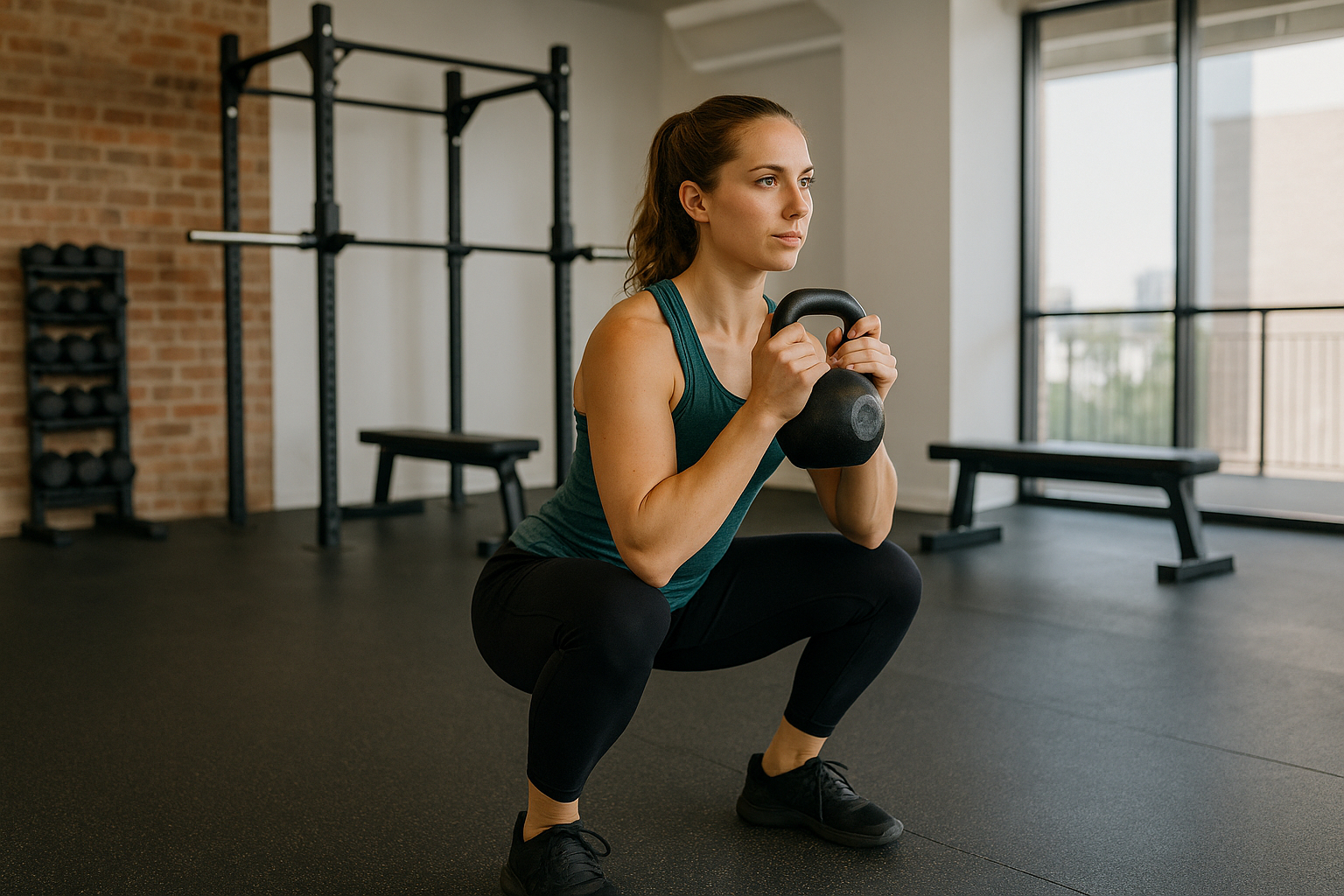
Strength isn’t just about how much you can lift at the gym — it’s about how well your body performs in everyday life. Whether you’re carrying groceries, climbing stairs, or picking up your child, functional movements help you build strength that translates directly into real-world actions. This training approach focuses on improving coordination, balance, and mobility while reducing the risk of injury.
What Are Functional Movements?
Functional movements are exercises that mimic everyday actions. They involve multiple joints and muscle groups working together, rather than isolating one muscle at a time. Think of squats (as if sitting and standing), lunges (walking or climbing), or push-ups (pushing open a heavy door).
Unlike traditional weightlifting routines that emphasize appearance or isolated strength, functional training prioritizes efficiency and body mechanics. It enhances how your muscles, joints, and nervous system coordinate to handle real-life demands.
The Benefits of Functional Training
Incorporating functional exercises into your workout routine offers several advantages. These movements:
-
Build total-body strength by engaging multiple muscle groups at once.
-
Enhance flexibility and balance, reducing the risk of falls or strains.
-
Improve posture and body alignment through natural movement patterns.
-
Boost endurance and stability, making everyday tasks feel easier and safer.
Functional training also strengthens your core, which supports your spine and improves performance in both sports and daily activities.
Examples of Functional Movements
You don’t need specialized equipment to get started — your body weight often suffices. Here are some key examples:
-
Squats: Strengthen your legs, hips, and core while mimicking sitting and standing motions.
-
Deadlifts: Build power for lifting objects safely from the ground.
-
Lunges: Improve lower-body balance and coordination.
-
Push-ups and Pull-ups: Develop upper-body and core stability.
-
Planks and Rotational Exercises: Strengthen the midsection and improve functional stability.
Adding tools like kettlebells, resistance bands, or medicine balls can increase challenge and variety.
Making It a Lifestyle
The beauty of functional fitness lies in its adaptability. You can integrate it into daily routines — standing on one leg while brushing your teeth to improve balance, taking stairs for leg endurance, or practicing good lifting form during chores. Over time, you’ll feel stronger, more mobile, and confident in movement.
Conclusion
Functional movements are the foundation of real-life strength. By training your body for how it’s meant to move, you not only build muscle but also enhance performance, stability, and resilience in everyday life.

