
Weeknight meals don’t have to be rushed or repetitive. With a few deliberate strategies, you can reduce cooking stress and enjoy healthier dinners more often. This article outlines practical workflows, prep techniques, and storage habits that make evening meals manageable. Small changes in planning and organization yield consistent results. These small investments pay off in taste and variety.
Planning Efficient Weeknight Menus
Start by building a flexible menu framework that rotates favorite proteins, grains, and vegetables across the week. Choose two or three core recipes and vary sauces, spices, or sides to keep flavors fresh without extra effort. Prioritize ingredients that share similar cooking times or techniques so you can batch parts of the meal. Allow a buffer night for leftovers or a quicker dish to avoid last-minute takeout. Keep a running list of easy backup recipes for busy nights.
Using a simple template for weekly meals reduces decision fatigue and grocery waste. Over time this habit speeds up shopping and cooking. It also makes adapting meals to schedules simpler.
Prep Techniques That Save Time
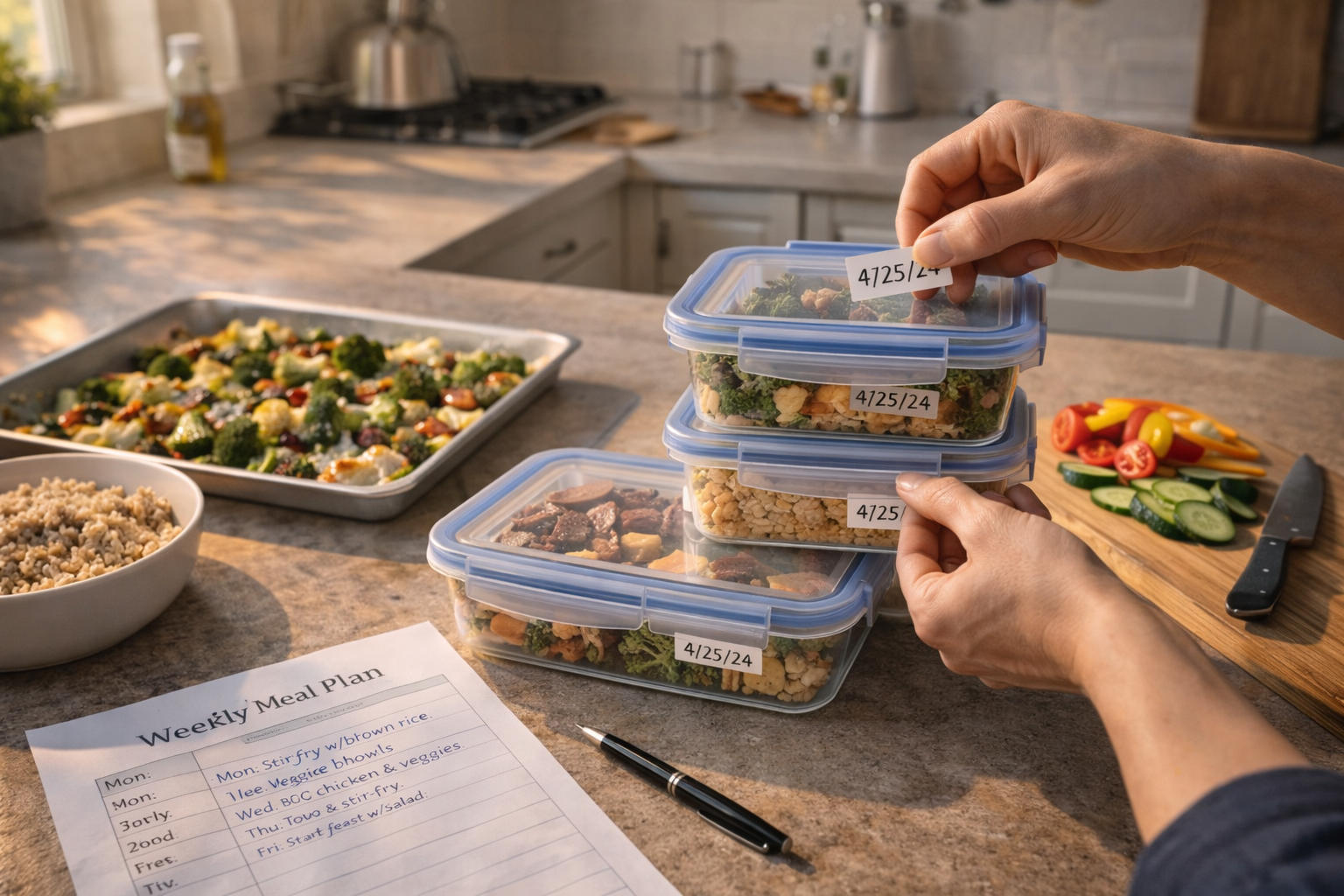
Batch chopping vegetables, pre-cooking grains, and marinating proteins in advance shortens evening cook time significantly. Use space-efficient methods like roasting mixed vegetables together or cooking full trays of protein to portion later. Keep a sharp set of knives and quality containers on hand to make prep safer and faster. Technology such as a reliable food processor or a programmable appliance can also streamline repetitive tasks. Label prep batches clearly to avoid confusion during the week.
Investing a little time on one afternoon multiplies convenience across the week. Prepped components make assembling balanced meals nearly effortless. Keep a short list of quick finishing steps to reclaim extra minutes.
Smart Storage and Reheating Tips
Proper storage preserves texture and flavor so meals still taste great when reheated. Cool foods quickly, store them in shallow airtight containers, and label items with dates to maintain clarity in the refrigerator. When reheating, add a splash of liquid or a quick toss in a hot pan to restore moisture and crispness. Learning simple reheating techniques prevents soggy vegetables or dry proteins. Separate sauces or dressings to prevent sogginess and to preserve brightness.
Good storage practices reduce waste and help you rely on prepped meals confidently. The result is less nightly prep and more enjoyable dinners. Rotate older items forward so nothing goes unused.
Conclusion
Consistent weeknight cooking relies on planning, targeted prep, and thoughtful storage. These three pillars free up time, reduce stress, and improve meal quality through the week. Start small, refine routines, and your evenings will feel more manageable and satisfying.

