
Small, repeatable habits in the kitchen change how you cook more than dramatic overhauls. Adopting a few reliable routines reduces stress, shortens prep time, and cuts food waste without requiring special equipment. This article lays out practical steps you can use tonight and refine over weeks. Each idea focuses on consistency and efficiency so your weeknight meals feel calmer and more enjoyable.
Plan Your Workflow Before You Start
Begin by scanning recipes and ingredients and visualizing the sequence of tasks rather than diving straight into cooking. Decide what can be prepped in parallel, which pots will be used, and what should be started first to maximize overlapping time. A simple checklist with three priorities—protein, vegetable, starch—helps steer decisions during busy evenings. Planning reduces pauses and the impulse to order takeout because something takes longer than expected.
Close by keeping a running dinner list on your phone or a small notepad. Updating it weekly turns planning into a low-effort habit that saves time when it matters most.
Streamline Pantry and Prep Habits
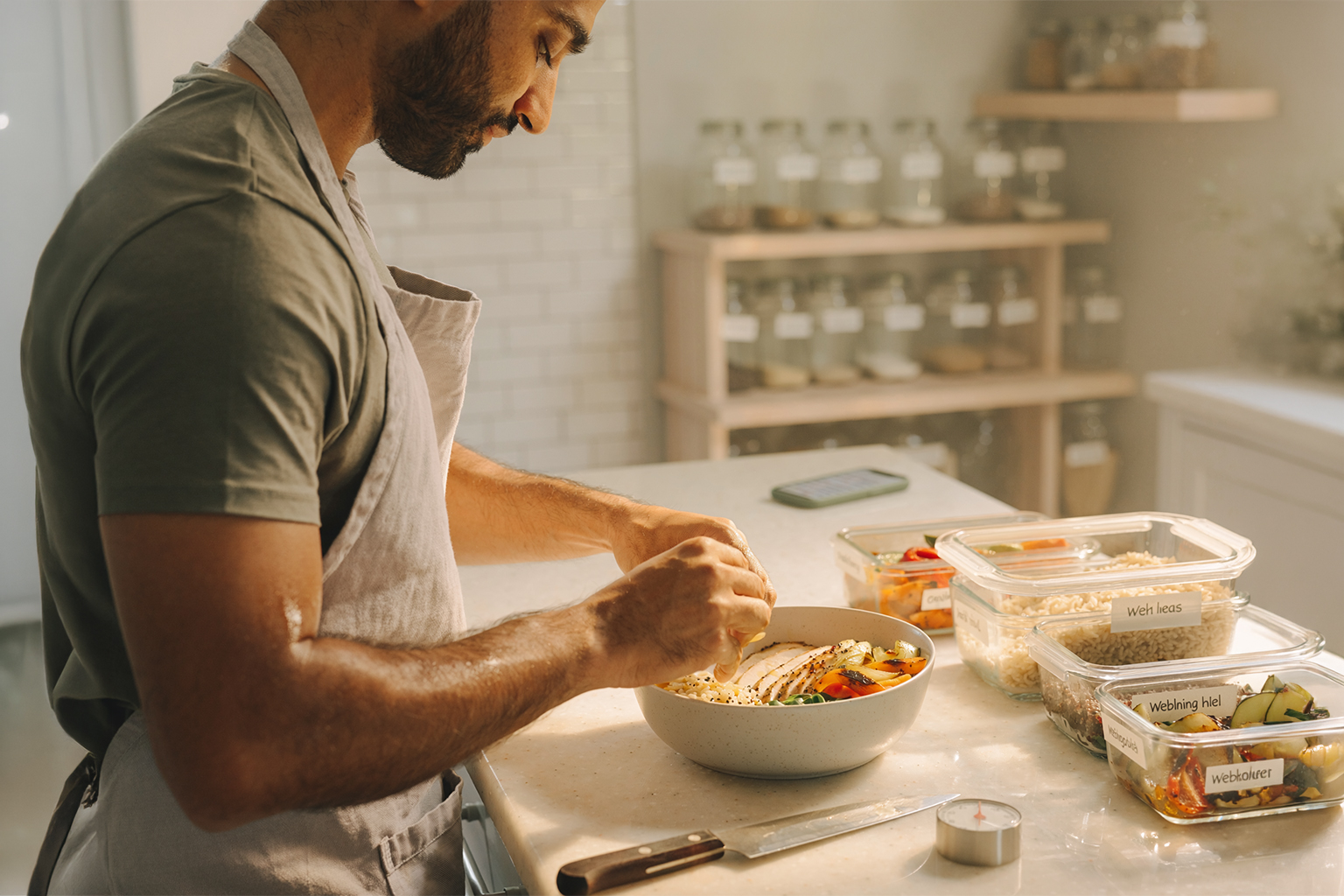
Organize frequently used staples within easy reach and label containers so you can identify items at a glance. Maintain a short master shopping list for essentials that run out first, and restock during a single weekly trip to avoid midweek shortages. Pre-wash and chop hardy vegetables after shopping so they are ready to toss into a pan or salad when needed. These small investments in prep time pay back every night.
In the long term, an organized pantry prevents duplicate purchases and reduces expired food, which saves both money and time.
Use Small Tools and Smart Timing
Choose a few versatile tools—a sharp knife, a reliable pan, and a timer—and use them consistently instead of buying many gadgets you rarely touch. Embrace techniques that build momentum: start water for pasta early, preheat pans while chopping, and use residual heat to finish dishes. Timers and alarms are simple but powerful; they keep multiple elements synchronized without constant checking. Over time these timing habits become second nature and dramatically speed up dinner service.
Small adjustments to when you start tasks often yield the biggest reductions in active cooking time.
Make Leftovers Work for You
Think of leftovers as planned components rather than afterthoughts by intentionally cooking slightly more of staples like grains, roasted vegetables, or proteins. Repurpose those components into new meals: a roast becomes tacos, roasted veg turns into a bowl, and grains can be a quick fried rice. Label and date containers so you use ingredients in order and reduce spoilage. Treating leftovers as building blocks multiplies the value of every minute spent cooking.
With consistent habits around prep, pantry, timing, and leftovers, weeknight cooking becomes faster, less wasteful, and more satisfying.
Conclusion
Adopting a few simple kitchen practices saves time and reduces waste without dramatic changes. Consistency in planning, prep, and timing compounds quickly into easier weeknight meals. Start small and let habits grow into a smoother cooking routine.

