
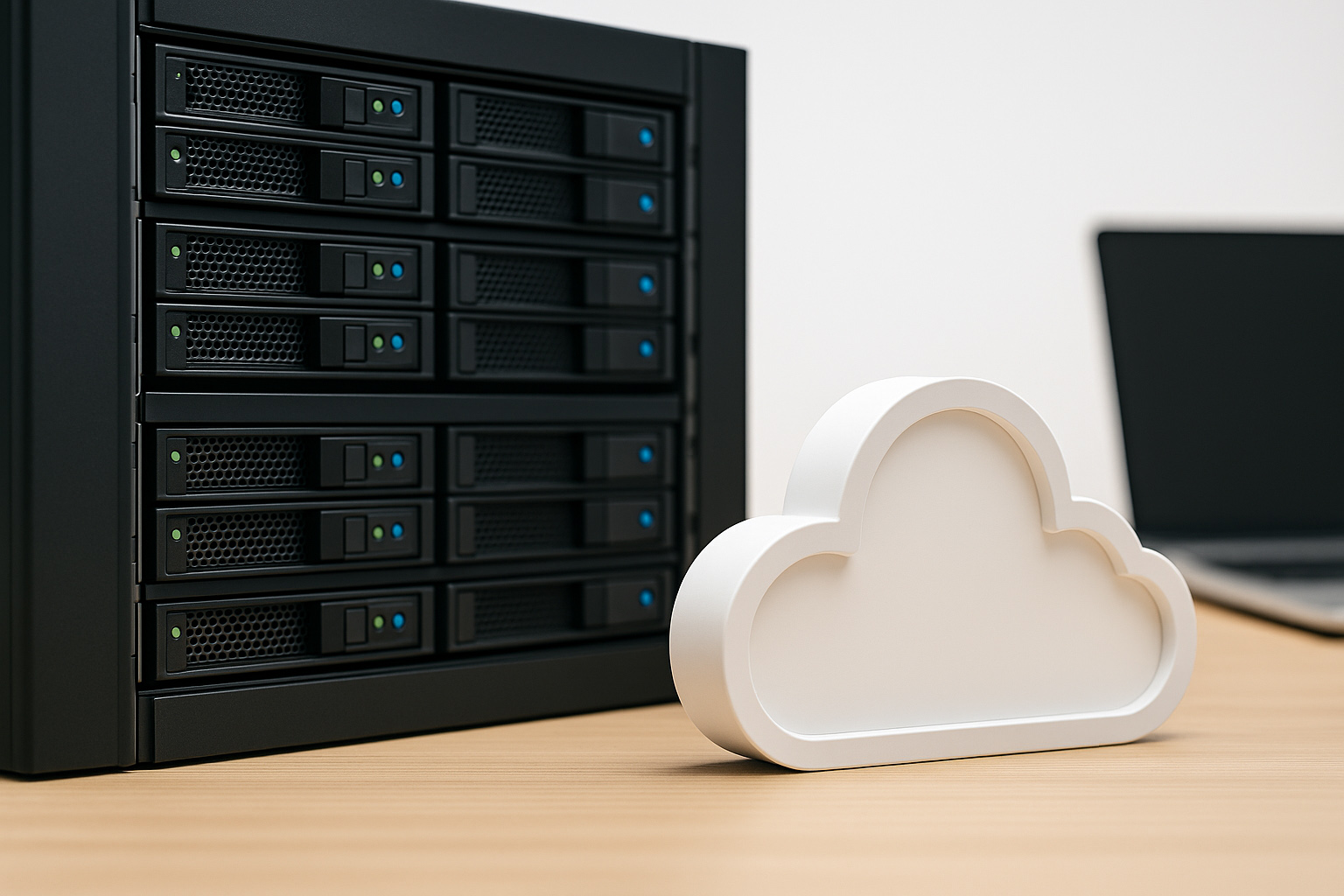
As businesses generate and store massive amounts of information, the concept of data gravity has become a critical factor in cloud migration strategies. Data gravity refers to the tendency of large data sets to attract applications, services, and other data toward them — much like gravity in physics. Understanding this concept helps organizations make smarter decisions about where to host their workloads and how to balance cost, speed, and security in the cloud.
What Is Data Gravity?
Data gravity describes the phenomenon where the larger a dataset becomes, the more difficult and expensive it is to move. Just like physical gravity pulls objects closer, large volumes of data attract computing power, analytics tools, and applications that rely on them. As organizations accumulate more data in one place, it becomes increasingly efficient — and sometimes necessary — to keep related systems nearby.
The Challenge in Cloud Migration
When companies migrate to the cloud, data gravity becomes a major consideration. Moving massive datasets between cloud providers or from on-premises storage can cause latency issues, compliance risks, and high transfer costs. Once data reaches a certain size, moving it isn’t just about bandwidth — it’s about ecosystem alignment. Businesses must decide whether to bring the data to the applications or move the applications closer to the data.
Strategic Approaches to Manage Data Gravity
To mitigate data gravity challenges, organizations are adopting hybrid and multi-cloud architectures. By strategically placing workloads across different environments, they can optimize performance while minimizing latency. Edge computing also helps by processing data closer to where it’s generated, reducing the need for large-scale transfers.
Another strategy involves data federation and virtualization, allowing businesses to access and analyze data across multiple locations without physically moving it. These approaches maintain flexibility and agility while controlling costs.
Why Data Gravity Matters
Ignoring data gravity can lead to operational inefficiencies and vendor lock-in. Understanding where your data “lives” — and how it interacts with your systems — allows for better planning, improved performance, and smarter cloud investments. As digital transformation accelerates, managing data gravity is essential to maintaining agility and innovation.
Conclusion
Data gravity is reshaping how organizations approach cloud migration and infrastructure design. By acknowledging its pull, businesses can craft strategies that optimize speed, cost, and compliance. In the era of big data, success lies not in resisting gravity — but in learning to work with its force.

