
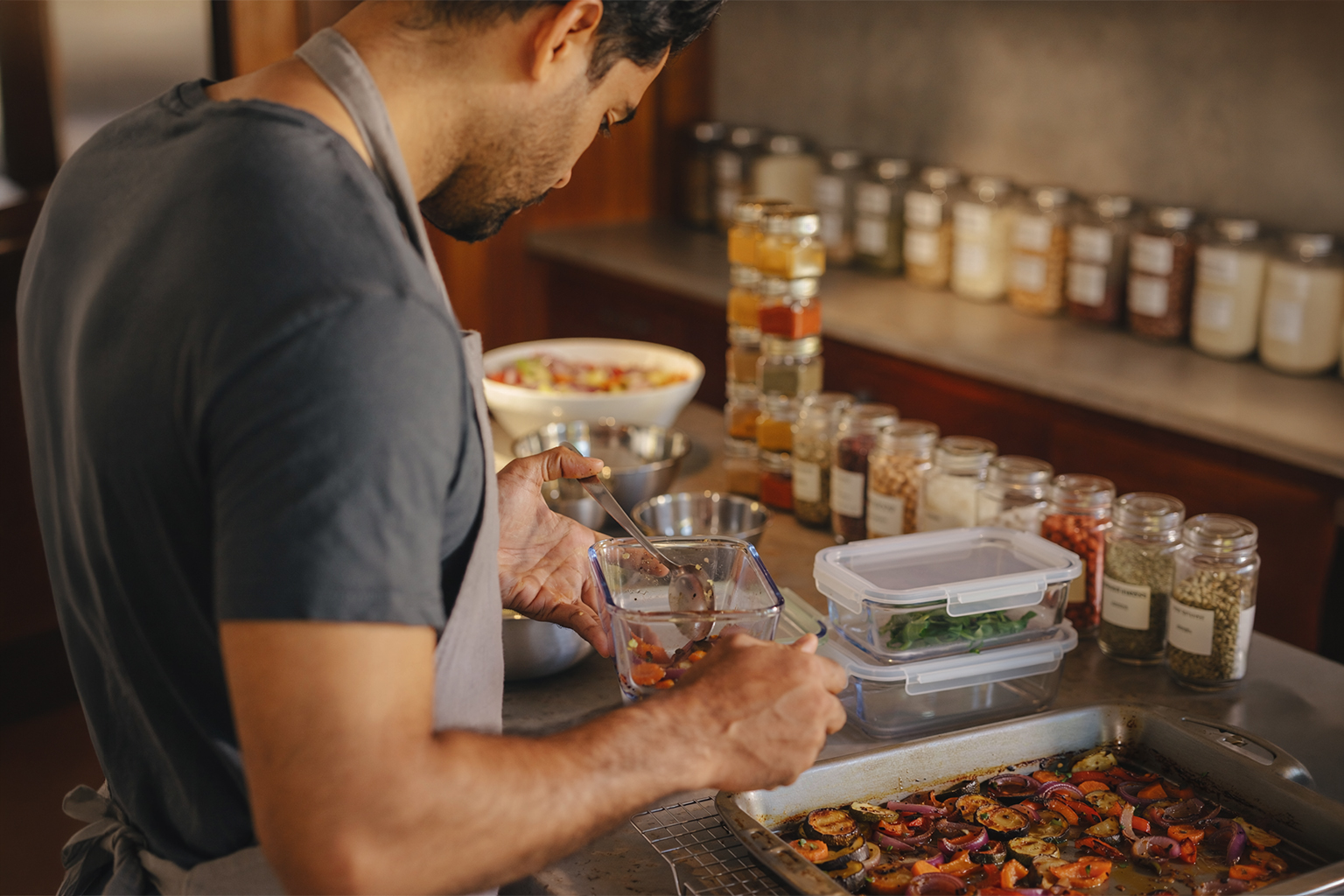
Consistent, low-stress weeknight cooking starts with a few deliberate habits you actually follow. Small, repeatable rituals reduce decision fatigue and make each meal easier to assemble. Over time these practices save time, reduce waste, and improve the variety and quality of what you eat. This article outlines approachable steps to organize your time, space, and ingredients for better evenings in the kitchen.
Assess Your Current Routine
Begin by tracking one week of meal prep habits to find the most time-consuming or chaotic moments. Note when you decide menus, shop, and prep, and observe where bottlenecks repeat. Comparing actual behavior to your ideal routine reveals realistic changes that stick. This assessment helps prioritize small adjustments with big impact.
Use simple questions to guide changes: What tasks drain time? What could be grouped or moved earlier in the day? Answering those helps convert vague goals into concrete actions.
Zone Your Workspace
Organize the kitchen into functional zones: prep, cooking, plating, and storage. Keep frequently used tools and ingredients within arm’s reach of their primary zone to avoid walking back and forth. A clear workstation speeds every meal and reduces cleanup time because items have designated places. Lighting and a consistent layout also keep focus during busy moments.
Start with the one zone that frustrates you most and make a quick improvement. Small changes tend to encourage more organization over time.
Batch Tasks and Timing
Batch similar tasks like chopping vegetables or cooking staples to reduce setup and cleanup. Cook grains, roast a tray of vegetables, or prepare a sauce in larger quantities to repurpose across meals. Time-block short, focused intervals for different tasks rather than trying to multitask constantly. This approach creates momentum and prevents lingering tasks from derailing dinner.
Plan a weekly rhythm that fits your schedule, then tune it based on what you actually use. Consistency lowers the mental load of meal decisions.
Tools and Ingredients That Save Time
Select multipurpose tools and keep a curated list of pantry staples that combine well across many dishes. Items like a reliable skillet, a sharp knife, and a few versatile condiments unlock more meals without extra effort. Maintain a short grocery list of fresh and shelf-stable ingredients that rotate through your weekly plans. These choices let you assemble satisfying meals from a compact set of options.
Invest in small upgrades gradually and prioritize durability and ease of cleaning. Practical tools end up saving time and reducing frustration.
Conclusion
Adopting a few repeatable rituals makes weeknight cooking smoother and more enjoyable. Start with one small change, build a simple routine, and refine it as you go. Over time those habits compound into a dependable, efficient approach to home cooking.
