
Small, repeatable habits in the kitchen make a big difference over time.
They reduce stress ahead of dinner and help meals feel more deliberate.
Adopting a few practical systems improves speed without sacrificing quality.
This article focuses on approachable strategies you can apply tonight.
These ideas suit cooks with limited time and varying skill levels.
They emphasize consistency, not perfection, so you can build momentum.
Read on for concrete adjustments to planning, tools, and pantry care.
Plan with a Flexible Weekly Framework
Design a weekly plan that balances predictability and variety. Start by choosing two protein methods and three vegetable preparations you enjoy, then mix and match across nights. Block a single shopping trip and a short prep session that covers multiple recipes. A flexible framework removes the daily decision bottleneck and helps you shop with purpose.
Keep the plan adaptable to impulse buys and seasonal produce. Swap components rather than entire recipes so you can respond to schedule changes. Over time, the framework shortens planning time and increases meal success.
Optimize Tools and Mise en Place
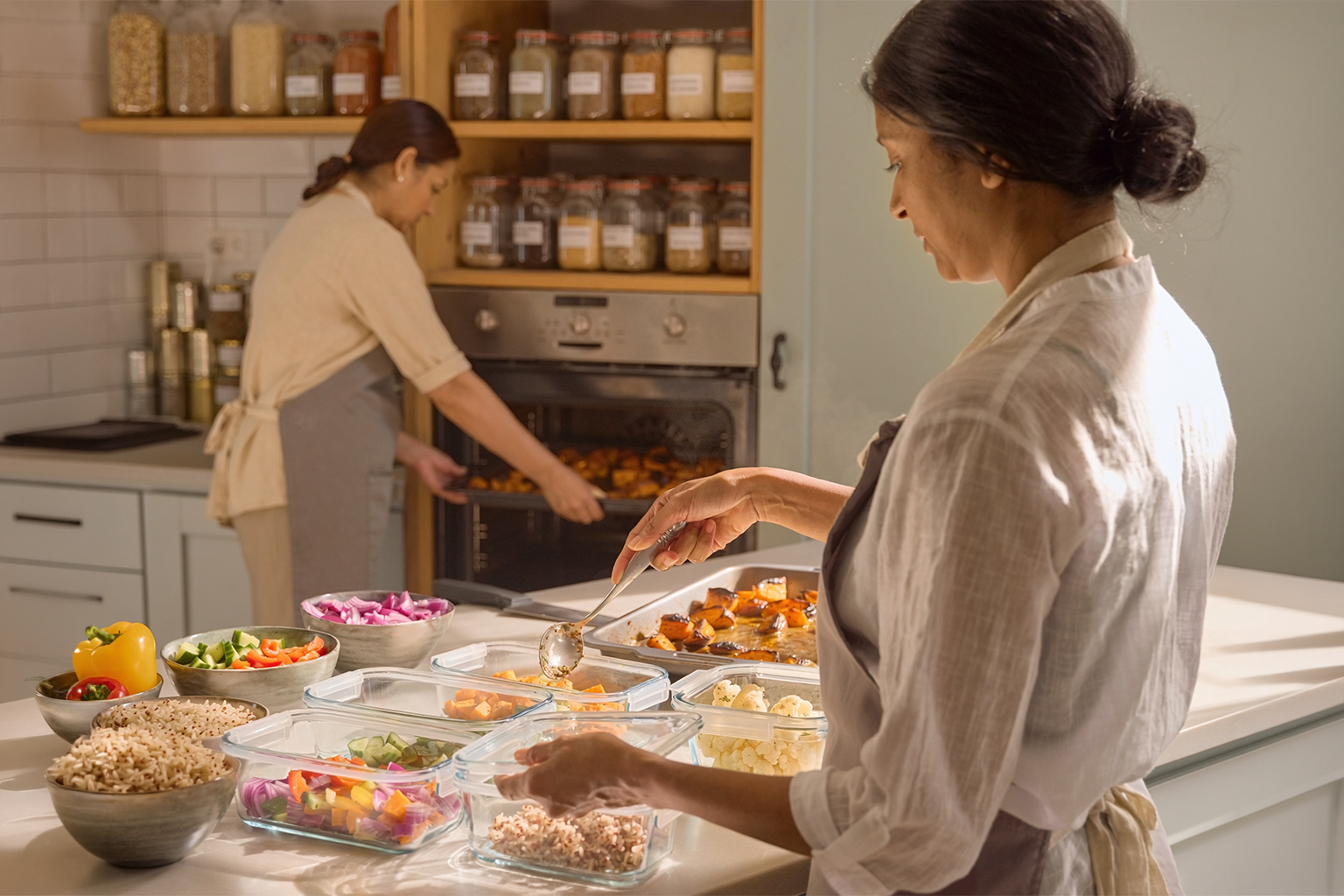
Prioritize a few versatile tools that speed common tasks: a good knife, a reliable sheet pan, and quality storage containers. Set up a mise en place habit: wash, chop, and portion ingredients before you start cooking. This small discipline prevents last-minute scrambling and improves timing. Clear counters and organized tools also make cleanup faster.
Invest a little time once to learn efficient knife skills and container systems. These skills return time every week and reduce frustration on busy evenings. Consistency here creates an easier, more satisfying cooking rhythm.
Smart Pantry and Ingredient Rotation
Keep a compact, well-stocked pantry of multipurpose ingredients that support quick meals. Staples like canned tomatoes, beans, grains, flavored oils, and a few spices unlock many dishes. Store items so you can visually scan them and rotate older products forward. Regularly review what you use and remove items that don’t get used.
- Keep a rotate-and-replace habit for perishables.
- Designate a shelf for quick-cook ingredients.
- Use accents like preserved lemons or chili oil for flavor boosts.
Small adjustments to pantry strategy reduce waste and speed decision-making. A functional pantry makes improvisation simpler when plans change.
Time-saving Techniques for Busy Nights
Use batch cooking, one-pan meals, and quick sauces to shorten hands-on time. Re-purpose leftovers creatively instead of forcing new recipes every night. Embrace semi-prepared items strategically, such as pre-washed greens or roasted vegetables from the oven. Time-saving techniques help you deliver satisfying meals even on hectic days.
Adopt one new technique each week to keep changes manageable. Over time, these methods compound into substantial time savings and more enjoyable dinners.
Conclusion
Adopt a flexible plan, streamline tools and prep, and maintain a practical pantry.
Apply small habits consistently to reduce stress and increase variety.
These changes make weeknight cooking faster, more reliable, and more enjoyable.
