
Cooking consistently good meals doesn’t require a professional kitchen or elaborate techniques. Small systems and consistent habits reduce decision fatigue and save time without sacrificing flavor. This article outlines practical approaches to planning, equipment, and finishing that fit a busy lifestyle. Implementing just a few changes can make weekly cooking more enjoyable and reliable.
Plan and Prep: Mise en Place
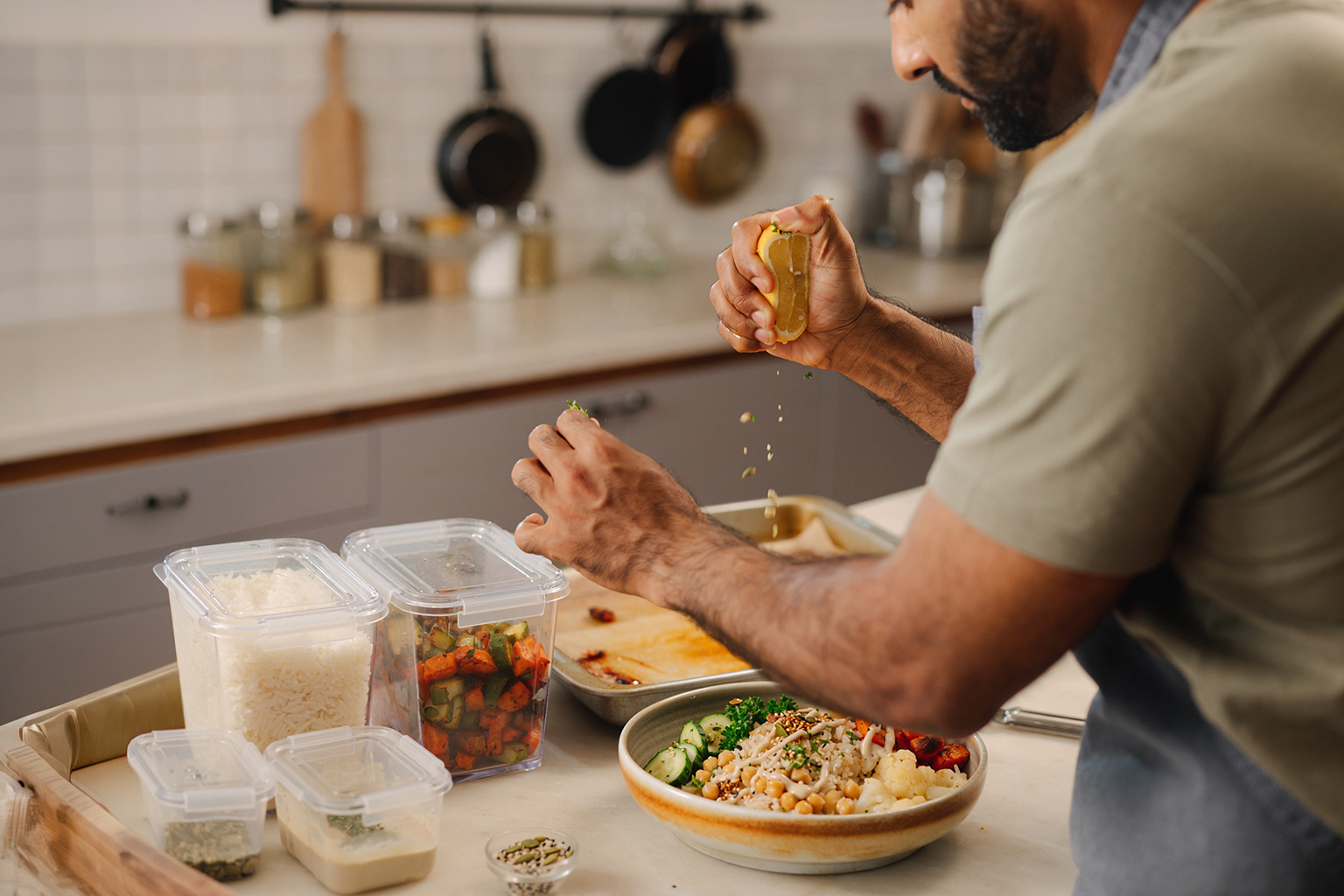
Start with a brief plan for the week to guide shopping and reduce wasted ingredients. Prepping components—washing, chopping, and measuring—before you cook makes execution faster and less stressful. Use simple templates like a grain + vegetable + protein rotation to keep meals balanced and varied without complicated recipes. When ingredients are ready, the actual cooking becomes a sequence of clear, manageable steps.
- Batch-cook staples like rice, roasted vegetables, and sauces.
- Store prepped components in clear containers for quick assembly.
- Keep a running shopping list organized by store area.
These small prep habits save time on busy evenings and reduce reliance on takeout. Over time they become part of a dependable cooking rhythm.
Equipment, Storage, and Time Management
Choose a few versatile tools that suit your style, such as a reliable skillet, a sheet pan, and a good knife, rather than an array of single-use gadgets. Efficient storage—clear containers and labeled shelves—helps you see what you have and plan meals around available ingredients. Adopt time-saving techniques like one-pan meals and sheet-pan roasting to minimize cleanup and maximize flavor. Managing a cooking schedule with 30- to 45-minute dinner blocks keeps preparation realistic and predictable.
Investing in organization and a small set of multi-use tools pays off by simplifying decisions. Time management is less about rushing and more about structuring effort where it counts.
Flavor, Texture, and Finishing Touches
Focus on a few reliable ways to boost flavor: seasoning at multiple stages, using acid to brighten a dish, and adding a crunchy element for texture. Simple finishes—fresh herbs, a squeeze of citrus, or a drizzle of good oil—can transform leftovers into a vibrant meal. Taste as you go and adjust salt, acid, and heat rather than following steps blindly; seasoning is the most effective lever for improving a dish. Learning to balance tastes will make even modest ingredients sing.
- Keep staples like vinegar, citrus, and a jar of toasted seeds.
- Finish with texture: toasted nuts, breadcrumbs, or crisp greens.
Small finishing touches require little time but deliver noticeable improvements. They create contrast and freshness that make home cooking feel elevated.
Conclusion
Adopting simple systems—planning, purposeful tools, and mindful finishing—reduces effort and raises the quality of everyday meals. Start with one habit, such as weekly prep or a reliable set of tools, and build from there. Over weeks you’ll find cooking becomes easier, more creative, and consistently satisfying.
