
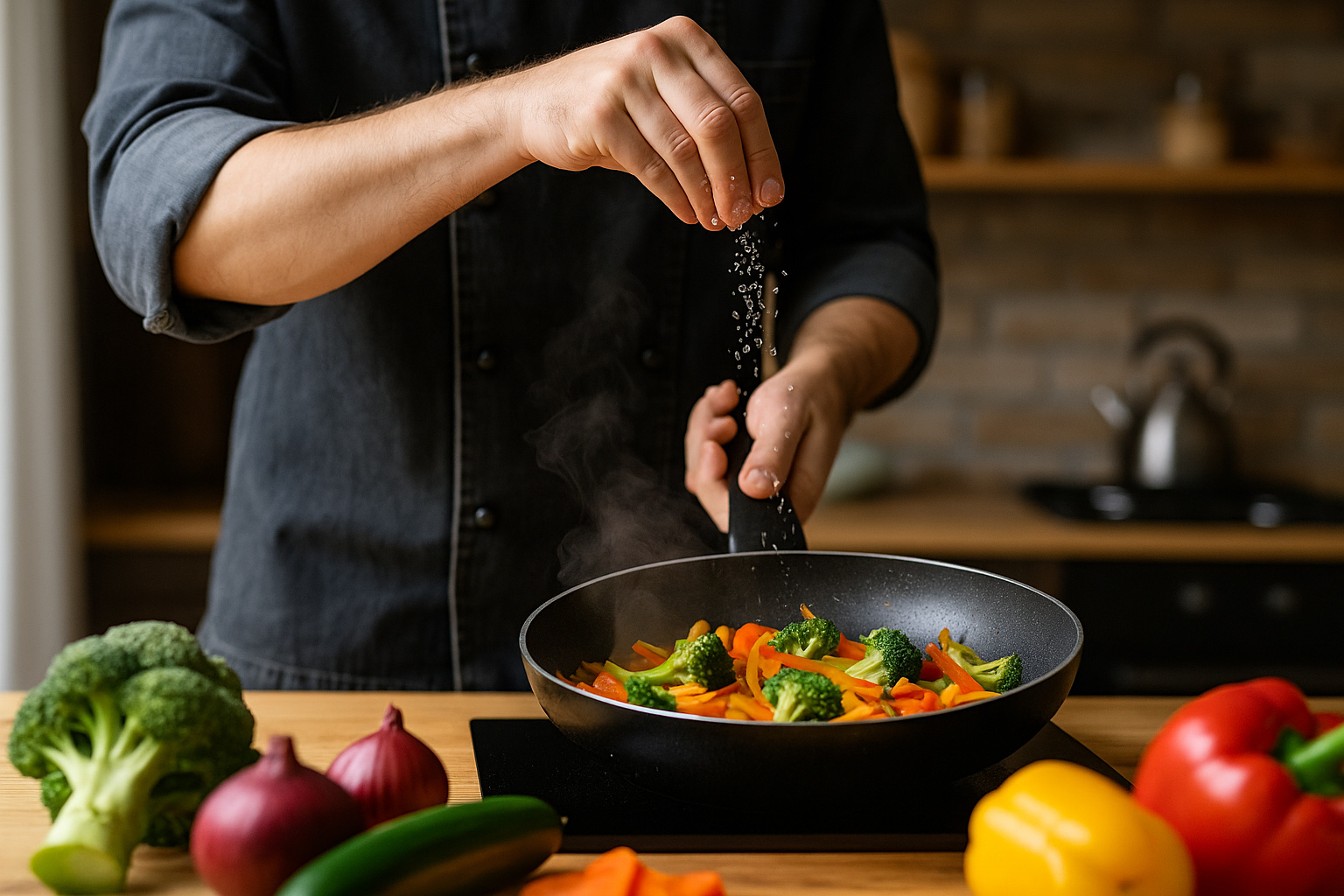
Great cooking isn’t just about flavor—it’s an experience shaped by all five senses. When sight, smell, touch, sound, and taste come together, food becomes richer, more memorable, and deeply satisfying. Five-sense cooking encourages home cooks and chefs to intentionally engage every sense to elevate their dishes. By treating meals as multi-sensory creations, anyone can transform simple ingredients into unforgettable culinary moments.
Sight: Making Food Visually Exciting
The way a dish looks influences expectations before the first bite. Colors, plating, and contrast all play powerful roles. Fresh herbs, vibrant vegetables, and thoughtful presentation make meals more appetizing. Even small touches—like a drizzle of sauce or a sprinkle of texture—can signal freshness and enhance anticipation. A visually appealing plate sets the stage for a delicious experience.
Smell: Building Flavor Through Aromas
Aromas are often the first sensory signal of great cooking. Sautéing garlic, toasting spices, or simmering herbs activate deep emotional responses. Smell carries much of what we perceive as flavor, making it essential for creating rich dishes. Developing aromatic layers by cooking ingredients in stages helps build depth and warmth that stay with each bite.
Touch: Texture That Brings Dishes to Life
Crunchy, creamy, crispy, soft texture creates contrast and excitement. Five-sense cooking embraces the idea that every bite should feel interesting. Techniques like searing, slow cooking, charring, and whipping help achieve the right mouthfeel. Balancing textures keeps dishes from feeling flat and makes each forkful satisfying and dynamic.
Sound: The Hidden Ingredient
Crackling, sizzling, chopping, these sounds signal freshness and energy in the kitchen. They also enhance the dining experience. A sizzling skillet builds anticipation, while the crisp snap of a crust brings joy. Even subtle sounds, like the pour of a sauce or the crunch of vegetables, help connect eaters to the dish in a deeper way.
Taste: The Final Sensory Harmony
Taste ties the five senses together through balance—sweet, salty, sour, bitter, and umami. Mastering taste involves adjusting seasoning gradually and layering flavors intentionally. Adding acidity for brightness or umami for richness helps bring harmony to the plate. When taste aligns with sight, smell, sound, and texture, the experience becomes complete.
Conclusion
Five-sense cooking transforms everyday meals into sensory experiences. By engaging in sight, smell, touch, sound, and taste, anyone can elevate their dishes and enjoy cooking more deeply. When all senses work together, food becomes not just nourishment but a moment to savor.
