
Creating a pantry that supports everyday cooking saves time and reduces stress. A thoughtful layout and consistent habits make meal planning simpler. Small changes in storage and labeling can elevate how you use ingredients. This guide explains practical steps to build a smarter, more efficient pantry.
Organize with Purpose
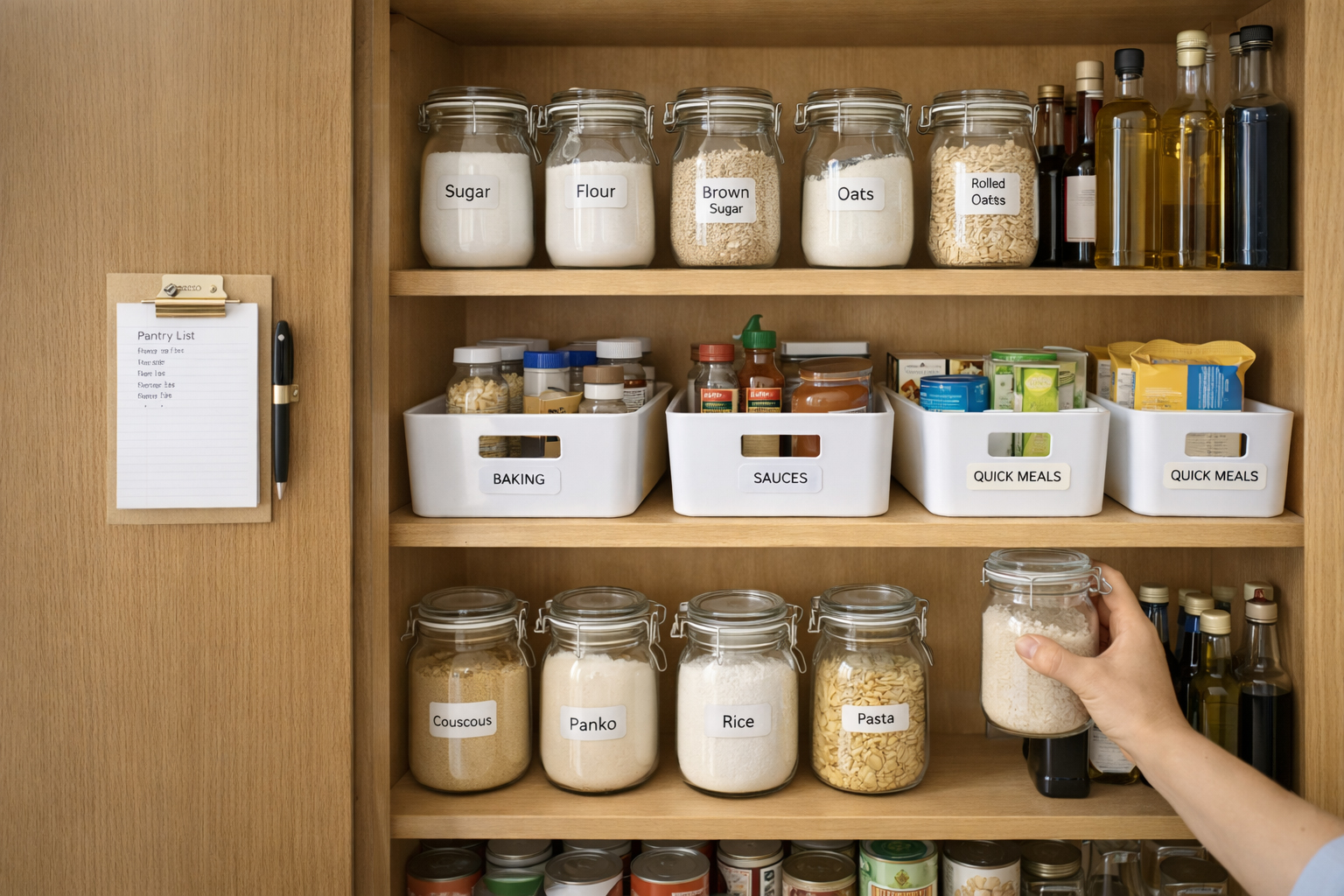
Start by assessing how you cook and which ingredients you use most often. Group items by function rather than by category: baking, quick meals, sauces, and snacks, for example. Keep frequently used items at eye level and heavier containers on lower shelves to reduce strain. A clear organizational scheme makes it easy to see what you have and what you need.
Use uniform containers when possible to conserve space and allow for clear labeling. Transparent jars and stackable bins help you identify contents at a glance. Rotate stock so older items are used first, preventing waste and saving money.
Stock Smart Staples
Prioritize versatile ingredients that support many recipes so you can improvise meals without extra shopping. Aim for a balance of dry goods, canned items, oils, and spices that reflect your cooking style. Periodically review expiration dates and replace single-use items with multi-purpose alternatives. Investing in quality basics reduces the impulse to buy specialty items that complicate the pantry.
- Dry goods: rice, pasta, legumes, and flours.
- Canned goods: tomatoes, beans, and broths.
- Condiments and oils: vinegar, olive oil, and soy sauce.
Label shelves or containers with categories and suggested uses to speed meal prep. Keep a running shopping list near the pantry to capture items as you run out.
Maintain Freshness and Reduce Waste
Proper storage extends shelf life and maintains flavor, so pay attention to temperature and humidity. Store spices in a cool, dark place and transfer bulk grains to airtight containers to prevent pests. For perishable items, create a designated area in the refrigerator or a cool pantry shelf to slow spoilage. Regularly inspect your pantry for signs of moisture or pests and address issues promptly.
- Use clear rotation: move older items forward when restocking.
- Freeze portioned staples like stocks or surplus bread.
- Repurpose near-expiry foods in soups, stir-fries, or casseroles.
Small routines, such as weekly checks and mindful shopping, keep the pantry functional and sustainable. Reduced waste and faster prep time are immediate benefits of these habits.
Conclusion
A smarter pantry starts with intentional organization and versatile staples. Consistent routines around storage and rotation preserve freshness and cut waste. Implement these practical steps to make everyday cooking easier and more enjoyable.

