
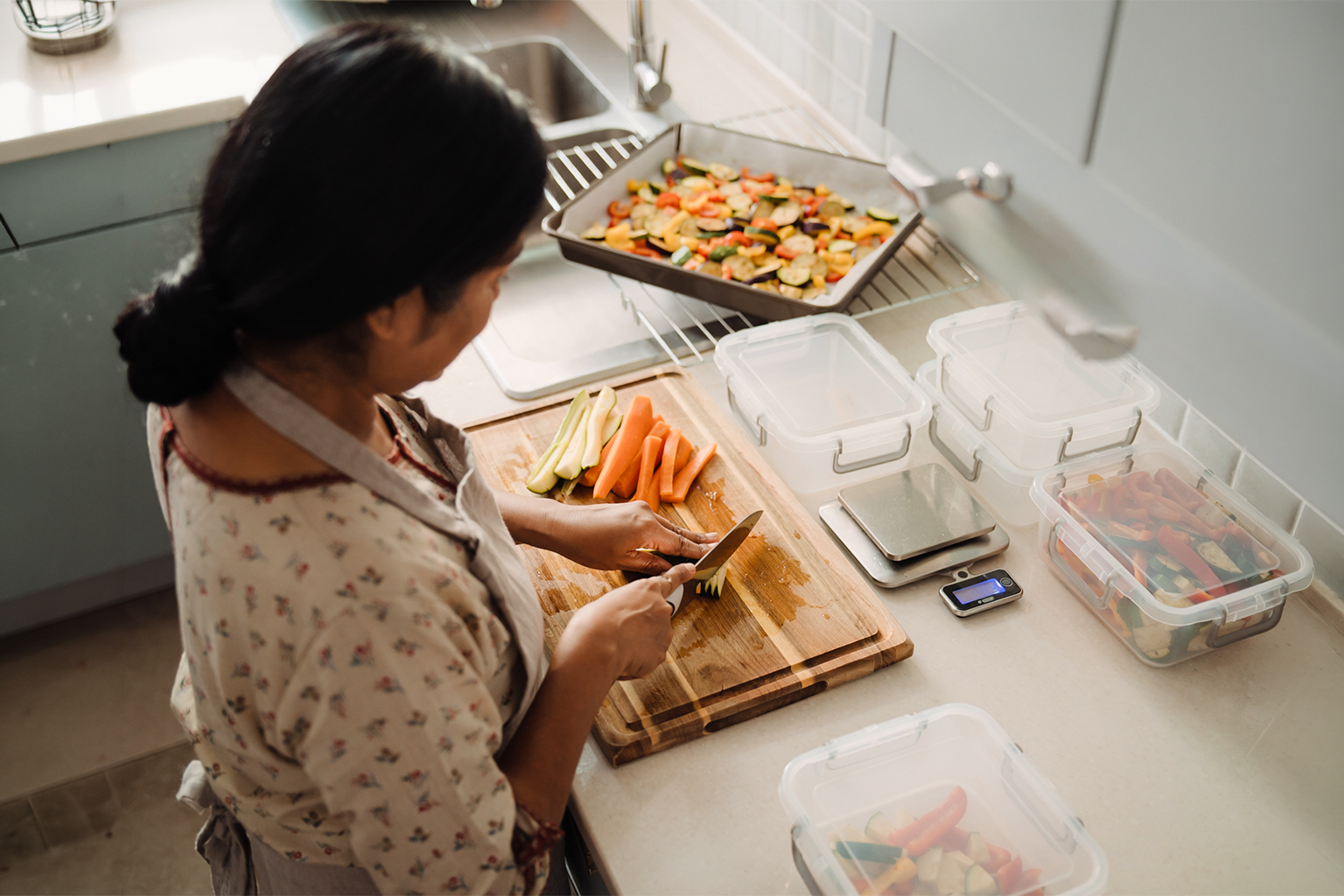
Small, sustainable habits in the kitchen transform routine cooking into an efficient, enjoyable practice. Rather than chasing elaborate recipes, these habits focus on planning, technique, and smart organization. They save time, reduce waste, and improve the consistency of results. This article outlines practical steps you can adopt right away.
Plan and Prep Efficiently
Successful meals begin before the pan is hot: plan menus for the week, shop with purpose, and prep ingredients in batches. Chop vegetables, measure spices, and portion proteins so weekday cooking becomes a series of simple assembly steps. Time invested in prep reduces decision fatigue and encourages healthier choices when evenings are busy. Batch cooking staples like grains, roasted vegetables, or sauces accelerates meal assembly throughout the week.
Start with one day of prep and adjust what you can realistically maintain. Small, consistent effort compounds into big time savings.
Invest in a Few Versatile Tools
You don’t need every gadget, but a handful of reliable tools improves outcomes and enjoyment. A sharp chef’s knife, a sturdy pan, an accurate digital scale, and airtight containers cover most home cooking needs. Quality over quantity means tools last longer and perform better, which simplifies technique and boosts confidence. Choose items that feel comfortable in hand and match your cooking style.
Replace or upgrade one tool at a time to spread cost. Proper care extends life and performance.
Use Techniques That Build Flavor
Understanding a few fundamental techniques is more valuable than memorizing recipes. Master searing for caramelization, deglazing to capture pan fond, seasoning progressively, and balancing acid and fat to brighten dishes. Each technique multiplies the impact of everyday ingredients and allows improvisation without sacrificing taste. Learning these skills increases your ability to adapt recipes with confidence.
Practice them with simple recipes to reinforce habits. Over time these techniques become intuitive parts of your routine.
Keep Cleanliness and Organization
A clean, well-organized kitchen streamlines cooking and improves safety. Maintain clear workspaces, wash tools as you go, and store ingredients logically so they are easy to find. Regularly purge expired items and label leftovers to reduce waste and confusion. Small systems make busy nights far less stressful.
Set a five-minute end-of-day cleanup habit to preserve order. Consistency keeps your kitchen ready for spontaneous cooking.
Conclusion
Adopting practical kitchen habits yields better food, less stress, and more time. Start with one change, build it into a routine, and add another when it feels natural. Over weeks and months these small choices create a more capable and enjoyable cooking life.
