
Meal planning transforms hectic evenings into calmer, more satisfying routines.
With a few reliable strategies you can significantly cut active cooking time, reduce food waste, and improve variety.
This short guide outlines practical steps that suit limited schedules and different skill levels.
Follow these approaches to build a weekly rhythm that makes cooking feel achievable and enjoyable.
Plan with Purpose
Start by setting realistic goals for the week: how many nights you will cook, which meals require leftovers, and which days are flexible.
Choose a handful of versatile proteins and a rotating set of vegetables so shopping and prep become predictable rather than overwhelming.
Theme nights, such as grain bowls, pasta, or sheet-pan dinners, simplify decision-making and reduce ingredient lists.
By planning around simple frameworks, you limit last-minute choices and make efficient use of both pantry staples and fresh produce.
Translate planning into a short, specific shopping list that reflects meals and snacks for the week.
Include quantities and preferred preparations to avoid impulse buys and forgotten items.
Keep the list on your phone or by the door so it becomes a seamless part of your routine.
Maximize Ingredients and Reduce Waste
Look for ingredients that play well across several dishes: roasted vegetables can become salad toppings, lunches, or soup components.
Repurpose leftovers intentionally by turning roasted meat into tacos, salads, or fried rice, extending its value.
Proper storage extends shelf life and reduces spoilage; use clear containers and label dates for rotation.
Tracking what you use and what gets wasted helps refine future shopping and reduces unnecessary purchases.
Batch-cook small portions of grains and proteins so components are ready when you are.
Freeze single-serving meals or components in labeled containers to avoid ordering takeout on busy days.
Regularly scan your fridge before shopping to prioritize items that need to be used first.
Streamline Prep and Storage
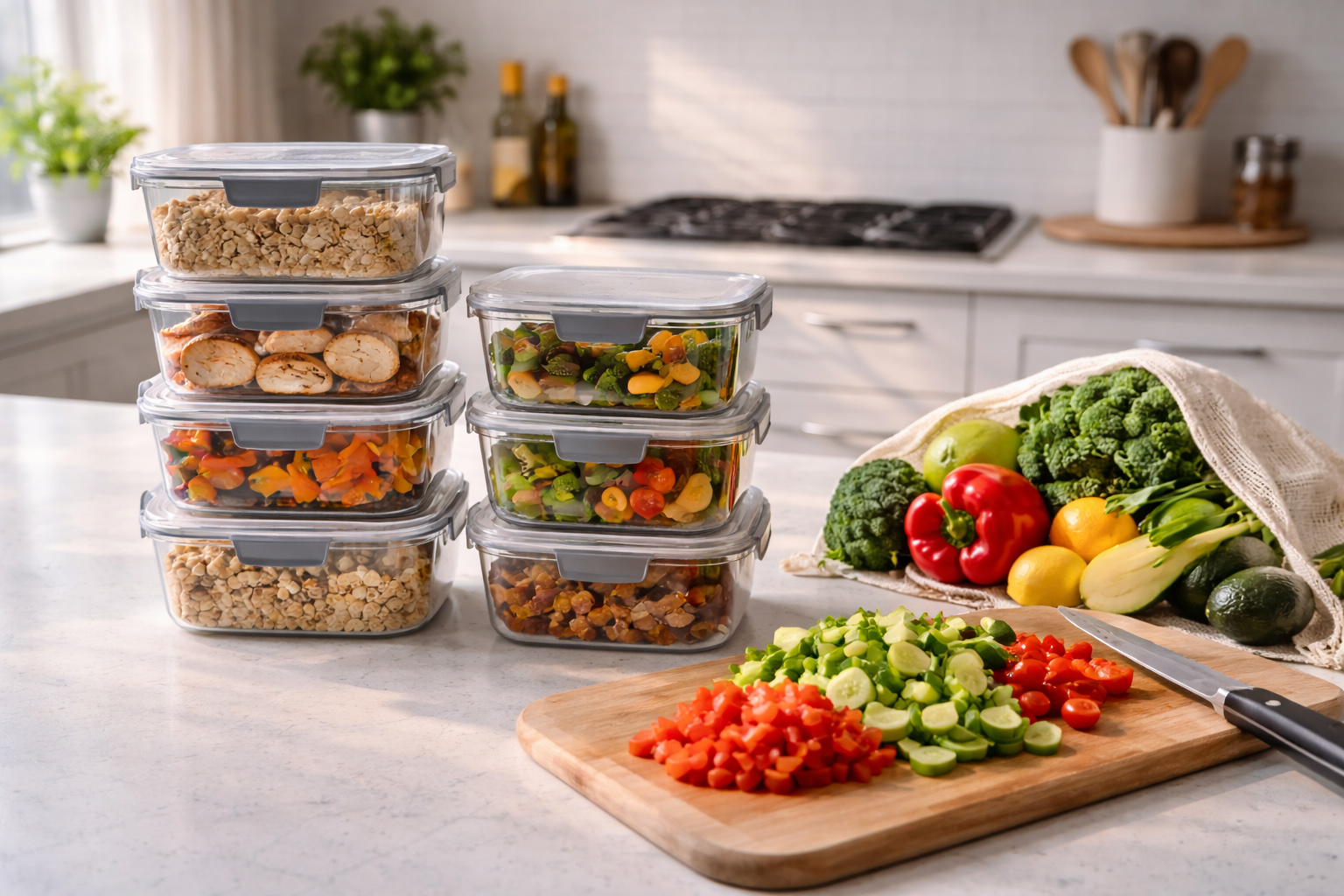
Adopt a consistent mise en place: wash and chop vegetables, portion proteins, and measure staples ahead of time.
Invest in a few reliable containers that stack and seal well so leftovers stay fresh and storage is efficient.
Use simple labeling with dates to keep track of what’s ready to eat versus what still needs reheating or finishing.
Small tools like a sharp chef’s knife, a cutting board with a bowl, and good-quality airtight containers will pay dividends in speed and consistency.
Schedule one or two longer prep sessions each week to clear the busiest nights.
Keep frequently used sauces and dressings on hand to add flavor quickly.
Gradually refine the routine so it fits your household’s rhythm and reduces daily decision fatigue.
Conclusion
Small, consistent changes to planning and preparation yield meaningful time savings and better meals.
Experiment with rhythms and techniques until you find a practical weekly groove that suits your lifestyle.
Over time these habits free up energy for cooking that feels less like a chore and more like a creative routine.

