
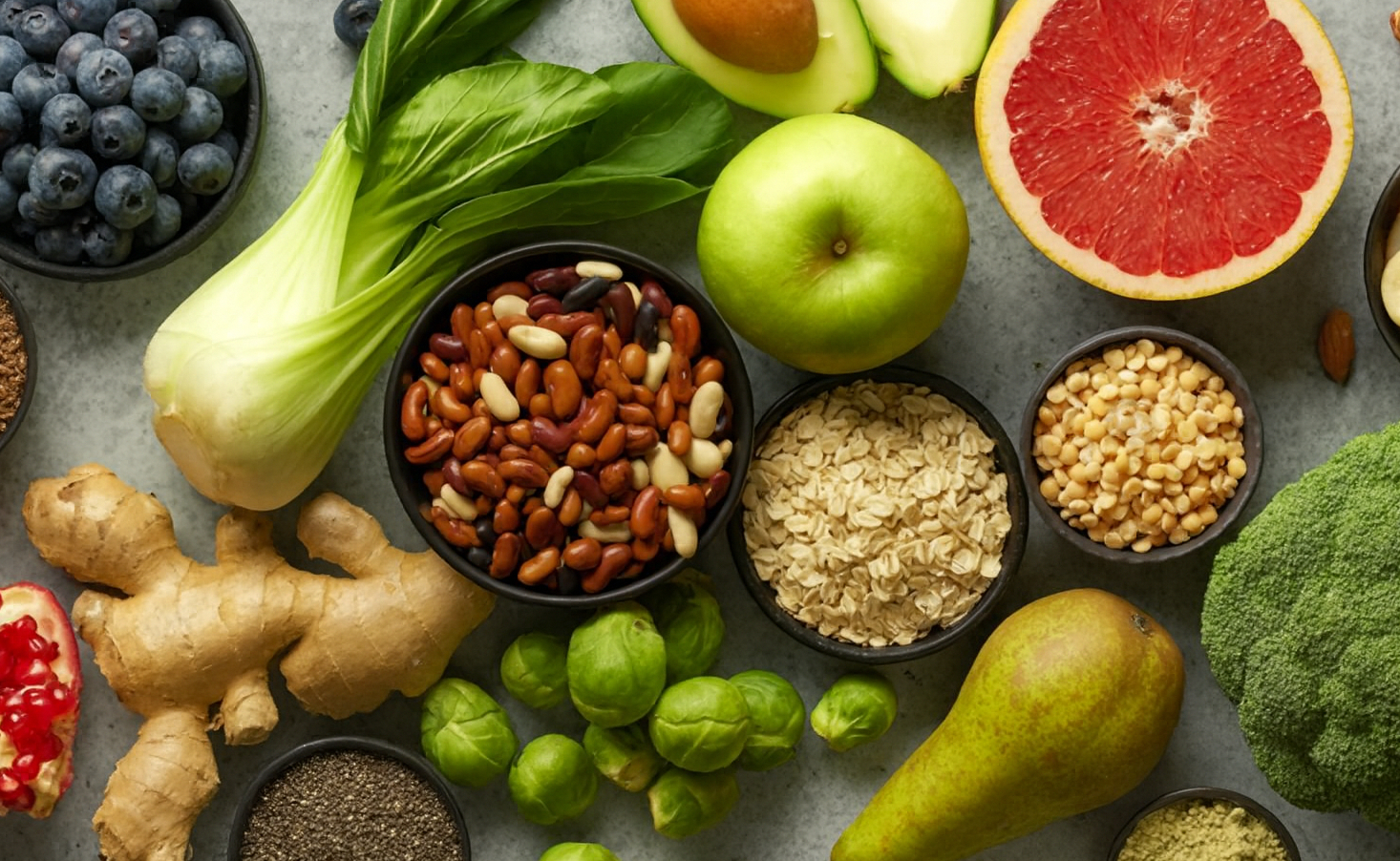
Incorporating superfoods into a daily diet is a great way to boost nutrition, support overall health, and prevent disease.
1. Berries
All types of berries—blueberries, strawberries, raspberries, and blackberries—are rich in fiber and antioxidants. They help fight inflammation, reduce cell damage, and support immune health. Add them to yogurt, smoothies, or eat them as a snack.
2. Leafy Greens
Spinach, kale, Swiss chard, and collard greens provide vitamin A, vitamin C, and calcium that support the eyes, skin, and bones. They are also high in fiber and phytochemicals beneficial for heart and digestive health. Include them in salads, stir-fries, or soups.
3. Nuts and Seeds
Almonds, walnuts, chia seeds, and flax seeds are excellent sources of protein, healthy fats, and fiber. They can lower cholesterol, reduce inflammation, and promote brain and heart health. Sprinkle them over breakfast cereals or incorporate them into trail mixes.
4. Fish
Fatty fish such as salmon, sardines, and mackerel are high in omega-3 fatty acids that help reduce the risk of heart disease, maintain healthy brain function, and fight inflammation. Try to include fish in weekly meals for optimal benefits.
5. Cruciferous Vegetables
Broccoli, Brussels sprouts, cabbage, and cauliflower are rich in vitamins, fiber, and phytochemicals, some of which may reduce cancer risk. They taste great when either steamed or stir-fried.
6. Legumes
Beans, lentils, chickpeas, and peas offer plant-based protein, fiber, vitamins, and minerals. They aid in controlling blood sugar and reduce the risk of heart diseases. Add them to salads, soups, or use them as dips like hummus.
7. Yogurt (Probiotics)
Yogurt is a probiotic-rich food that helps boost digestive health, promote a healthy gut, and enhance immune function. Choose low-sugar, live-culture options for maximum benefit.
Regularly adding these superfoods to meals ensures a nutrient-dense diet that supports long-term health, energy, and well-being.

