
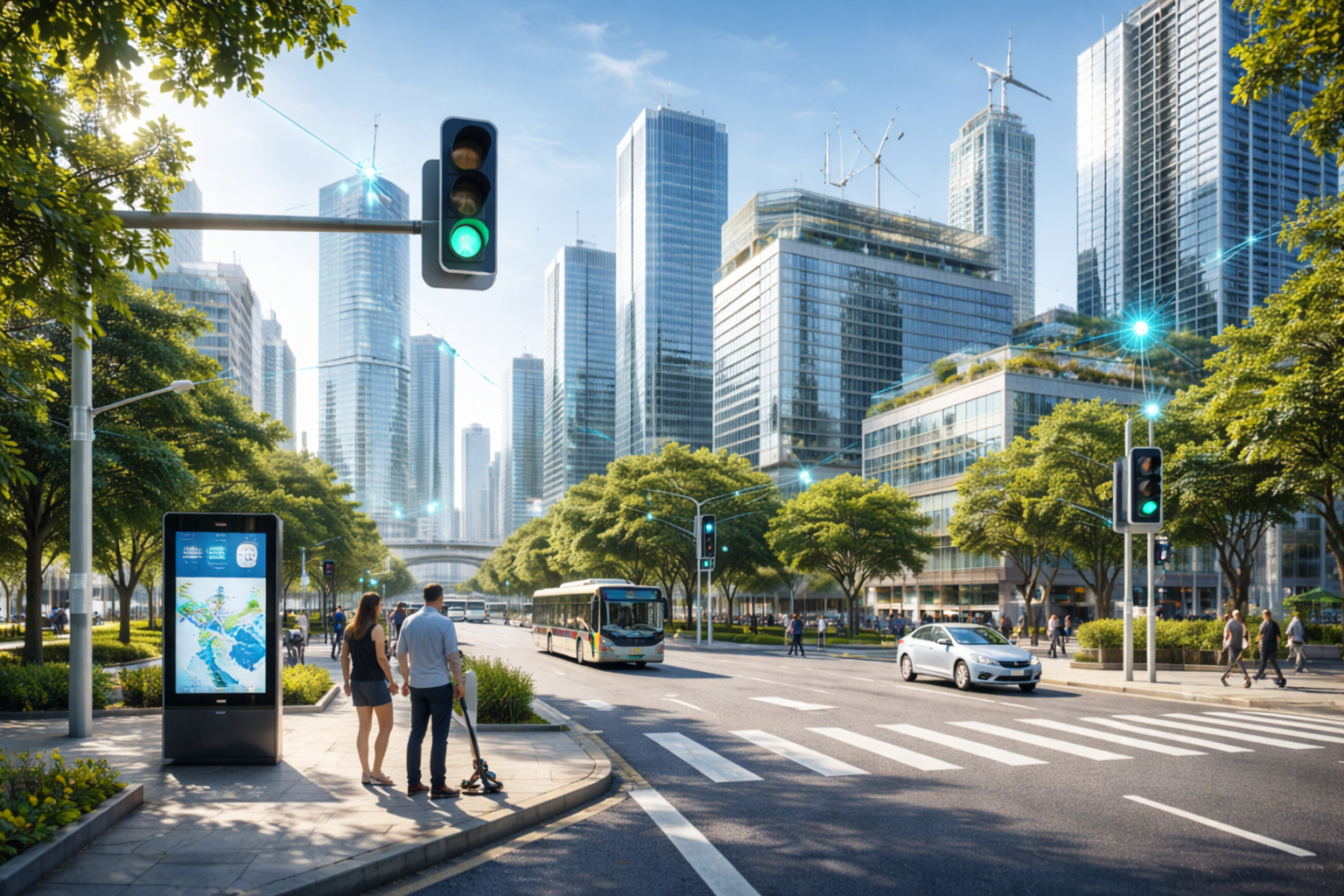
Cities around the world are evolving as technology reshapes how urban environments function and serve residents. Rapid population growth, resource constraints, and sustainability challenges have pushed city planners to rethink traditional infrastructure. Smart cities are emerging as a solution, using technology and data to improve efficiency, livability, and long-term resilience. This transformation is redefining what urban living looks like in the modern era.
What Makes a City “Smart”
A smart city integrates digital technology into everyday urban systems such as transportation, energy, water, and public services. Sensors, connected devices, and data platforms collect real-time information to optimize operations. This allows cities to respond proactively to issues like traffic congestion, energy demand, or public safety concerns. The goal is not technology for its own sake, but better outcomes for residents.
Improving Mobility and Transportation
Transportation is one of the most visible areas of smart city innovation. Intelligent traffic systems adjust signals based on real-time conditions, reducing congestion and travel time. Smart public transit uses data to improve scheduling and reliability. These advancements make commuting more efficient while lowering emissions and improving overall quality of life.
Enhancing Sustainability and Resource Management
Smart cities use technology to manage resources more responsibly. Energy-efficient buildings, smart grids, and real-time water monitoring help reduce waste and environmental impact. Data-driven insights allow cities to balance demand with supply more effectively. These systems support sustainability goals while controlling long-term operational costs.
Strengthening Public Safety and Services
Technology also plays a key role in public safety and service delivery. Smart lighting, emergency response systems, and predictive analytics help cities respond faster to incidents. Digital platforms improve access to services by making information and reporting tools more accessible. These improvements build trust and enhance everyday urban experiences.
Data, Privacy, and Inclusive Design
As cities become more data-driven, responsible governance is essential. Privacy protection, transparency, and inclusive design ensure that smart city benefits reach all residents. Technology must be implemented with community needs in mind to avoid widening digital divides. Thoughtful planning helps balance innovation with equity and trust.
Conclusion
The rise of smart cities reflects a shift toward more responsive, efficient, and sustainable urban living. By leveraging technology thoughtfully, cities can improve mobility, safety, and resource management. Smart cities are not just about innovation—they are about creating better places to live for the future.

