
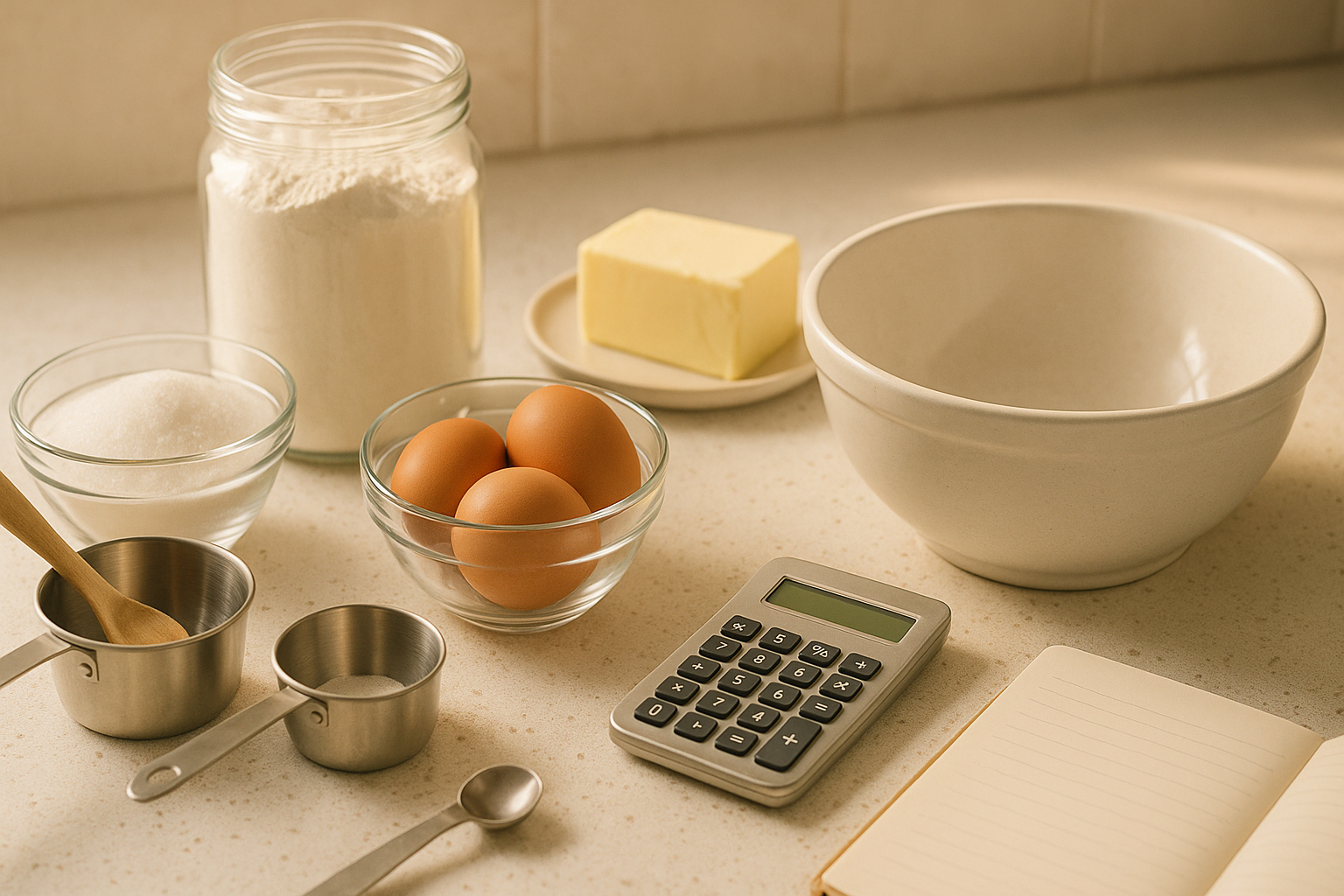
Baking may feel like an art, but at its core, it’s driven by science — precise measurements, chemical reactions, and predictable heat patterns that come together to create consistently delicious results. Whether you’re making cookies, cakes, breads, or pastries, understanding the science behind each step helps you avoid common mistakes and achieve perfect textures and flavors every time. With a few scientific principles in mind, anyone can elevate their baking from good to exceptional.
The Role of Accurate Measurements
In baking, small measurement errors can dramatically change the outcome. Ingredients like flour, sugar, and leavening agents must be measured precisely to maintain the right balance between moisture and structure. Too much flour creates dense, dry results, while too little can cause baked goods to collapse. Using the spoon-and-level method or a kitchen scale ensures consistency and improves your final product every time.
Heat, Timing, and the Chemistry of Rising
Heat is responsible for transforming dough or batter into a finished bake. When placed in the oven, leavening agents like baking powder, baking soda, and yeast release gases that help dough rise. This expansion creates airy textures in cakes, breads, and muffins. Baking at the correct temperature ensures these reactions happen at the right speed. If the oven is too hot, the outside may burn before the inside cooks; too cool, and the structure may fail to form properly.
The Magic of Gluten Formation
Gluten is the protein network that gives baked goods their structure. Mixing flour with liquid activates gluten, and the amount of mixing determines the texture. Bread requires strong gluten development for a chewy crumb, while cakes need minimal mixing to remain tender. Understanding how gluten behaves helps you adjust mixing techniques for the perfect texture every time.
Moisture, Fat, and Flavor Balance
Moisture from eggs, milk, or water affects tenderness and shelf life, while fats like butter or oil add richness and help create desirable textures. Butter traps air when creamed with sugar, contributing to light, fluffy bakes. Meanwhile, sugar not only sweetens but also helps retain moisture. Balancing these ingredients ensures your baked goods stay flavorful, tender, and evenly textured.
Conclusion
Perfect baking depends on understanding the scientific interactions of ingredients, heat, and technique. By mastering measurements, respecting temperature, managing gluten, and balancing moisture and fats, you create baked goods that consistently rise, brown, and taste exactly how you want them to. When you blend art with science, baking becomes both predictable and delightful.

