
Consistent home cooking can save time, money, and improve health, but busy schedules make it feel out of reach. With straightforward structure and a few habits, cooking at home becomes manageable and even enjoyable. This article outlines practical steps to build a flexible routine that fits varied weekdays and weekends. Read on for planning tips, efficient techniques, ingredient strategies, and ways to adapt recipes.
Establishing a routine is less about rigidity and more about setting helpful boundaries that reduce daily decisions. Small changes compound into reliable, satisfying meals without overwhelming your calendar.
Planning with Purpose
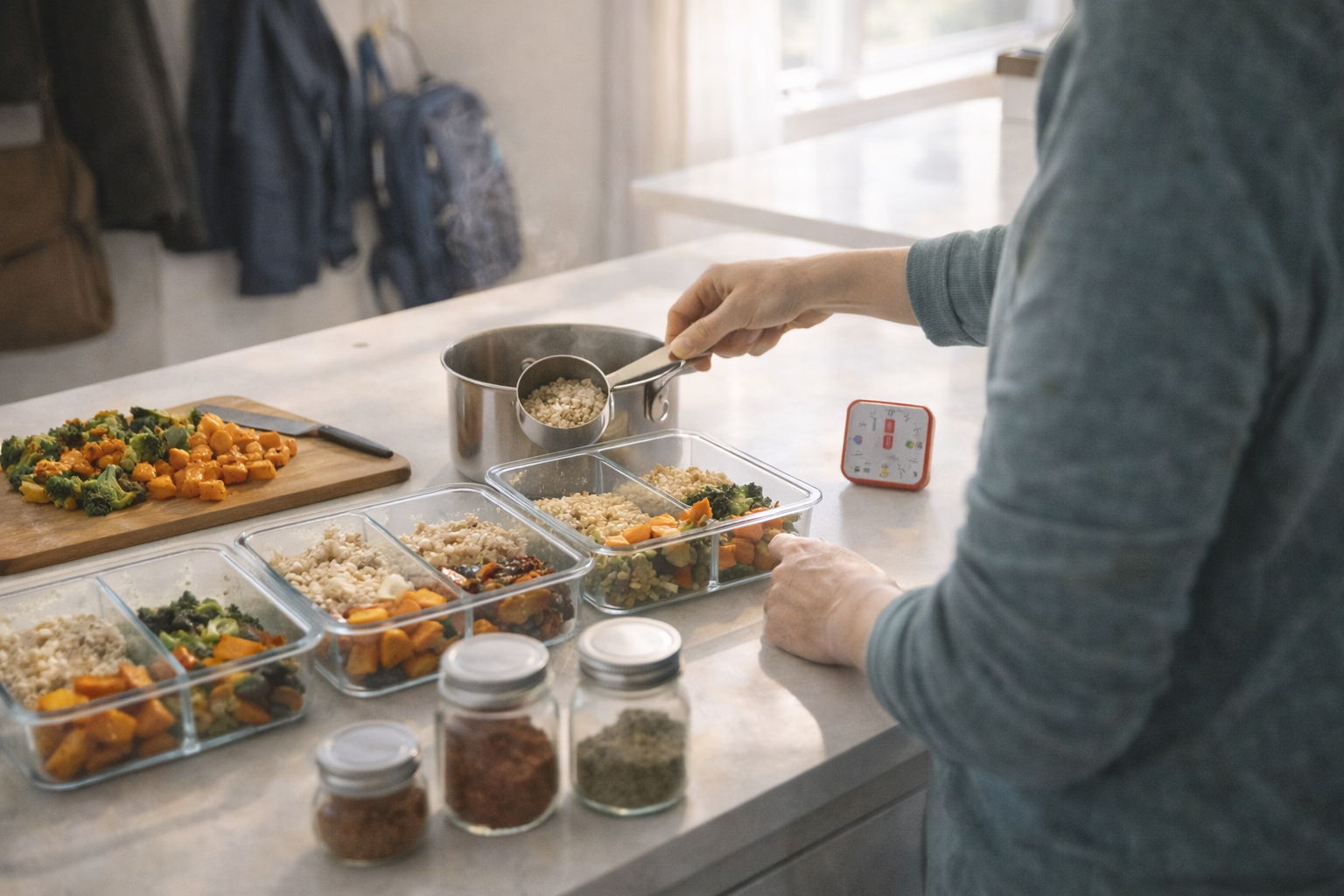
Start by setting a realistic rhythm for your week that reflects work, family, and downtime commitments. Identify two to three evenings ideal for more involved cooking and plan simpler meals for the busiest days. Batch-cooking and component prep on a single day reduces stress during the week and makes mixing dishes easier. Keep a short master list of go-to meals and staple ingredients to speed grocery trips.
- Pick one prep day for chopping, cooking grains, and roasting vegetables.
- Maintain a rotating three-week menu to avoid repetition.
- Shop with a compact list organized by store sections.
Over time the rhythm will evolve; adjust it seasonally or as routines change. A modest plan reduces decision fatigue and increases variety.
Efficient Techniques and Tools
Invest in a small set of reliable tools and learn simple techniques that multiply your efficiency. A sharp chef’s knife, one heavy skillet, and a medium saucepan cover most tasks; learn to roast, sauté, and simmer well. Use timers and pre-measured spice mixes to standardize flavor without extra thinking. Embrace one-pot meals and sheet-pan dinners for minimal cleanup and fast service.
Practice sharpening timing and temperatures and keep notes on adjustments. Tools and technique together create dependable results.
Adapting Recipes and Ingredients
Flexibility comes from knowing what you can swap without losing a dish’s character. Learn common ingredient equivalencies, how to adjust cooking times for different cuts, and which flavor profiles can be amplified with herbs or acid. Use pantry staples creatively: canned beans, grains, and preserved lemons expand options when fresh produce is limited. Keep a small selection of condiments and spices that reflect the cuisines you enjoy most.
- Swap proteins: beans for meat in stews or tacos to save time and cost.
- Grain substitutes: quinoa or farro in place of rice for texture variety.
- Acid and aromatics: a squeeze of citrus or fresh herbs can brighten dishes.
Adapting recipes reduces waste and keeps meals interesting. Small substitutions often lead to welcome new combinations.
Conclusion
A flexible cooking routine doesn’t require perfection but consistent habits. Start small, automate what you can, and gradually expand skills and repertoire. The result is more enjoyable meals and less mealtime stress.

