
Simplifying how your kitchen is stocked and arranged can cut meal time and reduce stress. Small adjustments to where you store ingredients and how you prep can have an outsized effect on weekday dinners. This article outlines practical pantry strategies, menu planning habits, and time-saving techniques to make cooking more efficient. These steps are designed to be achievable and repeatable, even in busy households.
Organize Your Pantry and Prep Stations
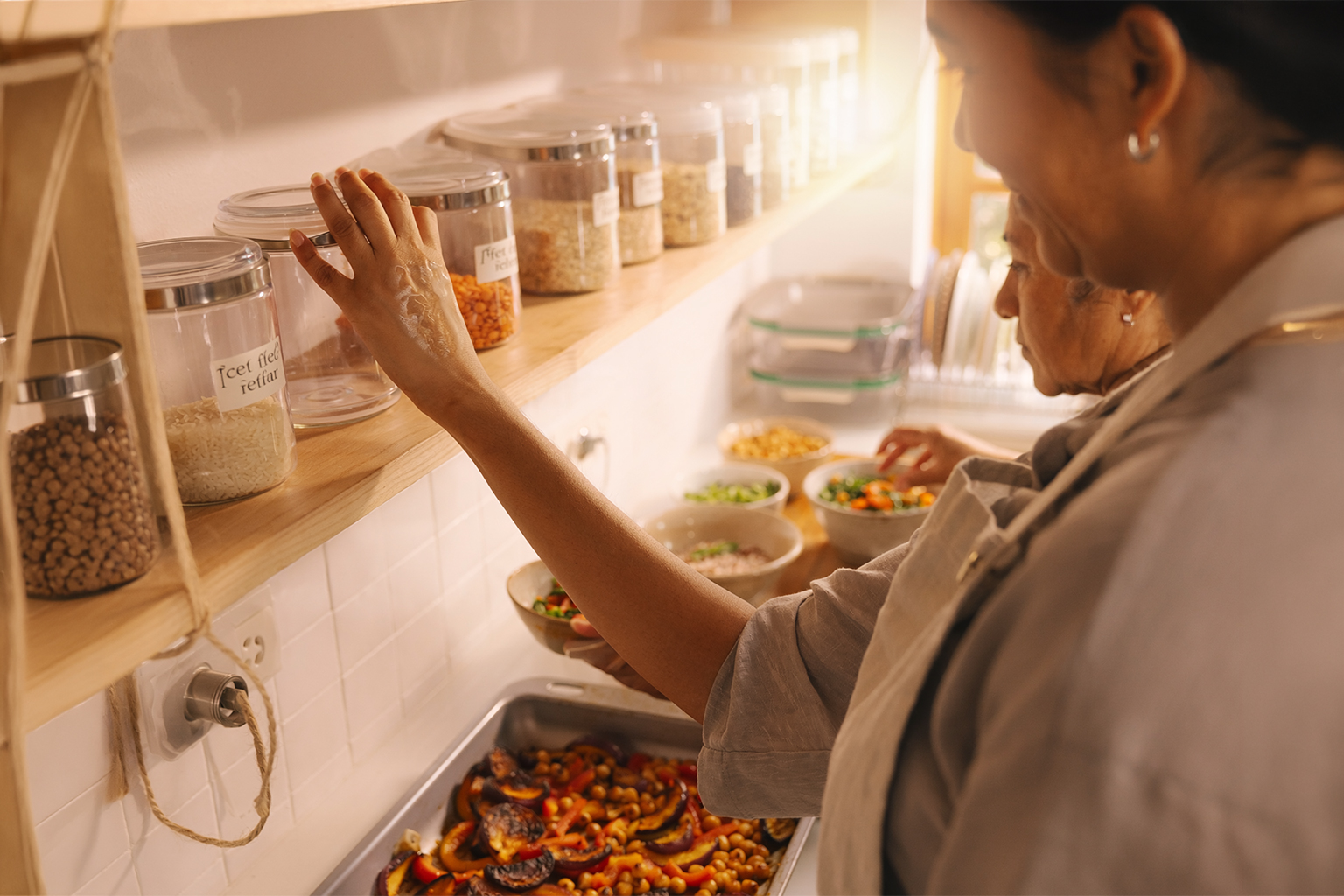
Start by grouping items by use: baking, grains, canned goods, and snacks each get a dedicated zone. Clear containers and consistent labeling help you see what you have at a glance and prevent duplicates. Keep frequently used items at eye level and reserve lower shelves for bulk or long-term storage. Create a small prep station near the stove with commonly used utensils and measuring tools.
Regularly rotate stocks so older items get used first and stale products are minimized. Investing a little time to maintain these zones pays off every time you cook. The result is fewer searches for ingredients and a smoother cooking flow.
Plan Simple, Repeatable Menus
Design a handful of go-to meal templates that you can rotate through the week. Templates reduce decision fatigue and make shopping faster because you repeat key ingredients. Use a short shopping list that complements more than one template to avoid waste and maximize flexibility. Allow one night for trying something new to keep variety without complexity.
- Grain bowl night: cooked grain, protein, two quick veggies, flavorful dressing.
- Stir-fry night: protein, assorted vegetables, simple sauce, serve over rice.
- Pasta or noodle night: sauce, protein, one vegetable, grated cheese or herbs.
Templates also make batch cooking and ingredient swaps straightforward. Over time you can fine-tune templates to match preferences and seasonal produce.
Use Time-saving Techniques and Tools
Adopt mise en place: prep and measure ingredients before you begin to keep cooking uninterrupted. Batch-cook staples like rice, roasted vegetables, or shredded chicken and freeze portions for quick assembly later. Embrace simple tools that speed tasks, such as a quality knife, a reliable skillet, or an efficient food processor. Even small habits like cleaning as you go reduce the time spent after meals.
Combine techniques—for example, roast a tray of mixed vegetables while cooking grains—to leverage oven time. Little investments in equipment and habits compound into significant time savings and more consistent results.
Conclusion
Focus on small, repeatable systems rather than perfection to steadily improve meal times. Organize, plan, and use a few smart techniques to reduce friction and enjoy cooking more. With consistent effort, faster home cooking becomes the new normal.

