
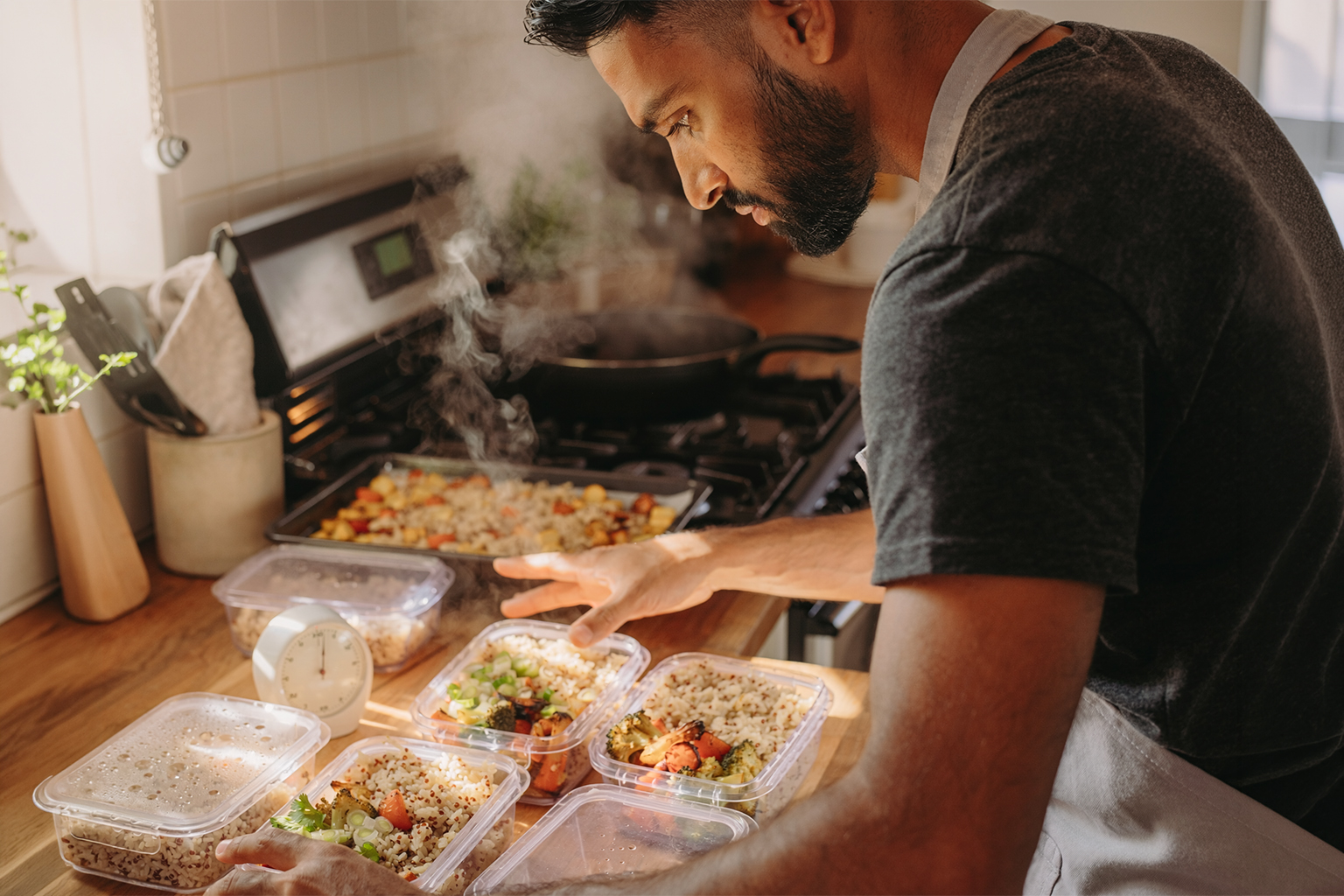
Efficient meal planning begins by grouping recipes by technique and overlapping tasks. If a week includes roasting, one pan can handle vegetables for multiple meals when timed properly. Choose two core proteins and rotate simple sides to limit decision fatigue and shopping time. A short weekly plan prevents last-minute scrambles and helps you use ingredients before they spoil.
Start with a two-day or three-day plan if weekly feels too rigid. Gradually increase as routines settle and shopping becomes more focused.
Prep and Store Smartly
Prep and storage techniques preserve both time and food quality across the week. Batch-cook grains and legumes, portion them, and chill so they are ready to combine. Keep washed greens and chopped aromatics in airtight containers for faster assembly. Label containers with dates to prevent waste and to rotate older items first.
- Store dressings and sauces separately to maintain texture and freshness.
- Freeze single-serve portions of soups or stews for quick reheats.
Small investments in storage material pay off through reduced prep time. Clear organization makes it easier to improvise meals on busy nights.
Tools and Timing Strategies
Choosing versatile tools can streamline many tasks and reduce cleanup time. A sharp chef’s knife, a reliable pan, and a few heatproof containers cover most needs. Use timers, batch-friendly appliances, and simple mise en place to coordinate multiple elements. Learning a handful of staple techniques speeds execution and builds kitchen confidence.
Regularly review what you use and retire gadgets that don’t earn their space. Focus on easy wins that multiply across many meals for biggest impact.
Time-Saving Cooking Techniques
Adopting a small set of time-saving techniques can shave minutes off every meal. High-heat searing, one-pan braises, and quick sauces often create depth of flavor with little hands-on time. Stagger cooking steps — start the longest item first and prep while it cooks — to keep movement flowing. Use partial precooking for ingredients like potatoes or beans so they finish quickly during assembly. Practice simple batch techniques like making a versatile sauce that can be adapted across dinners.
These techniques compound: a few minutes saved on each dish free up real time by the week. Experiment with one method at a time until it fits naturally into your routine.
Conclusion
Small, consistent adjustments in timing and tools transform daily cooking.
Start with one change this week and build on it.
Over time these habits free up effort and deliver better, quicker meals.

