
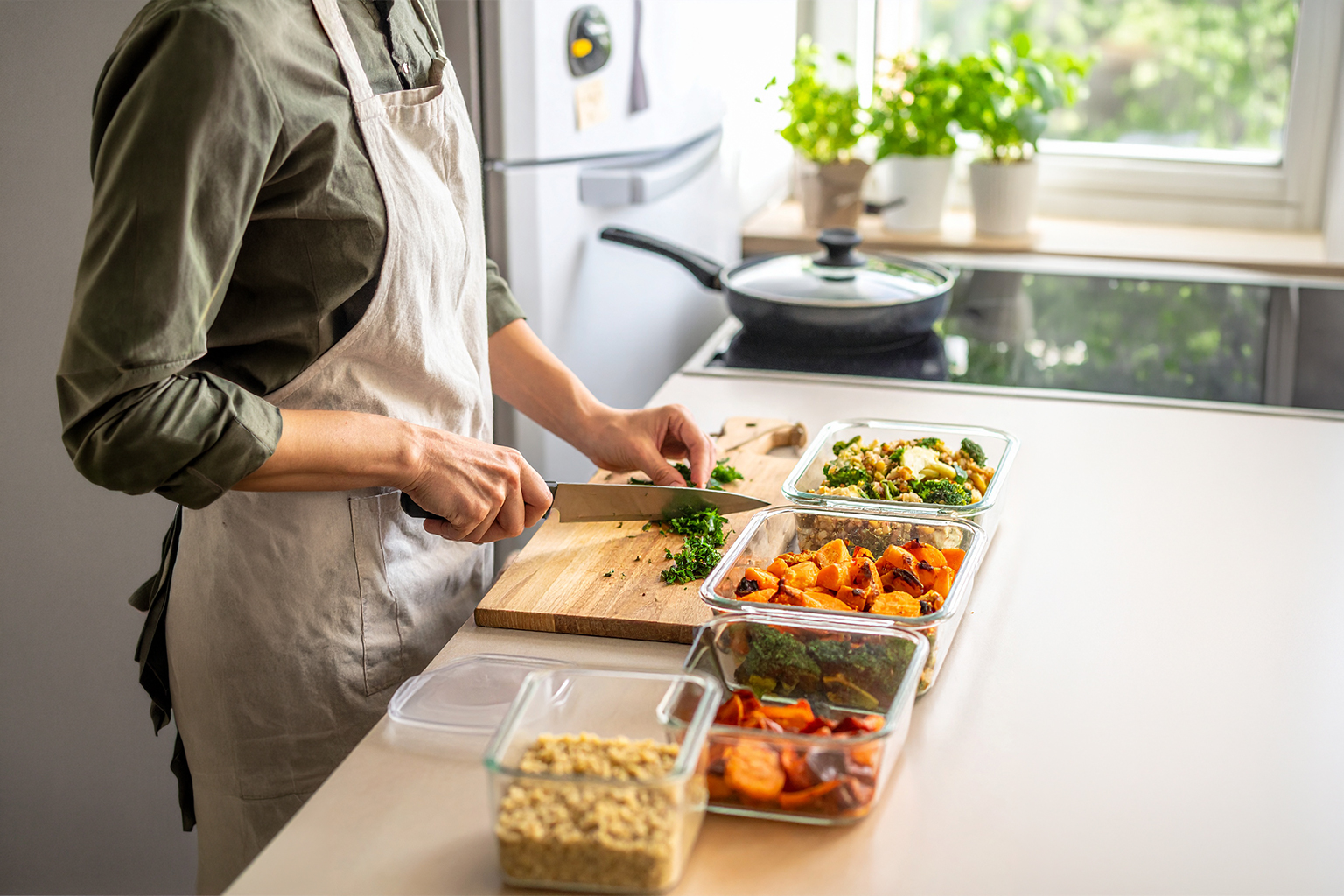
Small, consistent kitchen habits change how smoothly weeknight meals come together. Rather than overhauling your cooking, incremental adjustments to planning and prep reduce stress and save time. This article outlines practical behaviors you can adopt without big investments or complicated systems. Apply a few at a time and you will notice dinners come together faster and more reliably.
Plan with Purpose
Start by mapping your week with a simple plan that aligns available time and energy to meal choices. Identify two or three nights that are ideal for quick or repurposed dishes, and reserve one slot for a more involved recipe. Writing this down or using a shared note keeps the plan visible to everyone who cooks. A little forethought prevents last-minute decisions that typically lead to takeout.
Once the schedule is familiar, tweak it to match seasonal produce and personal rhythms. Consistency in planning makes the rest of the week easier.
Set Up Smart Prep Habits
Set aside a small, regular window for mise en place tasks like washing greens, chopping aromatics, or cooking grains. Batch-cooking staples such as rice, beans, or roasted vegetables can provide building blocks for multiple dinners. Storing prepped ingredients in clear containers and labeling them saves time and prevents food waste. Routine prep turns once-daunting weeknight tasks into a few efficient steps.
- Batch grains to use across salads and bowls.
- Pre-roast or steam vegetables for quick sides.
- Mix a basic seasoning blend to speed flavoring.
Over time, these habits reduce friction and increase confidence at the stove. Start with one prep habit and add another once it feels routine.
Maintain a Practical Pantry
Design a pantry that supports your chosen meal template by keeping versatile staples on hand. Rotate stock regularly and use a simple inventory note to avoid duplicates and expired items. Aim for flexibility—items that work across soups, salads, and bowls extend options without extra shopping. A compact list of reliable condiments, grains, and canned goods unlocks many dinner possibilities.
Check your pantry before shopping to reduce waste and unnecessary purchases. A thoughtful pantry saves time and gives you more creative control when plans change.
Use Tools and Timing Intentionally
Choose a small set of reliable tools—sharp knives, a sturdy pan, and a timer—that repeatedly deliver consistent results. Learn to use them well; a sharp knife and hot pan save time and improve texture and flavor. Time-saving gadgets can help, but prioritize skills that translate across recipes over single-use appliances. Batch your oven usage and align cooking steps so you use heat effectively without constant monitoring.
Small investments in a few quality tools and the discipline to use them increase efficiency. Combine gear with consistent timing habits to shave minutes off dinner prep every night.
Conclusion
Small, repeatable cooking habits compound into big improvements in speed and satisfaction. Choose a couple of changes to practice for a month and measure how they affect your evenings. With steady habits, better dinners become the default rather than the exception.

