
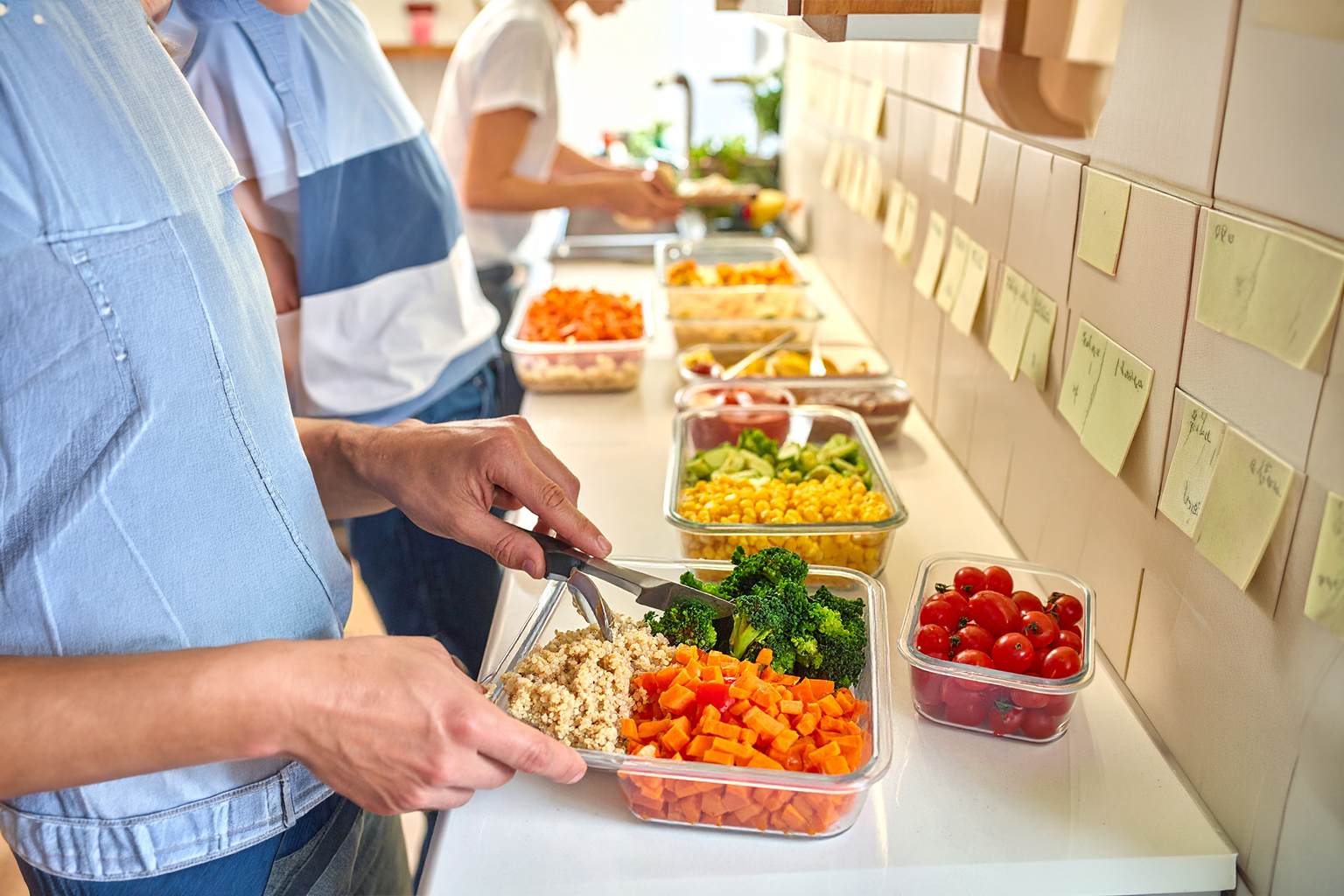
Cooking at home can feel chaotic when time is tight and plans are vague. Small shifts in planning and prep reduce stress and make weeknight dinners consistent. This piece outlines practical steps that fit real schedules and limited space. You can build habits that save time while improving flavor and variety.
Start with a Simple Weekly Plan
Begin by sketching a two- to three-day outline for dinners instead of an exact recipe each night. Choose one protein, two vegetable ideas, and a versatile grain that work across multiple meals. This approach reduces decision fatigue and makes grocery shopping faster because you reuse ingredients in different combinations. Keep the plan visible on a fridge note or a phone widget so the whole household knows what to expect.
Allocating a small planning slot early in the week helps maintain momentum. A compact list prevents overbuying and keeps meals achievable without extensive shopping trips.
Prep Smart, Not Excessively
Efficient prep focuses on tasks that pay off most evenings: washing and chopping key vegetables, cooking a batch grain, and portioning proteins. Do these tasks in one short session so nightly assembly becomes quick. Aim for prep that saves at least ten minutes per night rather than attempting large, infrequent marathons. When you limit prep to high-impact steps, it stays manageable and more likely to become routine.
- Trim and store greens for two to three days.
- Cook a grain that works with several meals.
- Marinate or portion proteins ready to cook.
These simple prep choices create flexible building blocks. They give you options without committing to a single recipe for the whole week.
Organize Tools and Ingredients for Flow
Arrange commonly used tools and ingredients within easy reach to minimize interruptions during cooking. Group cutting boards, knives, and frequently used utensils near your prep area. Store staple spices and oils in a single, visible location so you can season as you go without searching. A tidy, predictable layout reduces friction and helps you move smoothly through each step.
Consistency in where things live speeds up every meal. Small organization actions compound into noticeable time savings across the week.
Use Timing and Staging to Your Advantage
Think about cooking as a series of stages: active prep, passive cooking, and finishing touches. Start components that take longest first and add quicker elements later so everything finishes together. Use timers, and consider one-pot or sheet-pan methods for simpler coordination. Staging also makes it easier to include fresh elements like a quick salad or garnish at the end for brightness.
Adopting a timing mindset transforms rushed dinners into calm, predictable routines. It lets you scale complexity up or down depending on time and energy.
Conclusion
Clear planning, focused prep, intentional organization, and smart timing turn dinner into a manageable part of the day. Small, repeatable choices reduce stress and improve results without extra hours in the kitchen. Start with one change this week and build from there.

