
Consistency matters more than duration when building a sustainable fitness habit. Short, focused sessions spread across the day can accumulate real benefits without demanding extra time. The key is choosing effective movements, embedding them into existing routines, and tracking small progressions. This article outlines practical methods to make movement automatic and manageable in a busy life.
Choose Short, High-Impact Movements
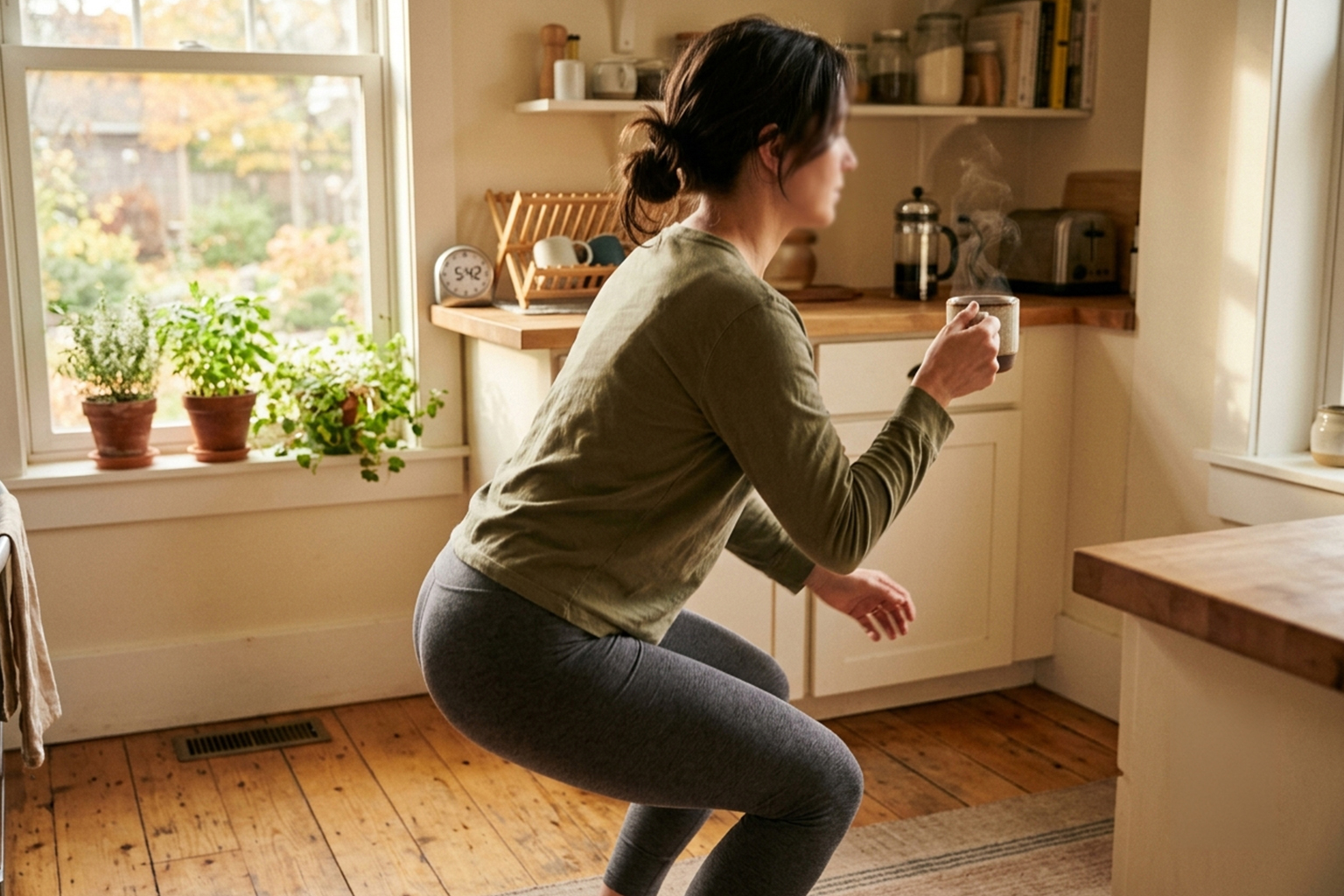
Start with compound moves that work multiple muscle groups, like bodyweight squats, push patterns, and hip hinges. A set of six to twelve slow squats, six to ten push variations, or ten to fifteen hip hinges can be completed in a few minutes and boost strength. Pairing mobility drills such as thoracic rotations and ankle circles improves movement quality and reduces injury risk. Focus on technique and controlled tempo rather than speed to maximize benefit from brief efforts. These options are easy to scale and require minimal coaching.
Over time, increase repetitions or add a resistance band to maintain stimulus. Small changes keep short sessions meaningful and prevent plateaus.
Embed Movement in Existing Routines
Instead of carving out extra time, attach mini-sessions to daily anchors like coffee breaks, bathroom trips, or meetings. Standing calf raises while on calls, a quick set of lunges before lunch, or calf and glute squeezes between emails accumulate movement. Using timers, calendar reminders, or environmental cues helps these actions become habitual. Consistency grows when exercise becomes a predictable part of your normal day. Make the cues visible to strengthen the association.
Start with one to two anchors per day and expand as the habit solidifies. This gradual approach reduces resistance and improves adherence.
Prioritize Recovery and Small Progressions
Recovery matters as much as activity; brief mobility work and sleep-quality focus help sustain daily movement. Track simple progress markers like increased reps, easier breathing, or reduced stiffness rather than chasing large weekly loads. When energy is low, choose restorative options: gentle walks, breathing drills, or light stretching that maintain momentum. Consistent, small improvements compound into meaningful gains over months.
Plan one modest progression each week, even if it’s only one extra rep or five more seconds of hold. That steady, achievable progression keeps motivation high and reduces injury risk.
Conclusion
Making movement habitual doesn’t require long workouts or special equipment. By choosing efficient movements, pairing them with daily anchors, and prioritizing recovery, you create a sustainable routine. Small, deliberate steps each day lead to lasting fitness improvements.
