
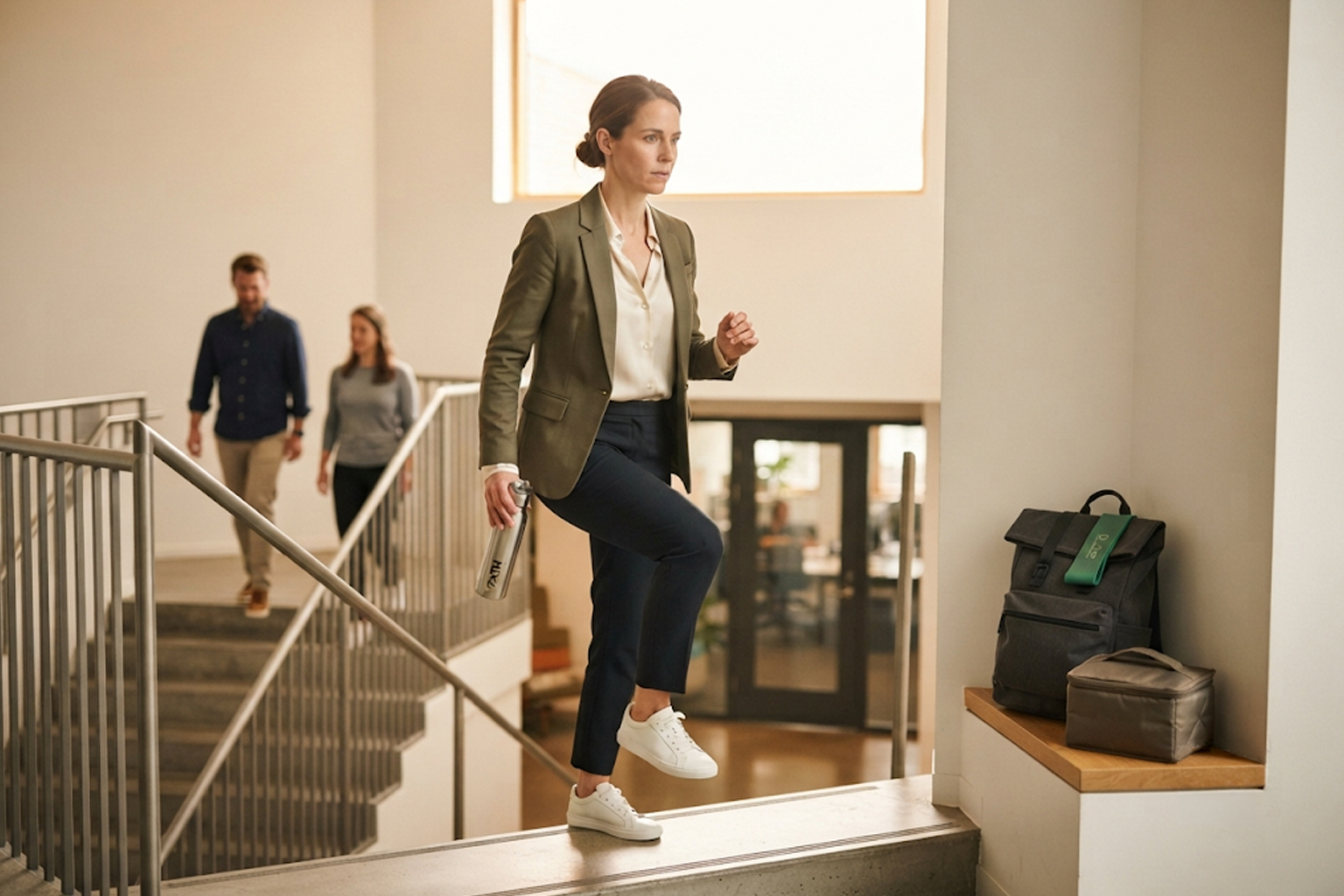
You don’t need hour-long gym trips to make steady progress. Short, focused sessions that target movement quality and consistency often produce better long-term results than sporadic intense efforts. When time is limited, clear intent and a small set of effective exercises keep gains moving forward. This piece explains practical ways to design brief workouts that add up week after week.
Begin with realistic expectations and modest goals. Small wins compound quickly when repeated, and the plan below helps you turn occasional effort into habit.
Why short sessions work
Short sessions reduce friction: they require less planning, lower perceived effort, and fit into more days. Physiologically, frequent stimulus—whether strength, mobility, or conditioning—keeps neural patterns primed and prevents deconditioning. Psychologically, succeeding with a five- to twenty-minute session strengthens confidence and removes barriers to starting. Consistency beats intensity for many people, especially those balancing work and family commitments.
Focus on movement patterns rather than vanity metrics. Prioritize squats, hinge movements, pulling, pushing, and basic mobility to cover strength and function in minimal time.
How to structure a 10–20 minute session
Start with a one- to two-minute warm-up: brisk walking, joint circles, or light bodyweight movements to raise heart rate. Choose two compound-driven blocks: one strength-focused sequence (e.g., goblet squats, push-ups, single-leg Romanian deadlifts) and one mobility or core finisher. Work in sets that match your energy—three sets of eight to twelve reps for strength, or timed intervals like 30 seconds on, 15 off for conditioning. Finish with a minute of breathing or targeted stretching to aid recovery.
Keep a simple progression plan. Add reps, increase load slowly, or reduce rest to move forward without needing long workouts.
Fit consistency into everyday life
Anchor sessions to reliable moments: right after waking, during a lunch break, or before evening chores. Treat the session like an appointment and block the time in your calendar to avoid decision fatigue. When travel or schedule spikes occur, switch to a five-minute maintenance routine that preserves movement patterns. The goal is to maintain a rhythm rather than chase perfection on every day.
Use equipment sparingly. A pair of dumbbells or a resistance band expands options, but bodyweight training alone can sustain progress for months.
Conclusion
Small, intentional sessions make fitness easier to keep over months and years. Focus on reliable habits, basic movement patterns, and gradual progression to get meaningful results. Over time, these short efforts add up into lasting strength and mobility.

