
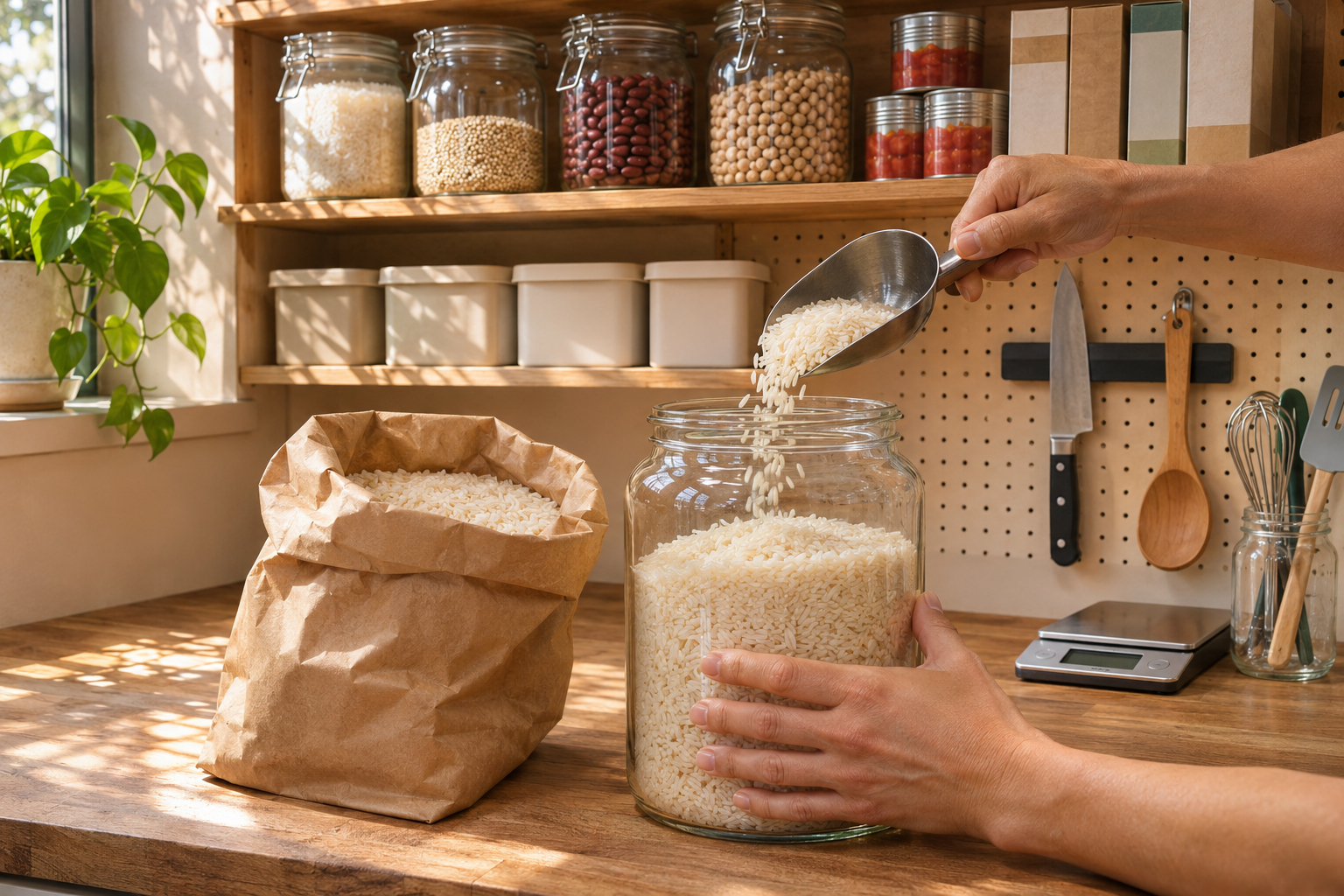
Cooking at home can feel like a luxury or a chore depending on how you set up the work. A few deliberate steps before you turn on the stove will save time, reduce waste, and improve flavor across the week. These are practical habits you can adopt even if you only cook a few times. Read on for straightforward strategies that fit small kitchens and hectic schedules.
Plan and Shop with Purpose
Start by choosing a small set of recipes you actually want to eat and build a shopping list around shared ingredients. Prioritize versatile staples—onions, garlic, canned tomatoes, beans, and a grain you enjoy—so leftovers can become different meals with minimal effort. Consider quantities: buy fewer fresh herbs more often, but stock up on items that freeze or keep for weeks. A focused list prevents impulse buys and keeps your fridge usable instead of overcrowded.
Planning reduces decision fatigue at dinnertime and helps you use everything you buy. Over time you’ll notice which ingredients return value and which sit forgotten, making future lists smarter and shopping faster.
Prep Once, Use Many Times
Set aside one or two blocks of time each week—30 to 90 minutes—to do basic prep: chop vegetables, cook a grain, or poach proteins. Small, consistent prep turns raw ingredients into ready-to-use components, so assembling a meal becomes a matter of minutes instead of an hour. Use simple, durable containers for portioned items and label them with dates if you won’t eat them immediately. The real payoff is variety; the same prepped onion and pepper can become a stir-fry, an omelet filling, or a quick pasta sauce.
- Cook a pot of rice or quinoa and portion it into three meals.
- Sauté a big batch of aromatics and freeze in tablespoon portions.
- Roast a tray of mixed vegetables to add to salads, bowls, and sandwiches.
Batch prep doesn’t need to be perfect—small quantities help you experiment without waste. Keep a running list of what to prep based on what you actually eat during the week.
Tool Up for Efficiency and Comfort
You don’t need a kitchen full of gadgets, but a few well-chosen tools save time and improve results. A sharp chef’s knife, a reliable cutting board, a good pan, and a container set cover most needs. Arrange your workspace so frequently used items live within easy reach; it sounds minor, but reducing extra steps speeds every task. Lighting and a clutter-free counter make cooking less tiring and more pleasant, which means you’re likelier to cook more often.
Invest in quality where it matters and simplify where it doesn’t. Small improvements to tools and layout add up to faster, better weeknight meals.
Conclusion
Smart choices before and during the week turn cooking from a rush into a system that supports better food. Focus on targeted planning, modest batch prep, and a few dependable tools to make meals easier. Those changes deliver more variety, less waste, and real time saved.
