
Small, repeatable habits in the kitchen shape how smoothly meals come together. By choosing a few predictable patterns you reduce decision fatigue and waste while boosting confidence at the stove. The aim is not rigid rules but reliable touchpoints that make weekday cooking faster and more pleasant. This article outlines practical patterns you can adopt without big investments or time commitments.
Set Intentional Prep Habits
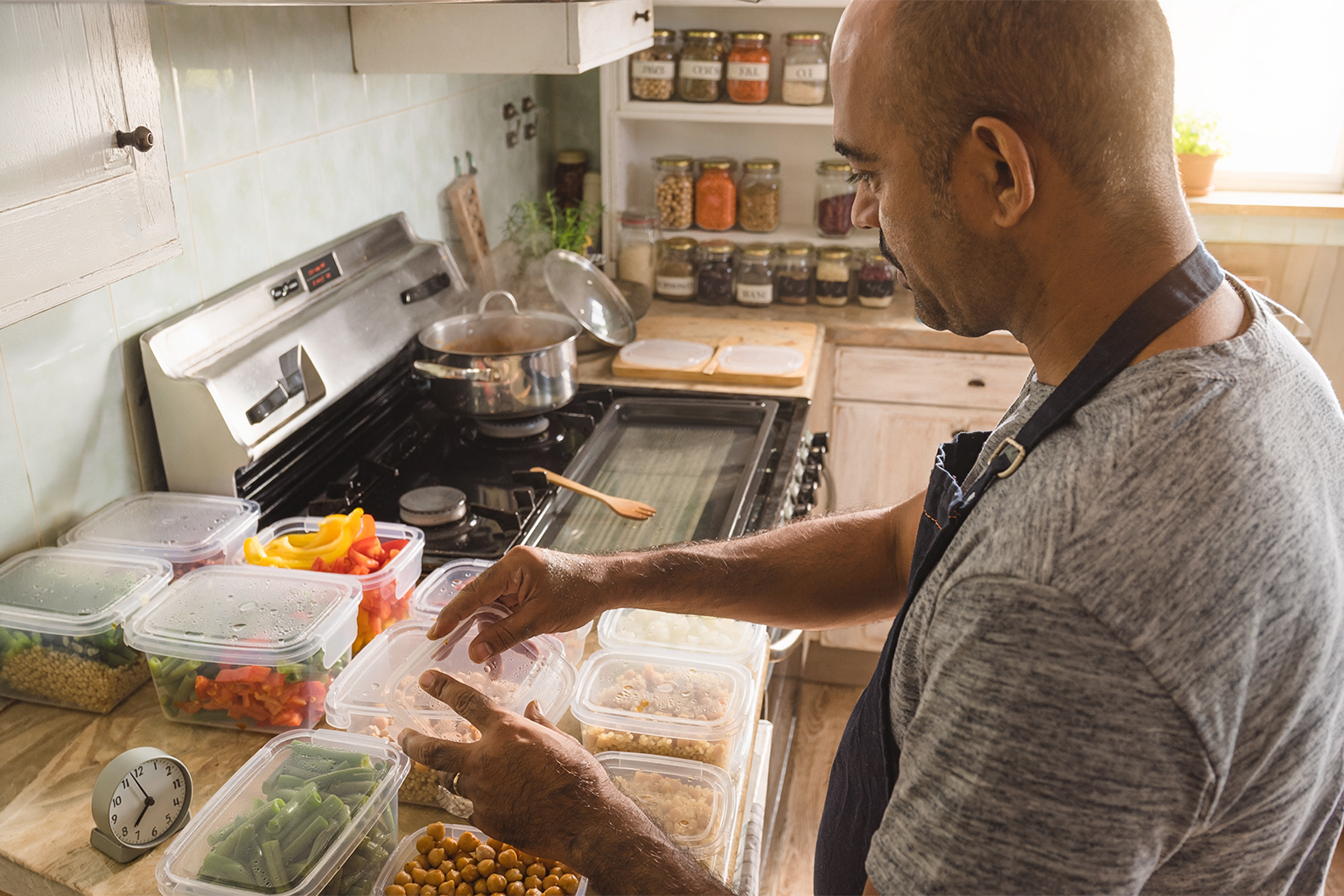
Begin by identifying two or three prep tasks you can do ahead of time, such as rinsing vegetables, portioning grains, or trimming proteins. Doing these consistently on the same day or time creates momentum and makes evening cooking feel manageable. Small, routine prep reduces the number of active decisions when hunger and time pressure strike. Over weeks, these tasks become automatic and free up your mental bandwidth.
- Pick a recurring prep window (e.g., after grocery day).
- Store prepped items in clear containers so they get used.
Treat these habits as flexible: scale them up when you have time and keep them minimal when you don’t. The key is consistency rather than perfection.
Organize by Meal Tasks
Group equipment and ingredients around common tasks to streamline movement in the kitchen. For example, keep cutting boards, knives, and peelers together near a prep station, and group baking supplies in another spot. This reduces wasted steps and the impulse to skip a task that feels cumbersome. Organizing around tasks also helps others in the household pitch in more easily.
- Create a small zone for aromatics like onions and garlic.
- Keep frequently used spices within arm’s reach of the stove.
When each task has a natural place, the physical flow of cooking improves and cleanup becomes simpler. Small changes here add up to noticeable time savings.
Use Simple Timing Anchors
Rely on a handful of timing anchors — predictable events that remind you to start or finish a task — rather than complex schedules. Anchors can be things like starting a grain cooker when the oven preheats or tossing a salad while pasta boils. These cues tether steps together so tasks occur in a sensible sequence. Over time, anchors help you build a reliable rhythm for weeknight meals.
- Match low-attention tasks to passive cooking moments.
- Use a single timer instead of multiple alarms whenever possible.
Anchors reduce the need for constant monitoring and make it easier to multitask without dropping plates. They create a steady, dependable pace.
Maintain a Lean Pantry
Keep a compact pantry of versatile staples that support many meals: dried grains, canned legumes, a few shelf-stable sauces, and basic spices. A lean pantry minimizes decision paralysis and simplifies shopping lists. When your core ingredients are predictable, it’s easier to improvise and adapt recipes to what’s available. This approach supports faster meal building and fewer wasted items.
- Rotate items regularly to avoid expired goods.
- Label containers to speed retrieval.
Periodic, small audits of the pantry keep it useful rather than overwhelming. The goal is accessibility and variety without clutter.
Conclusion
Adopting a handful of consistent patterns changes daily cooking from stressful to sustainable. Start with one habit and build gradually so improvements stick. Over time these small shifts deliver steadier, more enjoyable meals.

