
Cooking every day can feel overwhelming when time is tight and expectations are high. Small, repeatable habits reduce decision fatigue and make it easier to enjoy flavorful meals. This article outlines practical strategies that focus on planning, ingredient habits, timing, and simple recipe choices. The goal is to help you build routines that produce consistent results without adding stress.
Plan with purpose
Start by creating a lightweight plan for the week that balances variety with repeatable templates. Choose two or three core meal frameworks—such as a grain bowl, sheet-pan roast, and one-pot stew—and rotate proteins and vegetables to keep things interesting. Planning reduces last-minute grocery runs and helps you use what you already have, which saves time and money. Keep your plan flexible so you can adapt to leftovers or unexpected schedule changes.
Begin with a single planning habit, like choosing dinners for three nights, then expand as it becomes routine. A short shopping list tied to those templates makes errands quicker and shopping more focused.
Adopt smart ingredient habits
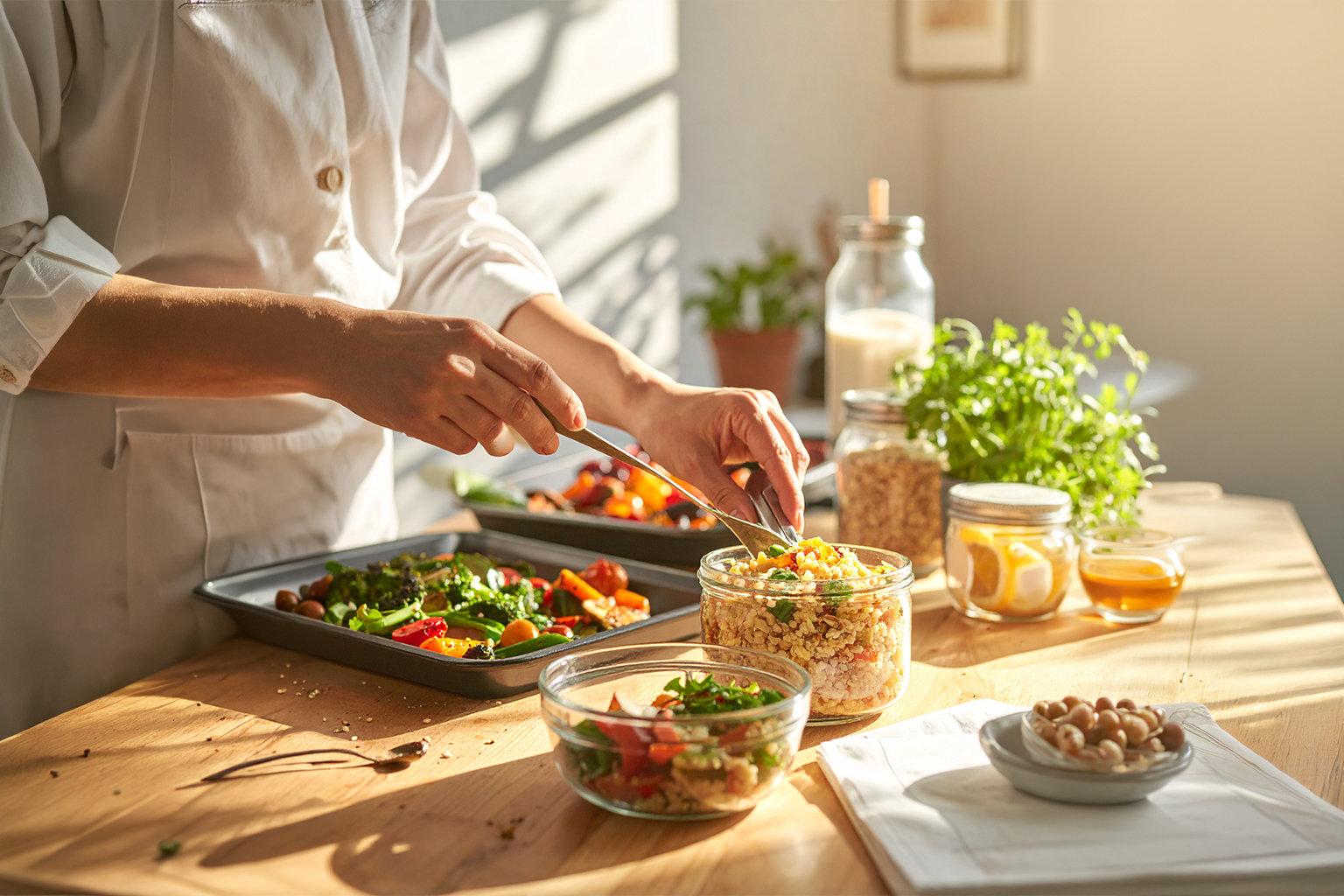
Stock a set of reliable pantry and fridge staples that combine easily into meals: grains, canned tomatoes, beans, versatile oils, and a few favorite spices. Prep a handful of cooked components at once—roasted vegetables, a pot of grains, or braised beans—and store them for quick assembly. Keep frequently used fresh items visible and at eye level so you actually use them before they spoil. Thoughtful storage and labeling extend shelf life and reduce waste.
Rotate staples and use what you buy by planning dishes around expiring items early in the week. Small, consistent prep sessions pay off during busy nights.
Optimize tools and timing
Work with tools that speed tasks: a sharp knife, a reliable pan, and a fitted sheet pan for roasting simplify many recipes. Use timers and multi-task strategically—start a long roast while you prepare a salad or simmer a sauce while grains cook. Batch cooking on a day off creates components you can recombine into multiple meals. Embrace one-pot and sheet-pan techniques to minimize cleanup and consolidate steps.
Invest time early to learn a few techniques that multiply your efficiency later. Simple tool choices and timing habits make busy evenings smoother and more predictable.
Choose flexible recipes
Favor recipes that tolerate substitutions so you can swap ingredients based on what’s on hand. A core dressing, sauce, or spice blend can transform leftovers into fresh plates. Keep a short list of go-to recipes that you can execute confidently; repetition builds speed and taste memory. Experiment with variations gradually to discover combinations you enjoy without overcomplicating the process.
Over time, your repertoire will expand naturally and become easier to manage. Flexibility in recipes reduces pressure and makes everyday cooking more enjoyable.
Conclusion
Small systems—planning, smart ingredients, effective tools, and adaptable recipes—multiply into big time savings. Start with one habit and let it become the foundation for others, building toward a reliable, enjoyable cooking routine. With consistent, modest changes you can simplify daily meals while keeping flavor and variety.

