
Weeknight cooking can feel rushed without a clear plan and an orderly space. Small changes to layout, storage, and routine make a big difference in how quickly meals come together. This article outlines practical organization strategies that reduce decision fatigue and wasted time. Adopt a few habits and you’ll find evenings less stressful and more enjoyable.
Assessing Your Space and Tools
Start by evaluating how you move through your kitchen during a typical meal prep session. Identify high-use zones such as prep, cooking, and plating, and position tools and ingredients to minimize steps between them. Keep the utensils and pans you use most often within easy reach and store specialty items elsewhere to reduce clutter. Regularly purge duplicates and items you rarely use to free up space and make essentials easier to find.
Decluttering and thoughtful placement reduce friction during busy evenings. A small investment in drawer organizers or shelf risers often pays off in daily time savings.
Streamlining Shopping and Prep
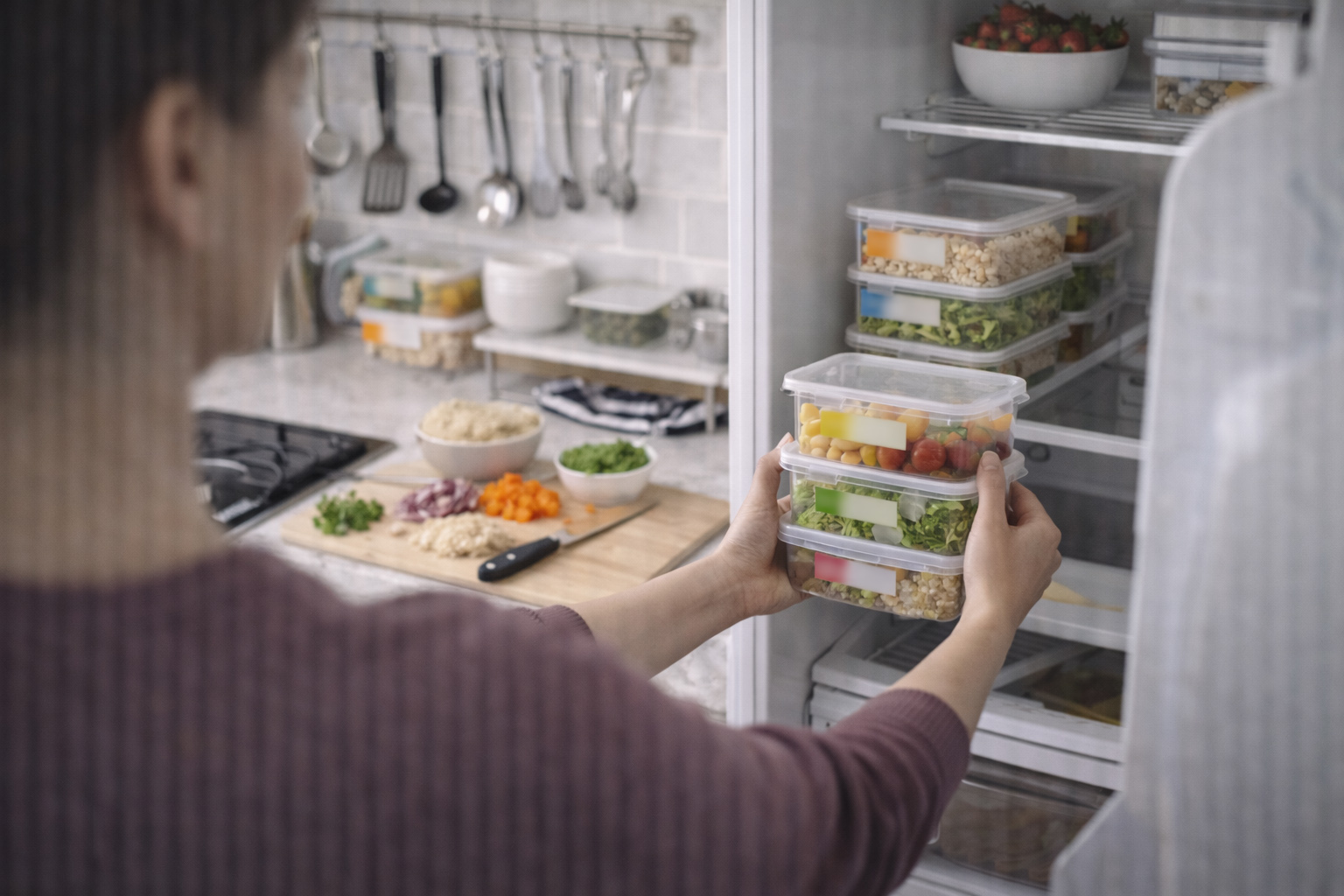
Design a simple shopping system that aligns with your weekly meal plan to avoid impulse buys and last-minute runs. Group your list by category and consider keeping a running list on your phone or a magnetic pad by the fridge to capture needs as they arise. When you return from shopping, dedicate a short block of time to portioning staples, labeling, and storing ingredients in clear containers. Prepping basics like washed greens, chopped onions, and pre-cooked grains transforms chaotic evenings into smooth workflows.
Consistent prep habits shorten the active cooking time and make it easier to combine ingredients creatively without stress.
Cooking Strategies for Weeknight Efficiency
Adopt flexible recipes and multitasking techniques to maximize efficiency while maintaining flavor. Use one-pot methods, sheet-pan dinners, or slow cooker options that require minimal hands-on attention. Batch-cook components such as roasted vegetables or sauces that can be mixed and matched across multiple meals during the week. Time-saving gadgets like a good knife and reliable pans matter more than many specialty appliances.
Building a repertoire of simple, dependable dishes helps you respond to limited time without defaulting to takeout.
Maintaining Order Over Time
Establish brief daily and weekly habits to keep your kitchen organized without large time commitments. A nightly five-minute tidy, weekly inventory check, and monthly declutter session prevent small issues from becoming overwhelming. Involve household members by assigning easy, consistent tasks so responsibilities are shared. Small, repeatable actions sustain the efficiency gains you create upfront.
Consistency is the key to long-term improvement. Over time, these habits reduce stress and make weeknight cooking a reliable part of your routine.
Conclusion
Organizing for efficiency combines smart layout, simple prep, and practical cooking choices.
Small, repeatable habits prevent chaos and save time each evening.
With modest effort you can make weeknight meals quicker and more enjoyable.

