
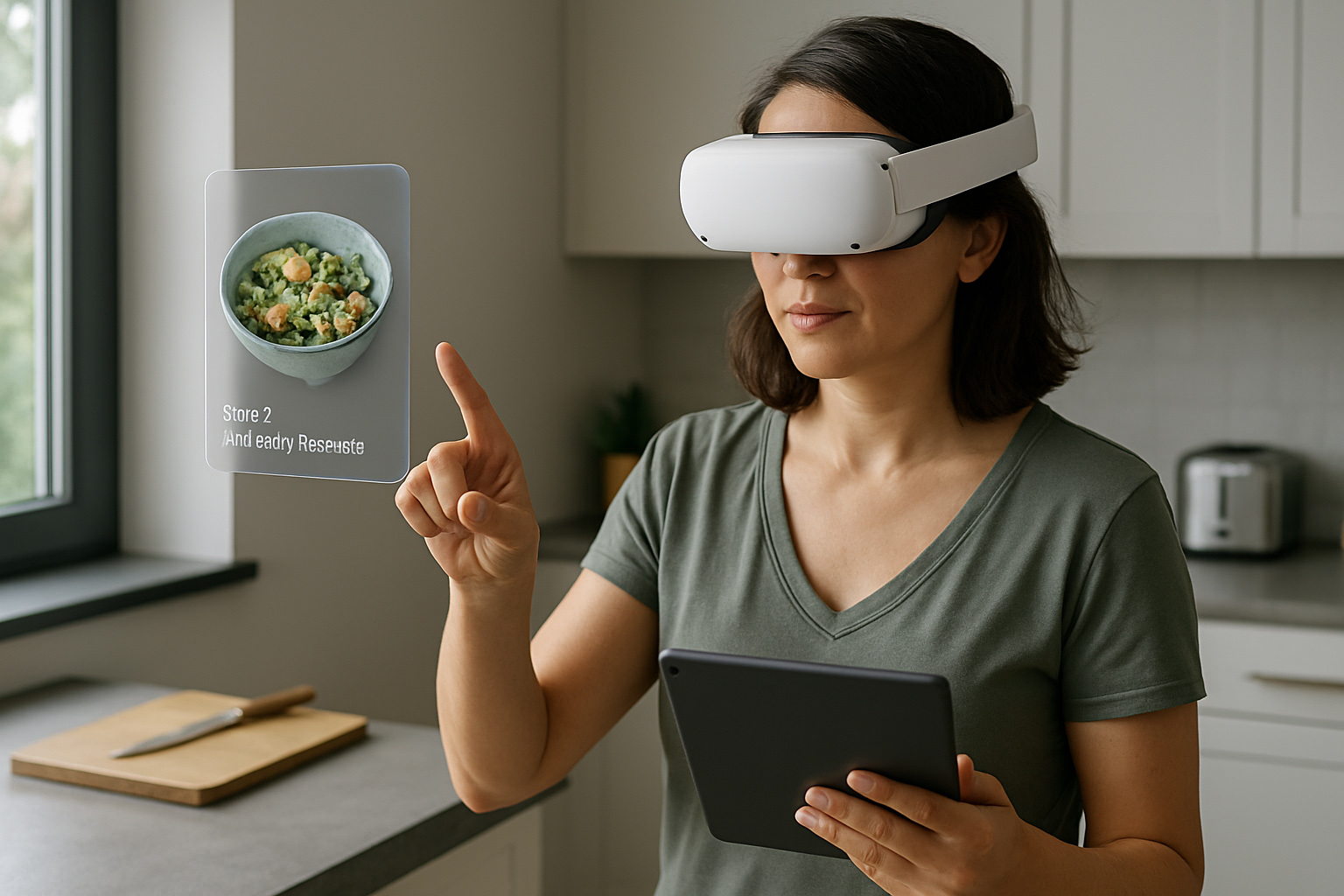
Spatial computing is reshaping everyday life by blending digital information with the physical world. Instead of interacting with apps only on screens, people can now view information, tools, and virtual objects directly within their surroundings. This new way of experiencing technology makes home routines more intuitive, interactive, and visually immersive, especially as devices become more advanced and accessible.
Creating Interactive Home Experiences
With spatial computing, everyday apps can appear as floating 3D elements around the home. A recipe can hover near your kitchen counter while you cook, a shopping list can appear beside your pantry, and reminders can pop up near your front door. These virtual overlays make common tasks easier and more natural by placing information exactly where it’s needed. Instead of switching between screens, people engage with digital elements that blend seamlessly into real space.
Enhancing Planning and Visualization
One of the biggest advantages of spatial computing is how it helps with planning and visualizing changes in the home. Furniture apps let you place true-to-size virtual couches, lamps, or shelves in your living room before buying them. Navigation tools can project directions onto the floor, while home-improvement apps allow you to preview paint colors or layout changes with incredible accuracy. These realistic simulations help people make confident decisions without guesswork.
Supporting Learning and Entertainment
Spatial computing also elevates learning and entertainment. Educational apps can turn a living room into an interactive science lab or a historical exhibit. Fitness apps can project 3D trainers who guide workouts with real-time feedback. Entertainment experiences feel more immersive too, from life-size characters to dynamic holographic effects that interact with the environment. These features make everyday activities more engaging and enjoyable.
Making Daily Life Smarter
As spatial computing tools evolve, household apps will become even more personalized. They can adapt to routines, recognize objects in the room, and anticipate needs based on context. From energy monitoring in 3D to virtual assistants that appear as holographic companions, the possibilities for smarter homes continue to expand. This technology makes interactions smoother, faster, and more intuitive.
Conclusion
Spatial computing is transforming how people interact with digital tools at home. By bringing apps into 3D space, it adds clarity, convenience, and creativity to everyday routines. As more devices support these experiences, spatial computing will become a natural part of daily life, turning ordinary moments into immersive, helpful, and visually rich experiences.

