
Everyday cooking can be efficient without feeling rushed or bland. With a few deliberate habits you can reduce prep time, minimize waste, and enjoy better meals. This article offers practical approaches that blend planning, technique, and smart use of tools. Adopt strategies that fit your schedule and taste so cooking becomes easier and more satisfying.
Planning Meals Around Time and Ingredients
Start by assessing how much time you have each day and choose recipes that match those windows. Batch similar tasks—like chopping vegetables or cooking grains—so you can reuse components across meals. Use a simple weekly plan that rotates a few favorite dishes with seasonal produce to keep variety high and decision fatigue low. Shopping with a short list informed by that plan cuts impulse buys and reduces the chance of food waste.
A small investment in planning pays off in faster weeknights and fresher ingredients. Start with a two-day plan and expand as habits become routine.
Smart Prep Techniques
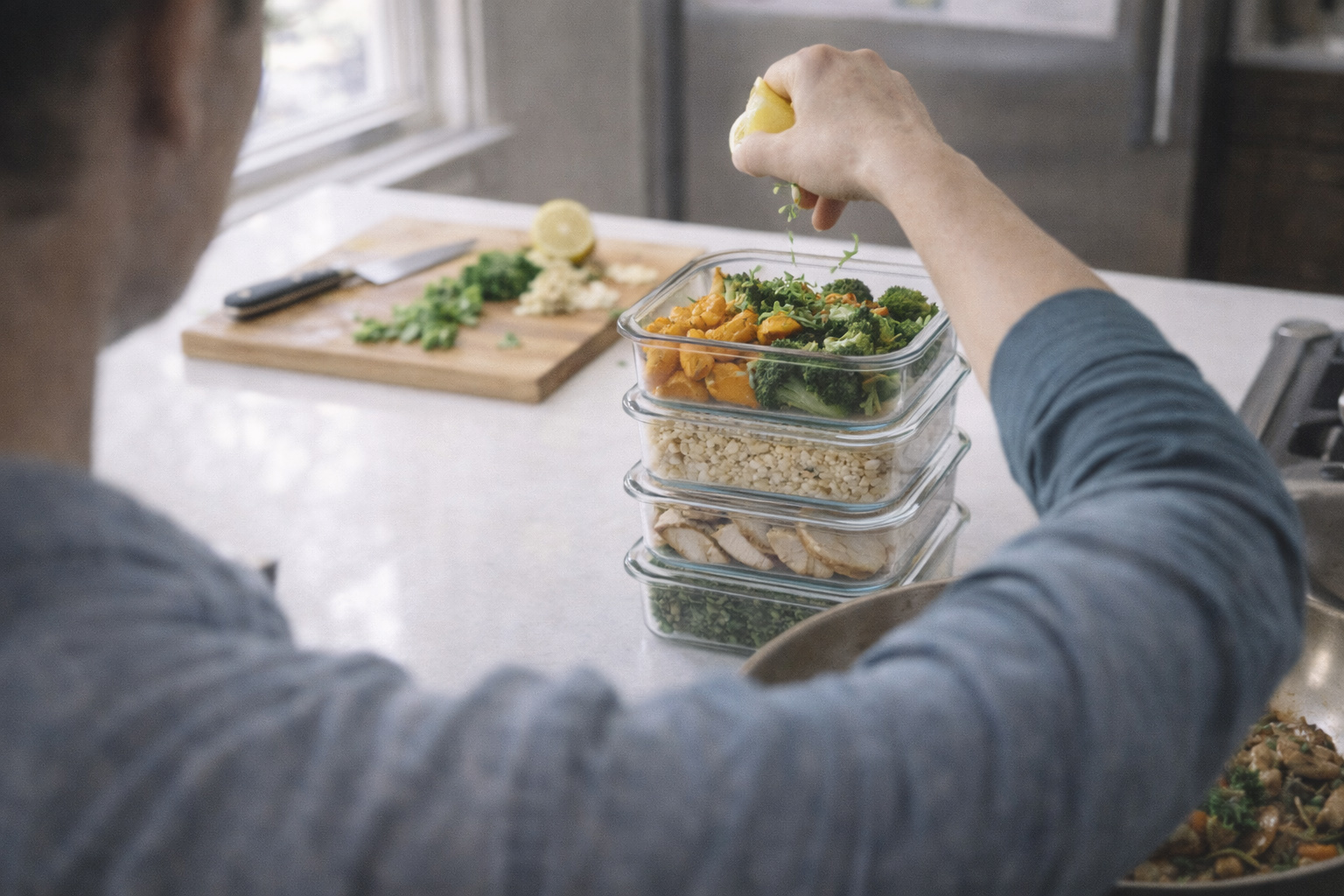
Efficient prep hinges on organizing your workspace and tools before you begin. Mise en place—getting ingredients measured and arranged—saves time and prevents mistakes. Cook versatile bases like roasted vegetables, grains, or a simple protein that can be transformed into different meals. Clear containers and labeled portions help you see what’s available and reduce last-minute decisions.
Invest a little time on a weekend to prep components that speed up weekday cooking. Consistent prep frees mental energy for seasoning and presentation rather than last-second scrambling.
Maximizing Flavor Without Extra Effort
Flavor often comes from technique rather than complicated recipes. Use salt at different stages, toast spices briefly, and finish dishes with acid or fresh herbs to brighten flavors. Searing proteins well and letting them rest concentrates taste and improves texture. Layering simple sauces or dressings can transform leftovers into appealing new meals.
Learn a handful of go-to flavor boosters that suit your palate. Small adjustments can elevate a dish without adding preparation time.
Tools and Storage Tips
Select a few reliable tools that speed prep: a sharp chef’s knife, a quality cutting board, and a dependable pan. Proper storage extends shelf life—use airtight containers and cool food before refrigerating to maintain texture. Label leftovers with dates and rotate older items to the front so nothing is forgotten. Invest in stackable containers to save space and make grab-and-go lunches easier.
Good tools and clear storage habits reduce frustration and make home cooking more predictable. A small cabinet of essentials is more valuable than a crowded drawer of single-use gadgets.
Conclusion
Streamlining cooking is about consistent choices and small investments in time and tools. With planning, smart prep, and simple flavor techniques you can cook more at home and enjoy better meals. Start with one change this week and build momentum from there.
