
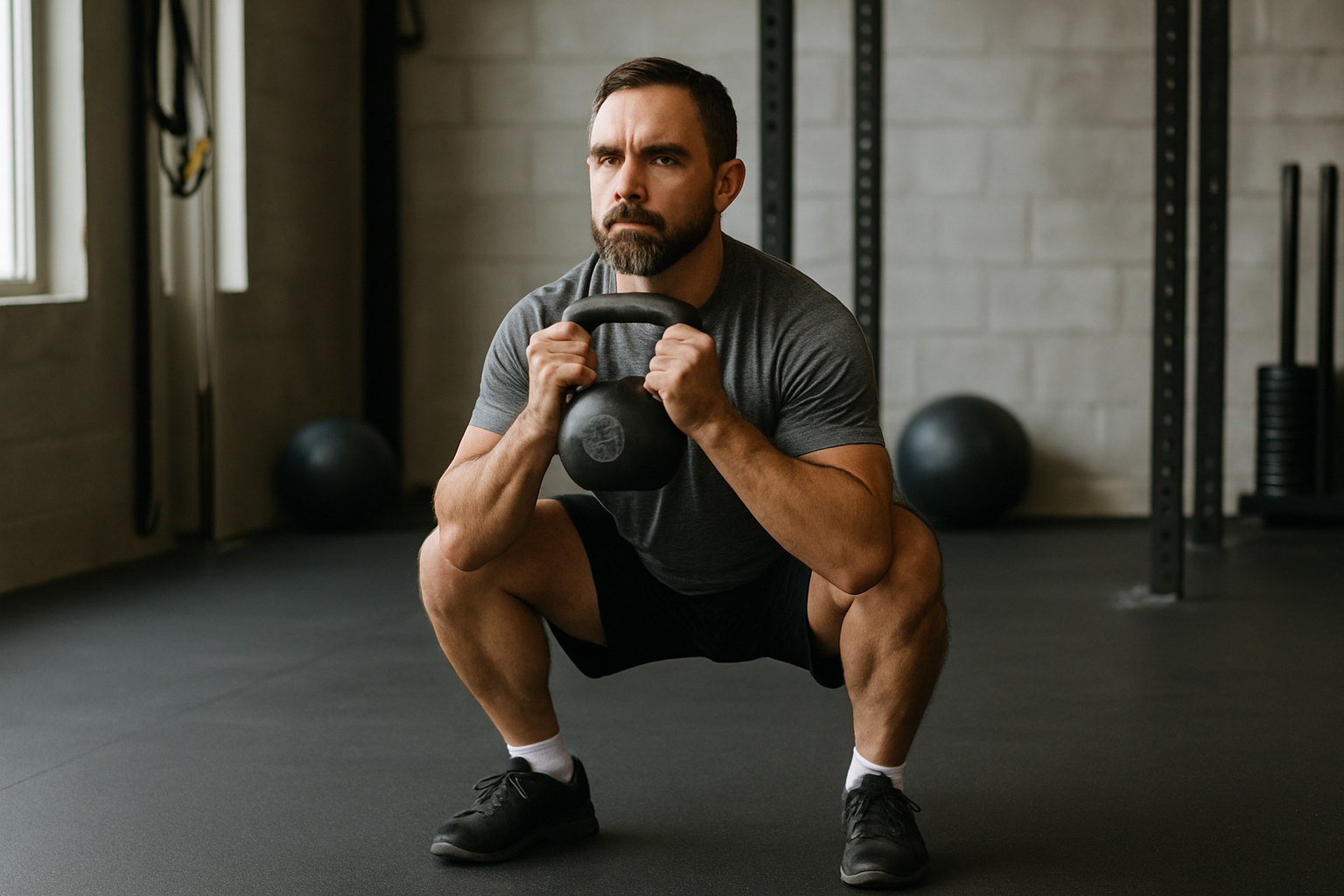
Functional movements focus on strengthening the body in ways that support real-life activities. Instead of isolating muscles, these exercises train multiple muscle groups at once, building coordination, balance, and practical strength. Whether lifting groceries, climbing stairs, or playing with kids, functional training prepares the body to move with ease. It’s a simple, effective approach that improves everyday performance and helps prevent injuries.
Strength That Supports Daily Life
The purpose of functional training is to help the body handle real-world tasks more efficiently. Movements like squats, lunges, and deadlifts mimic everyday actions such as bending, sitting, and lifting. By training natural movement patterns, individuals gain strength that carries into daily routines. This type of exercise helps make ordinary actions feel easier, more stable, and more controlled.
Engaging Multiple Muscle Groups
Unlike traditional exercises that focus on one muscle at a time, functional movements activate several muscle groups simultaneously. This creates a more balanced workout that improves overall stability and coordination. Movements like kettlebell swings, step-ups, and push-ups challenge the core while strengthening the upper and lower body. The result is a more integrated approach to fitness that supports long-term strength.
Improving Balance and Mobility
Functional training also emphasizes mobility and balance—two key elements of healthy movement. Exercises like planks, single-leg deadlifts, and rotational twists help the body move fluidly and maintain stability in different positions. Better balance reduces the risk of falls, while improved mobility allows for fuller, more comfortable movement. These benefits are valuable for people of all ages and fitness levels.
Preventing Injuries Through Better Movement
Many injuries happen when the body is unprepared for sudden or awkward motions. Functional movements train the muscles, joints, and connective tissues to work together smoothly. Strengthening these areas reduces strain and improves alignment, protecting the body during unexpected movements. Functional training often becomes a long-term strategy for staying active and injury-free.
Conclusion
Functional movements build practical strength that supports real-life activities. By improving mobility, increasing stability, and training natural movement patterns, individuals become stronger and more confident in daily routines. Functional training is simple, effective, and accessible—making it one of the most valuable approaches to lifelong fitness.

