
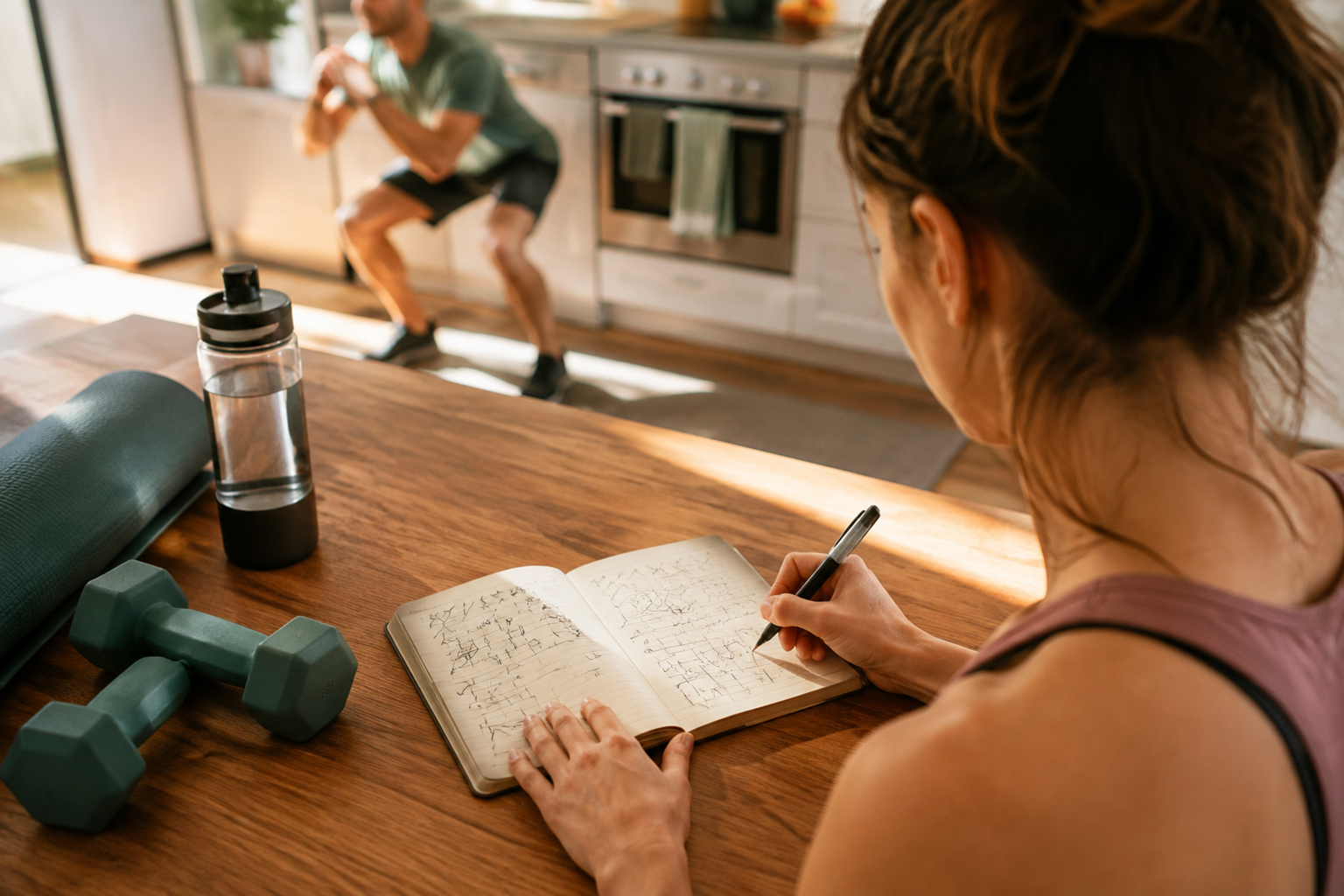
Staying active amid shifting days and priorities is one of the biggest barriers to consistent fitness.
Small, adaptable practices make it easier to preserve progress when schedules fluctuate.
This article outlines pragmatic methods to align workouts with real life while preserving recovery and motivation.
You will find clear steps to assess time, design short sessions, and iterate based on results.
Assess Your Time and Priorities
Start by mapping realistic windows in your typical week and noting nonnegotiable commitments. Identify two to three time blocks you can reliably dedicate to movement, even if they are only ten to twenty minutes long. Consider which goals matter most—strength, endurance, mobility, or stress relief—and prioritize sessions that serve those aims. This upfront clarity prevents decision fatigue and keeps your plan practical.
Keep the initial plan simple so you can execute it consistently without needing perfect conditions. Treat these blocks as appointments with yourself to protect them from distractions. Adjust the timing rather than canceling entirely when unexpected events occur.
Design Short Effective Sessions
When time is limited, focus on high-impact formats that combine intensity and purpose. Circuit-style strength movements, interval cardio, and focused mobility sequences each deliver measurable benefits in small doses. Select compound exercises that work multiple muscle groups and pair them with short rests to maximize results. Keep equipment minimal so sessions are easier to start whether you are at home, outdoors, or traveling.
- Strength circuit: 3 rounds of squats, push variations, and rows.
- Cardio interval: 20 seconds hard, 40 seconds easy for 10–15 minutes.
- Mobility flow: 10 minutes of dynamic stretches and controlled breathing.
Rotate these formats across the week to balance adaptation and recovery without overcommitting. This variety reduces monotony and helps maintain long-term adherence.
Track Progress and Adjust
Measure simple, relevant metrics such as session frequency, perceived effort, and one or two performance markers. Weekly notes about how you feel, sleep quality, and soreness give context that raw numbers miss. Use short cycles—two to four weeks—to experiment with load, volume, and timing, then iterate based on what sustained results. Small, consistent improvements compound faster than sporadic maximal efforts.
Build feedback loops that are easy to maintain: a quick log entry after each session or a weekly review works well. When life gets busier, scale down rather than stop, and re-expand when time returns.
Conclusion
Practical fitness comes from planning realistic time windows and choosing efficient session formats.
Track a few meaningful metrics and use short cycles to refine your approach.
Consistency and adaptability are the clearest paths to steady progress.
