
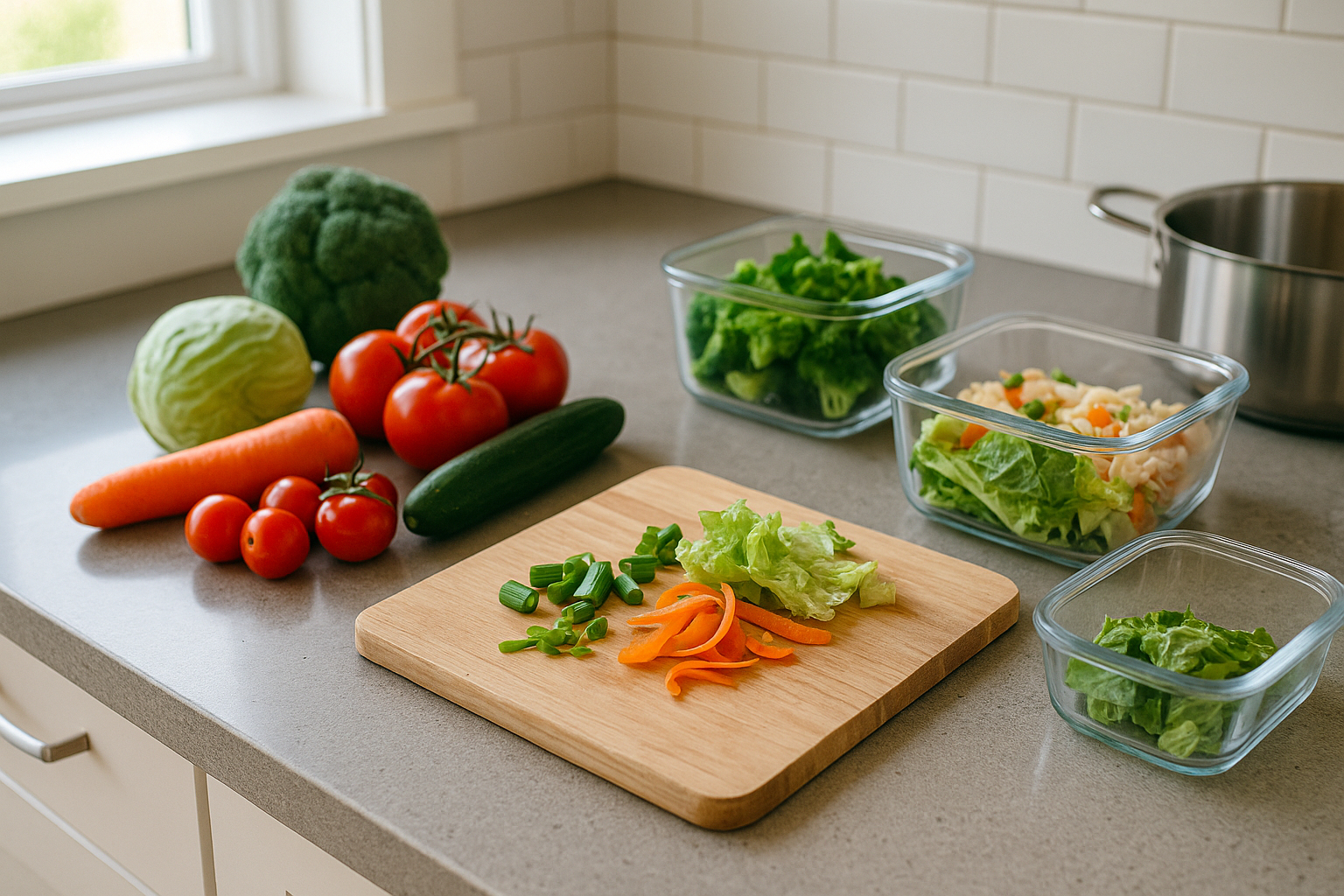
Food waste is one of the biggest challenges households face, often without realizing its long-term impact. From forgotten produce in the fridge to oversized meal portions, small habits can lead to significant waste. Sustainable cooking offers a practical way to reduce that waste while saving money and supporting a healthier planet. With a few intentional changes, families can transform how they shop, cook, and store food—creating a kitchen that is both efficient and environmentally conscious.
Understanding What Causes Food Waste at Home
Most food waste comes from everyday routines. Overbuying during grocery trips, improper storage, and lack of meal planning all contribute to spoiled or unused ingredients. Leftovers often get pushed to the back of the fridge, where they go unnoticed until it’s too late. By understanding these patterns, you can make more mindful choices about what you purchase and how you use it. Awareness is the first step toward meaningful reductions in household waste.
Smart Planning and Thoughtful Shopping
Sustainable cooking begins before you even turn on the stove. Planning meals for the week, checking what you already have, and creating a focused shopping list can drastically cut waste. Choosing ingredients that work across multiple meals adds flexibility and reduces spoilage. Opting for seasonal produce not only supports better flavor but also minimizes environmental impact. Intentional shopping keeps your kitchen organized and maximizes the value of every ingredient.
Cooking Techniques That Minimize Waste
A sustainable kitchen uses ingredients to their fullest potential. Vegetable stems, skins, and scraps can be transformed into broths, sauces, or even snacks. Repurposing leftovers into new dishes—like stir-fries, soups, or wraps—keeps meals exciting while reducing waste. Batch cooking and portion control help eliminate uneaten food. Every decision to repurpose or creatively reuse ingredients contributes to a more efficient kitchen.
Proper Storage for Freshness and Longevity
Understanding how to store food correctly can significantly extend its life. Using airtight containers, storing produce in the right humidity, and freezing items near expiration ensures that less food goes to waste. Labeling containers with dates keeps your fridge organized and prevents forgotten items from spoiling. With small adjustments, storage becomes a powerful tool for sustainability.
Conclusion
Sustainable cooking isn’t just about reducing waste—it’s about creating a thoughtful, efficient kitchen that benefits your household and the environment. By planning well, cooking creatively, and storing food properly, you can make a meaningful impact while enjoying delicious meals.

