
Consistent habits in the kitchen turn sporadic effort into reliable, tasty results.
Small routines reduce stress during busy evenings and make it easier to adapt when plans change.
This article explains practical, low-friction habits you can adopt tonight and refine over time.
Each habit aims to save time, cut waste, and keep flavor and quality high.
Set Up a Consistent Prep Routine
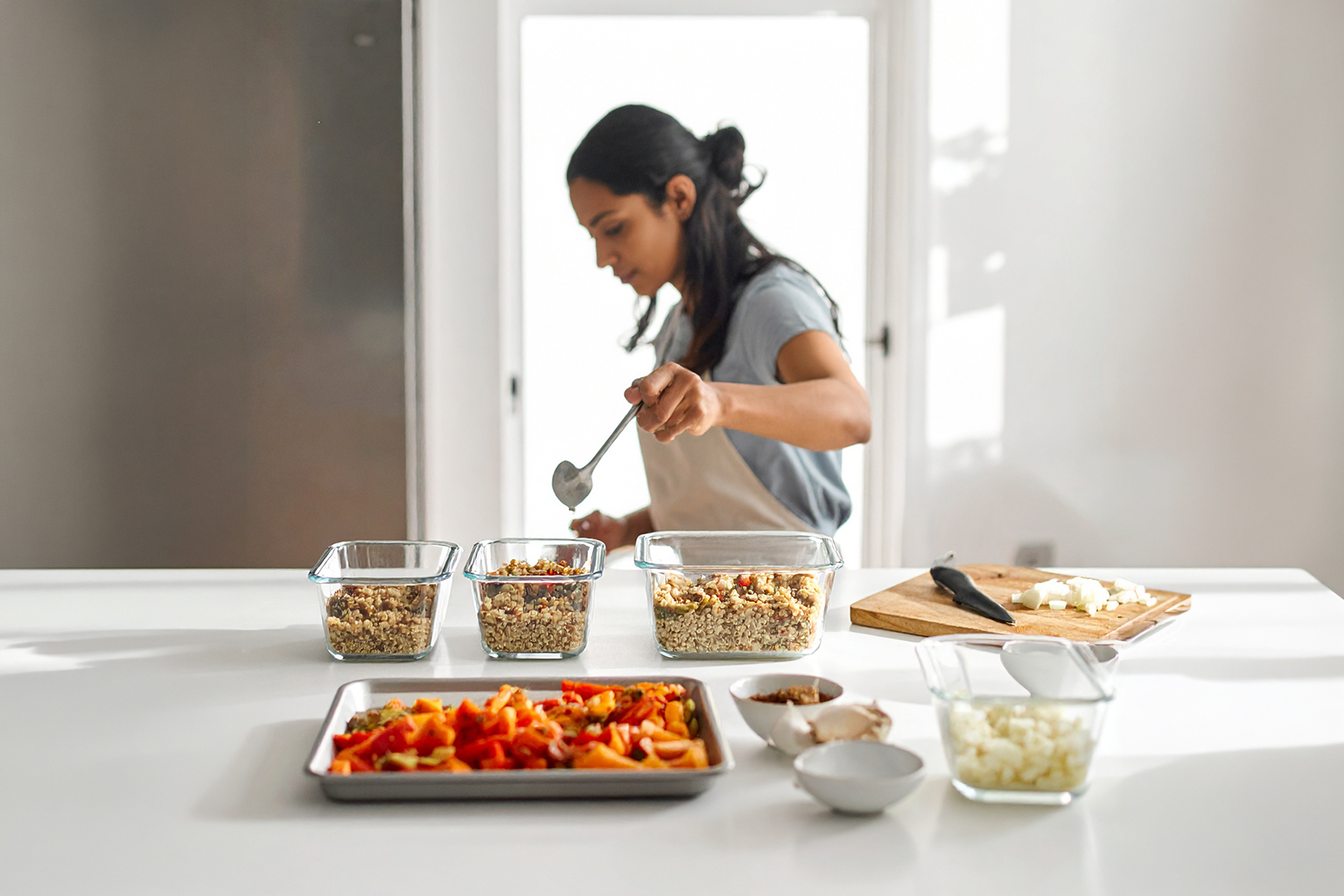
Start by carving out a short planning window before shopping or cooking. Decide proteins, two complementary sides, and a simple sauce or spice profile so choices are limited but flexible. Adopt a short mise en place habit: rinse, chop, and measure ingredients for the most time-consuming components. This upfront investment shortens active cooking and reduces stops and starts. Schedule a quick weekly review of the plan to adjust based on leftovers or new tastes.
- Plan three simple meal templates to rotate through the week.
- Batch cook grains and proteins for quick assembly.
- Prep versatile aromatics, like diced onions and minced garlic, ahead of time.
Over time these prep patterns become default and cut decision time. They also make it easier to scale up when hosting or feeding multiple people.
Use Smart Ingredient Habits
Keep a small, reliable set of pantry and freezer staples that pair well with a range of proteins and vegetables. Rotate fresh produce by visibility: use the items needing cooking soonest for that night’s meal and freeze the rest. Practice simple preservation habits like blanching and freezing herbs, or portioning cooked grains into single servings. These steps reduce waste and keep the evening workflow predictable. Label frozen portions with dates to keep rotation simple and avoid unpleasant surprises.
- Staples: canned tomatoes, basic grains, and versatile condiments.
A stable ingredient set makes spontaneous meals satisfying. It reduces last-minute shopping runs.
Optimize Time and Tools
Identify a handful of reliable tools you use most and keep them accessible: a sharp chef’s knife, a heavy pan, and a sheet tray for roasting. Use multitasking techniques like starting long-roast items first and using downtime to prep salads or sauces. Time-saving appliances are useful when they are intentionally integrated into the routine rather than used sporadically. Keep cleanup simple with soapy water in the sink and a quick wipe-down habit to prevent pileups.
- Keep one good knife and one dependable sheet pan within easy reach.
Small investments in a few tools and clear sequencing shave minutes every night. Habitual cleanup keeps the kitchen ready for the next meal. This approach keeps momentum and reduces evening friction.
Conclusion
Small, consistent habits compound into calmer evenings.
Start with one change this week and build from there.
You will cook faster, waste less, and enjoy the process more.

