
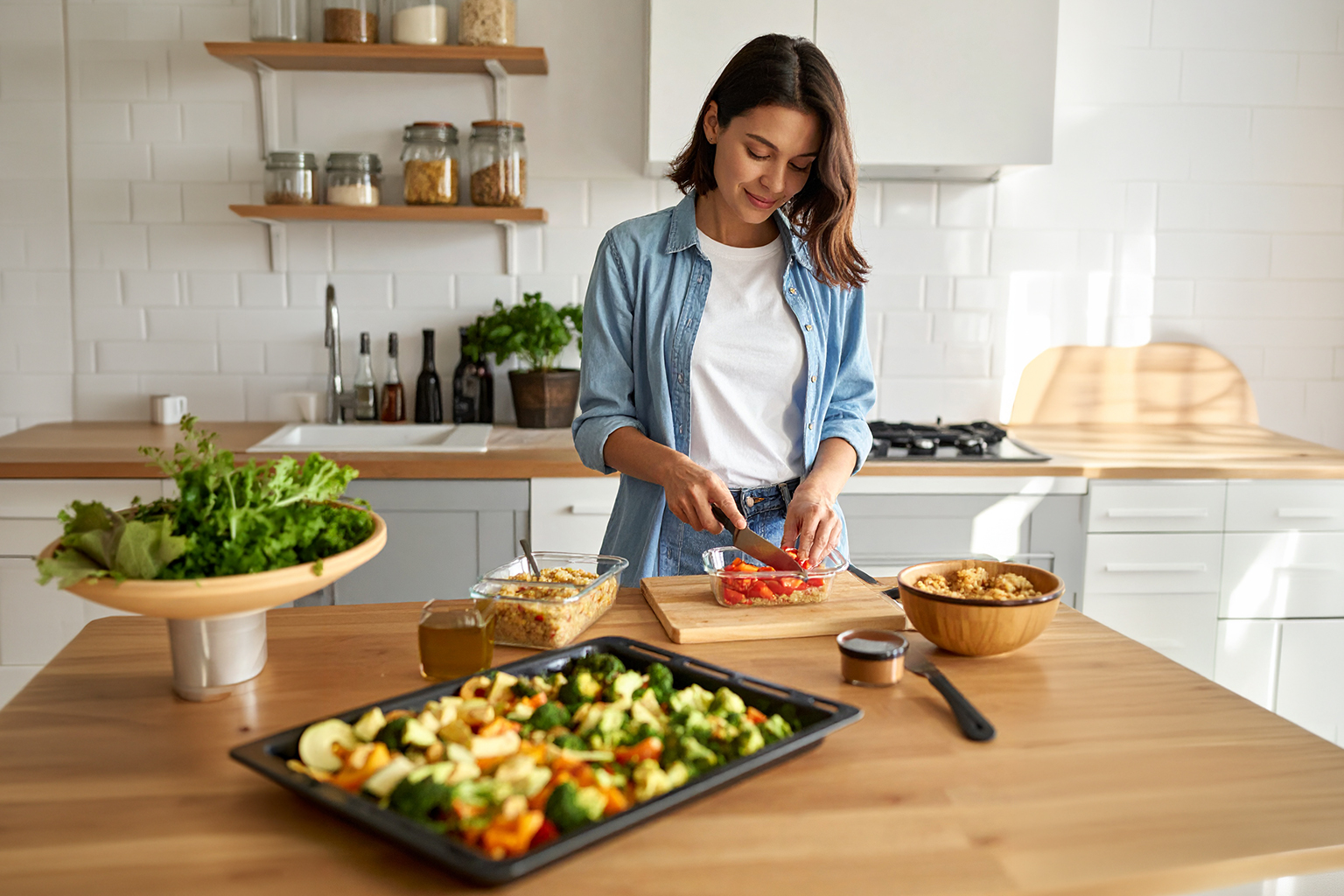
Evening meals can feel chaotic without a simple framework to guide choices and actions. A calm, consistent system reduces decision fatigue, cuts waste, and makes weeknight cooking more enjoyable. Small changes in planning, prep, and kitchen layout compound quickly, freeing time and improving results. This article outlines practical steps you can apply immediately to create a steadier cooking rhythm at home.
These approaches are flexible and designed for busy schedules. They prioritize repeatable patterns rather than elaborate techniques, so you can adapt them to your preferences and pantry. Over time, the system gives you predictable dinners with less stress. Start small and build from there.
Plan with a Simple Weekly Framework
Begin by mapping meals into a few repeatable categories: quick proteins, one-pan dinners, vegetable-forward nights, and leftovers. Limit weekly recipes to a small rotation to reduce grocery complexity and decision time. Reserve one flexible night for improvisation so you can use what’s on hand without pressure. This structure keeps variety while making choices faster.
Batch a short grocery list each week that aligns with your categories. Buying predictable staples and a few fresh items keeps your pantry ready for multiple dishes. A modest plan increases the chance you’ll cook rather than order takeout.
Develop Short, Consistent Prep Rituals
Adopt a few small rituals that you repeat each evening or on a prep day: chop staples, roast a tray of vegetables, or cook a grain in bulk. Break tasks into 10–20 minute chunks that fit into your routine so prep doesn’t feel overwhelming. Use timers and set realistic windows for each step to keep momentum. These rituals transform prep from a chore into reliable habits.
- Pre-wash and store salad greens for quick sides.
- Portion proteins for faster thawing and cooking.
- Keep a basic sauce or dressing ready to elevate simple dishes.
Over time these small rituals build a library of ready elements that speed evening assembly. Consistency matters more than complexity.
Organize Tools and Pantry for Flow
Arrange frequently used tools and ingredients within easy reach of your main cooking area to reduce interruptions. Group items by task—cutting, cooking, seasoning—so you can move through steps without searching. Label shelves or use clear containers to see quantities at a glance and avoid duplicate purchases. A tidy, predictable space supports faster, calmer cooking.
Invest in a few multi-use tools that simplify common tasks rather than dozens of single-purpose gadgets. Maintaining this setup takes minutes each week and pays back time during busy nights.
Conclusion
Creating a calm, consistent weeknight cooking system is about small, repeatable choices that reduce friction. Start with a simple plan, build short prep rituals, and organize your space so cooking becomes smoother. With steady application these habits make home meals easier and more satisfying.

