
Establishing a steady evening cooking routine transforms chaotic dinners into predictable, satisfying meals.
Start with small, consistent actions that fit your lifestyle and kitchen layout.
Over time those actions reduce decision fatigue and free up time for flavor and connection.
This approach helps home cooks feel more confident and less rushed at dinnertime.
Set a Simple Weekly Menu
Choose a handful of reliable meals you enjoy and rotate them across the week to cut planning overhead and grocery stress. Planning a template—protein-focused nights, a vegetarian option and a flexible pasta or grain dish—simplifies choices and makes shopping faster. Keep a short, evolving list of go-to recipes that use similar ingredients to reduce waste and increase familiarity. Allow one open night for leftovers or creativity so the routine stays flexible and avoids burnout.
Start with three to five repeatable dinners and refine them over a few weeks. This steady menu backbone reduces mental load and helps you shop smarter.
Prep Smart, Not Hard
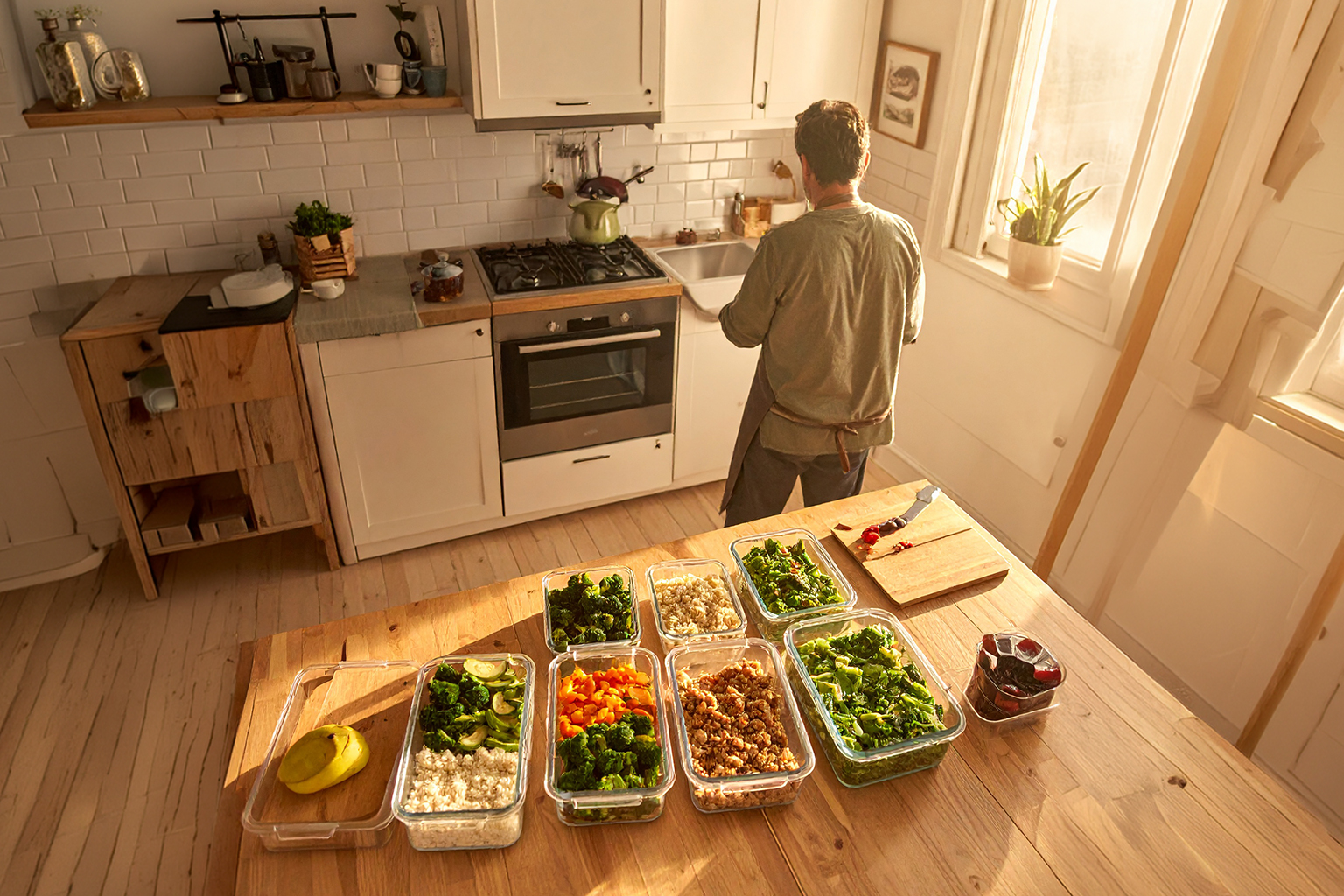
Focus on targeted prep tasks that save time during the busiest moments rather than trying to do everything at once. Chop vegetables, cook grains, and pre-portion proteins when you have a spare 20–30 minutes, such as after breakfast or during a break. Use simple storage strategies—clear containers, labeled bags, and portioned ingredients—so assembly is quick and intuitive. Small prep routines that fit into daily rhythms compound into significant evening time savings.
Prioritize the few tasks that most often create bottlenecks, and make them a regular habit. Incremental prep preserves flavor and keeps the kitchen manageable.
Maintain a Tidy Workflow
Arrange your counter and tools so the most-used items are within reach and cleanup is straightforward to perform between steps. Keep a small zone for active cooking, a dedicated prep area, and an easy-to-access dish collection spot to reduce cross-traffic and inefficiency. Adopt quick cleaning moves—wipe as you go, soak pans early, and run a short reset when meals are done—to prevent end-of-day overwhelm. A predictable, tidy workflow makes it easier to focus on cooking instead of cleaning up mid-recipe.
Consistent layout and simple cleanup habits cut friction and make evening cooking feel less like a chore. Over time these small design choices support faster, calmer meals.
Conclusion
Small, targeted routines around planning, prep, and layout steadily improve evening cooking. Adopt habits that match your schedule and refine them until they feel natural. A consistent approach turns weekday dinners into a reliable, enjoyable part of home life.

