
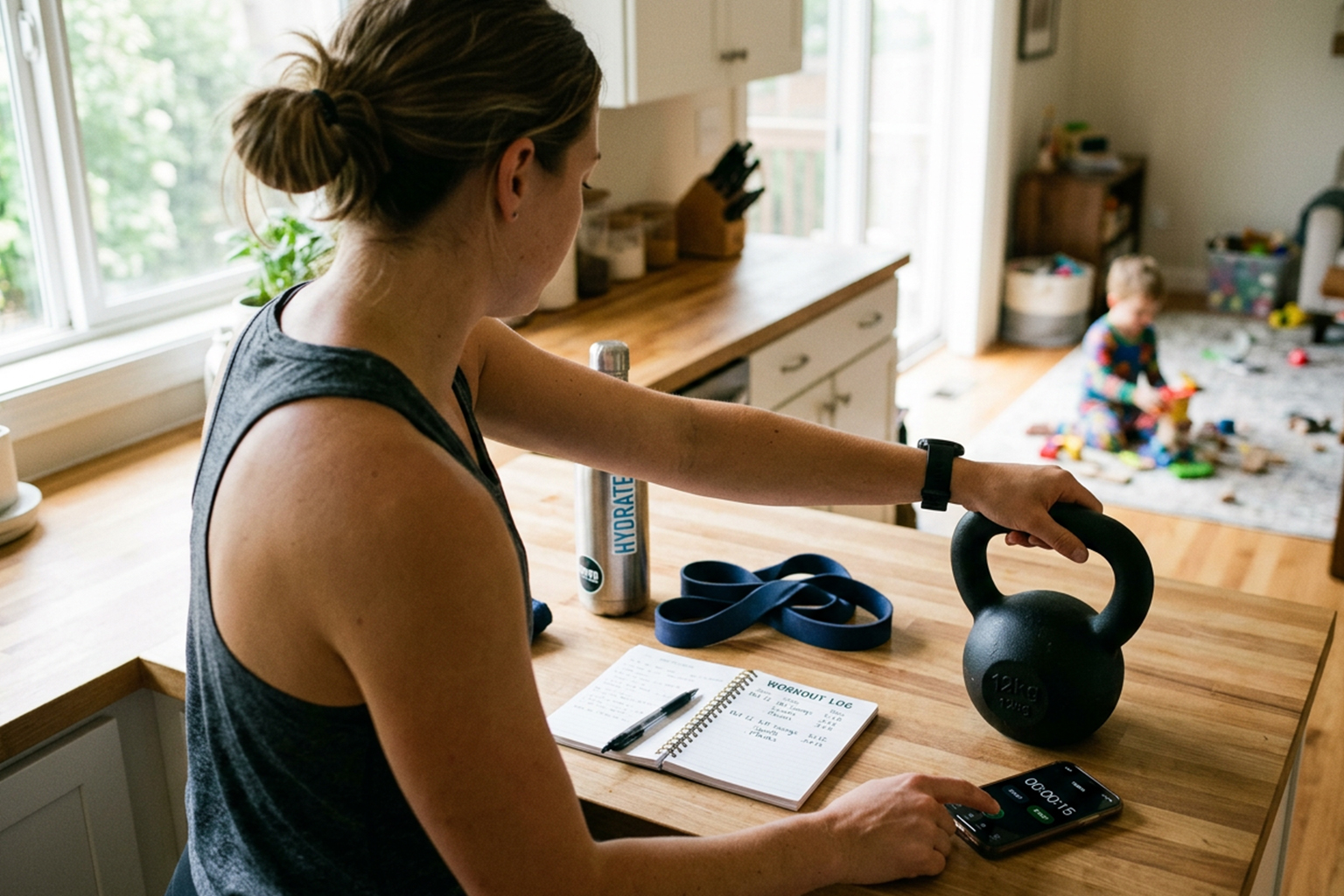
Long-term fitness relies less on grand gestures and more on daily design choices that you can repeat. Small, intentional adjustments to how you plan workouts, recover, and track progress create momentum without burnout. This article outlines a practical approach to crafting incremental habits that respect time, energy, and real life constraints. Read on for simple structures and tools that make movement and strength-building reliably doable.
Start with realistic expectations and focus on process over immediate outcomes to build a foundation that lasts.
Why incremental habits outperform big plans
When a program demands sudden large time or intensity commitments, adherence often collapses once novelty wears off. Incremental habits reduce friction by lowering the activation cost: shorter sessions, predictable timing, and clear minimal goals. These elements protect motivation by guaranteeing success and reinforcing identity—small wins accumulate into meaningful progress. Consistency compounds, so tiny improvements done frequently often beat sporadic, intense efforts.
- Choose actions that take less than 15 minutes to start.
- Prioritize frequency over duration early on.
- Anchor sessions to existing daily routines.
By keeping early commitments tiny and specific, habits are easier to maintain and scale as confidence and capacity grow.
Planning flexible mini-sessions for real schedules
Design short, adaptable workouts that focus on core movement patterns: push, pull, hinge, squat, and loaded carry variations. Create several 10–20 minute templates you can rotate based on the day—strength, mobility, or conditioning—so a missed long workout doesn’t derail the week. Build rules of thumb (for example: if you have 10 minutes, do a full-body circuit; if 20, include a strength focus) to remove decision fatigue. This system keeps training resilient to travel, late meetings, or family demands.
Flexibility paired with structure preserves consistency while still moving you toward measurable outcomes.
Tracking, feedback, and progressive adjustments
Simple tracking increases accountability and clarifies trends without becoming a chore. Use a compact log—digital or paper—to note session type, perceived effort, and one tangible metric like reps or duration. Review the log weekly to spot plateaus, spikes in fatigue, or wins that deserve replication. Gradual progression can come from adding a rep, increasing load slightly, or tightening rest periods in a controlled way.
Adapt plans based on feedback, prioritizing recovery when necessary and pushing progression when consistency is solid. Over time this creates a data-informed habit loop that scales safely.
Conclusion
Design habits that require low effort but yield frequent wins to make fitness automatic. Keep sessions flexible, track simply, and adjust progressively based on consistent feedback. These practices turn short-term actions into long-term capability.

