
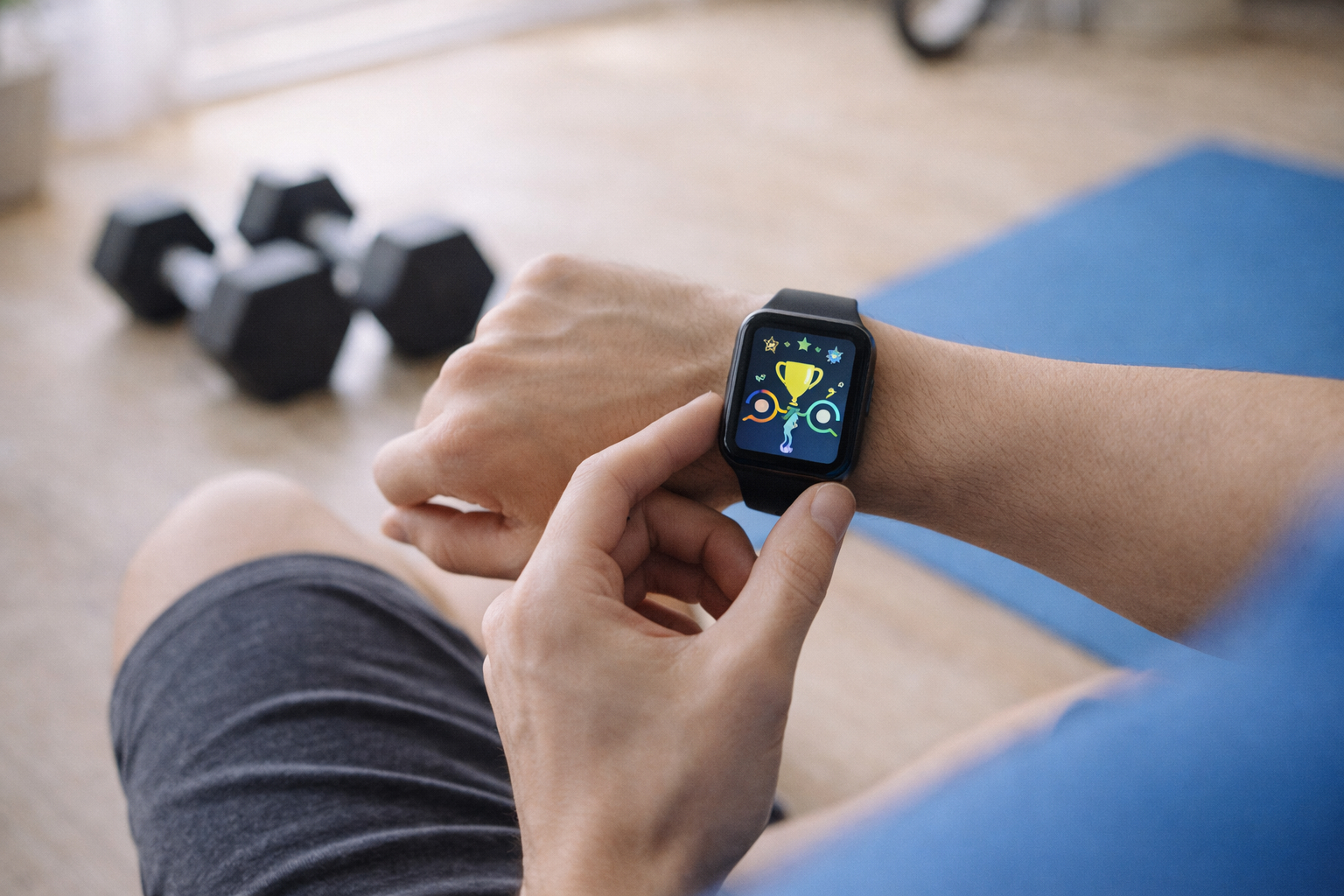
Staying consistent with exercise is often harder than getting started. Motivation fades, routines feel repetitive, and workouts can quickly become chores. Gamifying fitness introduces play, progress, and rewards into exercise, transforming it from an obligation into an engaging experience. By tapping into game mechanics, fitness becomes more enjoyable, sustainable, and motivating over the long term.
Why Gamification Works for Fitness Motivation
Gamification leverages psychological drivers such as achievement, competition, and progress tracking. Points, levels, streaks, and challenges create clear goals and instant feedback, helping individuals stay engaged. When workouts feel like small wins instead of hard tasks, consistency improves naturally. This approach shifts focus from effort alone to progress and enjoyment.
Turning Workouts Into Achievable Challenges
Breaking fitness goals into smaller challenges makes exercise feel less overwhelming. Daily step targets, timed workouts, or weekly milestones provide structure and direction. Visual progress indicators reinforce consistency and show how small efforts add up. These bite-sized challenges encourage regular movement without requiring intense discipline.
Using Technology to Enhance Engagement
Fitness apps, smart devices, and wearables play a major role in gamified exercise. They track performance, offer virtual rewards, and introduce friendly competition through leaderboards or shared goals. Real-time feedback helps users adjust routines while staying motivated. Technology adds variety and accountability, especially for those who struggle with solo workouts.
Social Elements and Friendly Competition
Gamification becomes even more powerful when combined with social interaction. Group challenges, shared achievements, and cooperative goals build accountability and connection. Friendly competition encourages effort without pressure, making fitness a shared experience rather than an isolated task. Social motivation often helps individuals push through plateaus.
Balancing Fun With Long-Term Health Goals
While gamification adds excitement, it should support healthy habits rather than replace them. Sustainable fitness comes from consistent effort, proper recovery, and realistic expectations. Game mechanics work best when aligned with personal goals and physical limits. This balance ensures that fun enhances results instead of distracting from them.
Conclusion
Gamifying fitness transforms exercise into an engaging and rewarding experience. By combining progress tracking, challenges, and social motivation, it supports consistency and enjoyment. When fitness feels fun, staying active becomes a habit rather than a struggle.

