
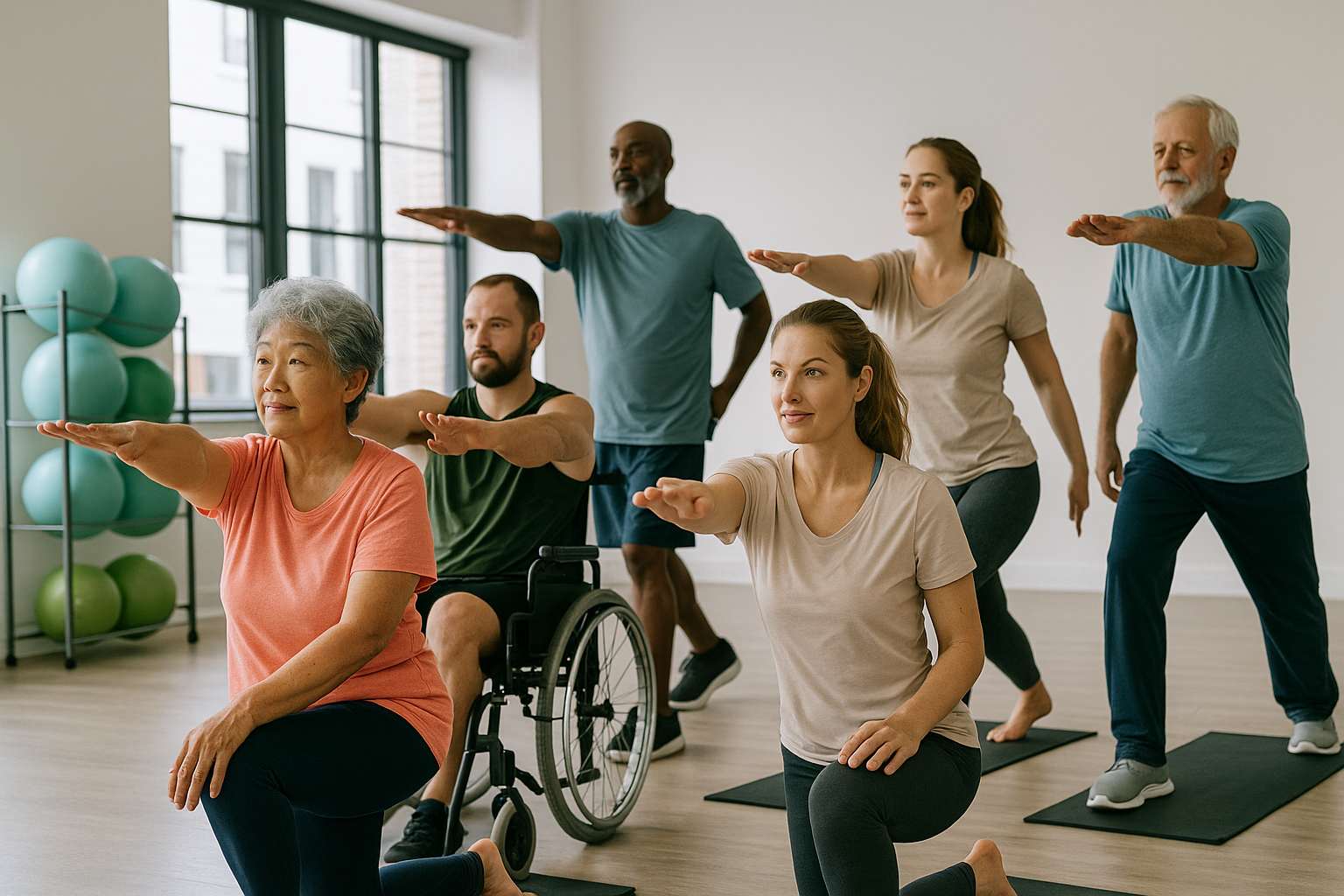
Fitness isn’t a one-size-fits-all concept — it’s a lifelong journey that should be accessible to everyone, regardless of age, ability, or background. The rise of inclusive fitness marks a shift in how we view exercise: from an elite pursuit to an empowering practice designed for all bodies. By focusing on adaptability, inclusivity, and community, fitness is evolving into a movement that celebrates diversity and promotes well-being for everyone.
Redefining What Fitness Looks Like
Inclusive fitness challenges the idea that exercise is only for the young, athletic, or able-bodied. Today’s trainers and wellness experts are designing programs that cater to all demographics — from seniors and people with disabilities to beginners and those recovering from injury.
Modern gyms and wellness centers are integrating adaptive equipment, accessible layouts, and personalized training programs to ensure that everyone feels welcome. From wheelchair-friendly resistance machines to virtual fitness classes with modification options, inclusivity is now at the heart of the fitness industry’s innovation.
Fitness Across Generations
A truly inclusive fitness culture recognizes that each stage of life brings unique physical needs and opportunities:
-
Children and teens benefit from fun, movement-based activities that build coordination and confidence.
-
Adults often focus on strength, endurance, and mental wellness to balance busy lives.
-
Older adults prioritize mobility, balance, and flexibility — vital for maintaining independence and longevity.
Many community centers now offer intergenerational classes, where families can work out together, blending social connection with physical activity. This approach not only promotes health but also strengthens community bonds.
Adaptive Fitness and Accessibility
Advances in adaptive fitness are transforming how individuals with disabilities engage in physical activity. Trainers certified in adaptive exercise techniques are helping people with visual, hearing, or mobility challenges find safe and enjoyable ways to stay active.
Organizations like the Special Olympics and Adaptive Training Foundation are leading this charge, promoting equal access to exercise spaces and fostering confidence through movement. Virtual platforms have also expanded accessibility, allowing people to participate in customized workouts from home.
The Mental Health Connection
Inclusive fitness isn’t just about the body — it’s about the mind, too. Studies show that regular physical activity can reduce anxiety, improve mood, and boost self-esteem. For those who might feel excluded from traditional fitness spaces, inclusive programs offer not only physical benefits but also a sense of belonging and community.
Building a Culture of Inclusion
Creating an inclusive fitness culture requires intentional design — from accessible facilities to diverse representation in marketing. Trainers and gym owners are increasingly being trained in empathy, cultural competence, and adaptive coaching, ensuring that every participant feels seen and supported.
Conclusion
Inclusive fitness is about empowerment, not perfection. It’s about redefining health as something achievable for every body, every age, and every ability. As the fitness industry continues to evolve, the future looks brighter — and more inclusive — than ever before, where movement truly becomes a celebration of human diversity.

