
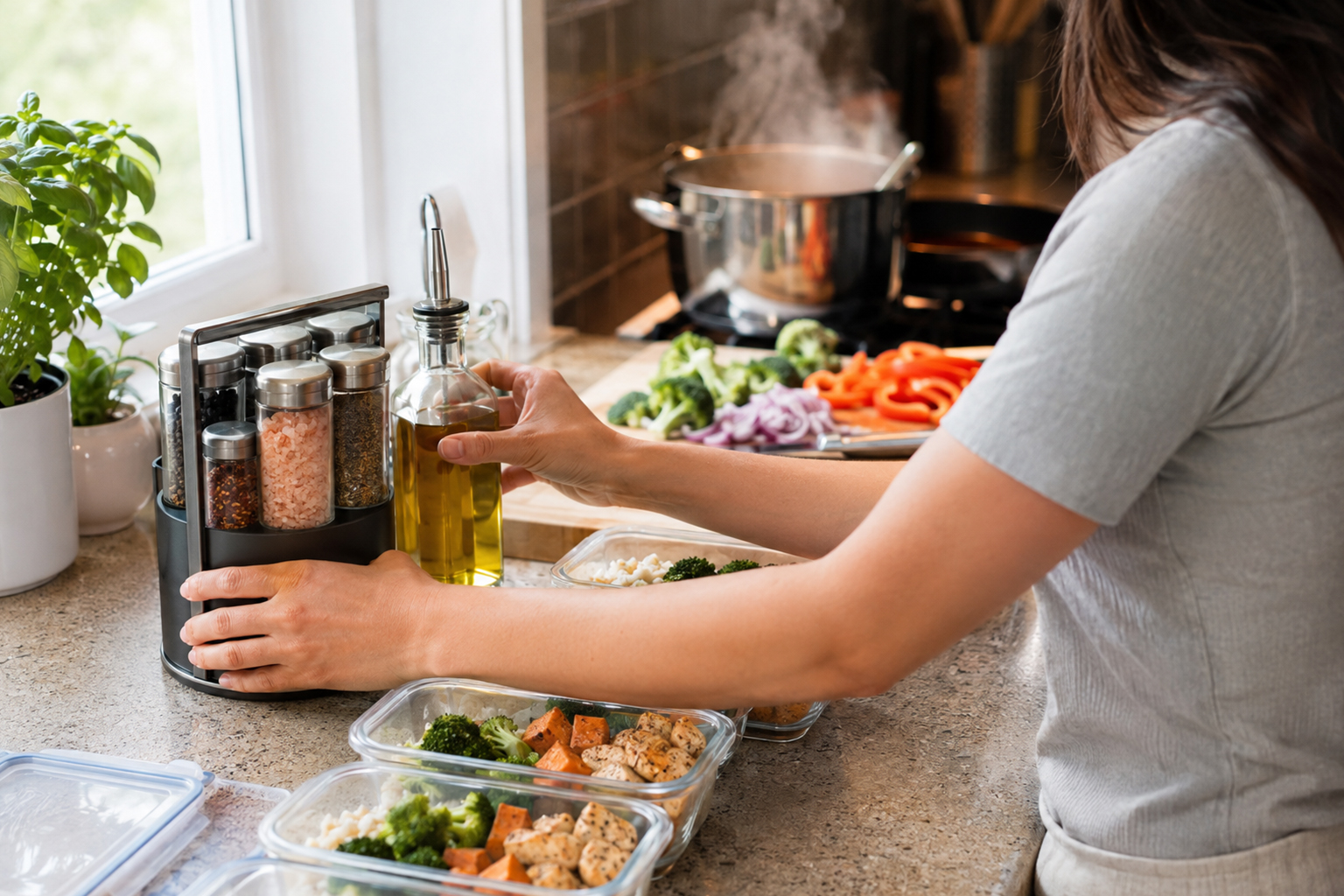
Most home cooks want quicker, calmer evenings without losing flavor or variety. Small adjustments to how you move, prep, and store ingredients can cut minutes and reduce decision fatigue. This article outlines practical changes you can adopt without an overhaul of your kitchen or schedule. Try one or two shifts at a time and build from there.
Assess Your Current Flow
Begin by observing an average evening from start to finish and note where you hesitate or backtrack. Look for repeated trips across the kitchen, tools placed far from their typical use, and ingredients stored separately from where you cook. Track which steps take the most time and which create the most interruptions. This quick audit highlights low-effort wins you can implement immediately.
Make a short list of three pain points from that observation and prioritize them by impact and ease to fix. Addressing one small bottleneck often improves the rest of your routine.
Build Minimal Prep Habits
Create a compact set of prep habits you do consistently, like washing a day’s worth of produce or portioning proteins after shopping. Keep these habits short and regular so they become automatic and don’t feel like chores. Use a single 20–30 minute session once or twice a week to batch simple tasks that shave real time from nightly cooking. Habits that take minimal setup are the ones you’ll keep.
Over time these small habits reduce friction and let you focus on flavor and timing, not scrambling to find an ingredient or tool.
Pair Tools and Ingredients for Efficiency
Arrange frequently used tools near the stove and group complementary ingredients together to streamline common recipes. For example, keep oils, salt, and your go-to spice within arm’s reach, and store grains and canned goods in a single, accessible zone. Using ingredient pairings reduces the number of steps when adapting a recipe on the fly. Thoughtful placement makes simple dishes quicker to assemble and easier to repeat.
- Store cutting boards and knives near prep space.
- Keep measuring spoons together with commonly used spices.
- Reserve one shelf for weeknight staples.
Small physical changes yield outsized benefits: fewer interruptions, faster cook times, and smoother transitions between tasks.
Plan Small Weekly Anchors
Instead of rigid meal plans, choose two or three anchor meals you can riff on throughout the week, such as roasted vegetables, a grain bowl, or a simple braise. Anchors reduce decision fatigue and let you reuse prepped elements in different ways. Combine anchors with a short shopping list focused on versatile items to keep flexibility high. This approach balances predictability and creativity.
Anchors also make leftovers intentional and useful, which saves time and reduces waste.
Conclusion
Start with one observation and one small change to your prep or layout and repeat what works. Over weeks those shifts compound into a more reliable, less stressful evening rhythm. A few thoughtful adjustments deliver consistent time savings and better home-cooked meals.

