
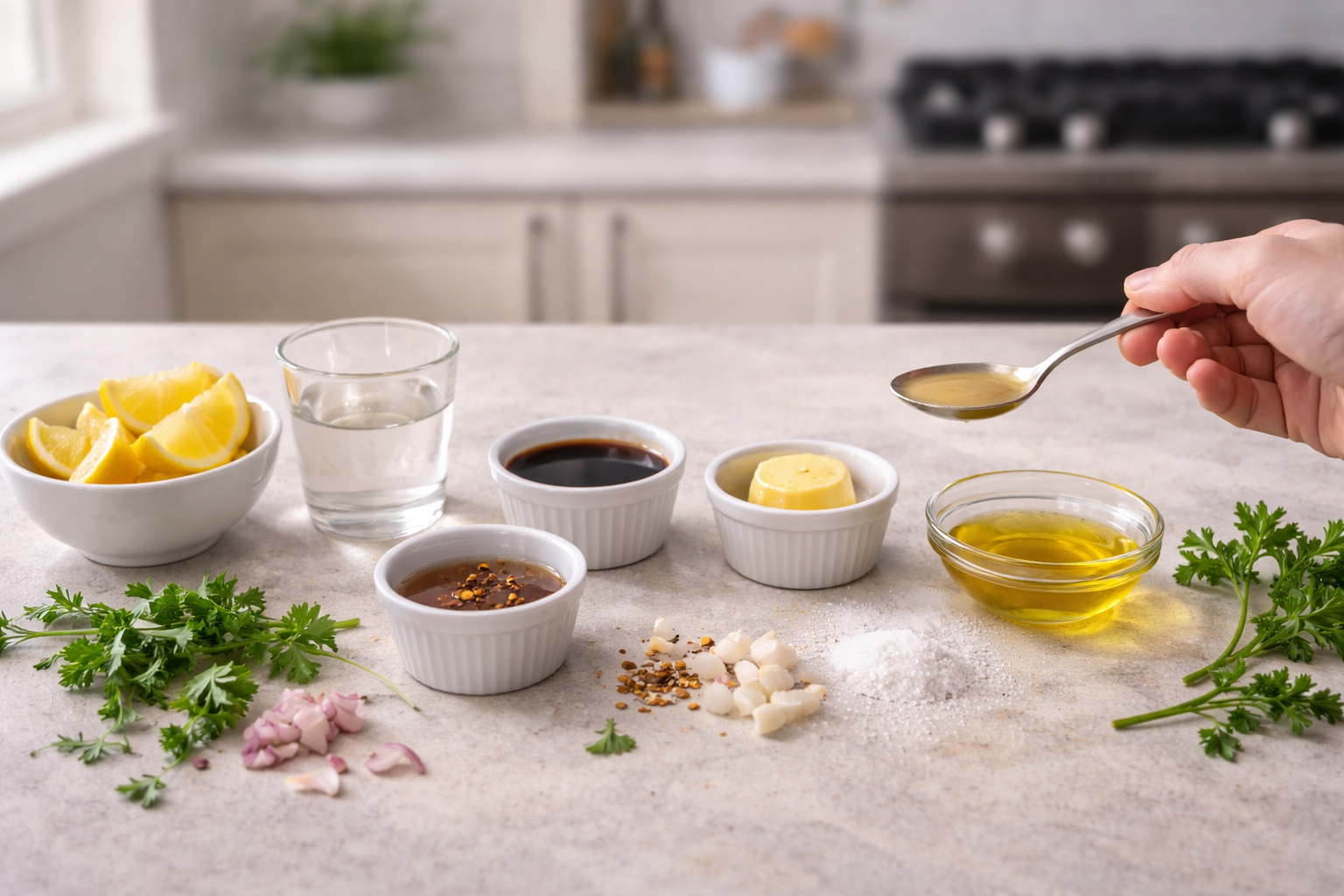
Balancing flavors is the foundation of satisfying home-cooked meals.
A well-balanced dish highlights each ingredient and makes cooking feel intentional.
Understanding how taste, texture, and aroma interact helps you fix problems quickly.
This article outlines simple concepts and practical steps to sharpen your flavor instincts.
Understanding the Five Basic Tastes
Most people think seasoning is just salt and pepper, but taste is more nuanced.
Sweetness, sourness, saltiness, bitterness, and umami create the sensory framework for flavor balance.
Recognizing which taste dominates a dish lets you choose targeted adjustments rather than guessing.
Tasting food at stages of cooking reveals how these tastes evolve with heat and time.
Developing a mental map of these tastes helps you make quick corrections.
With practice, identifying an imbalance becomes second nature.
Techniques to Adjust Flavor Balance
Adjustments fall into a few repeatable techniques you can use on most dishes.
Acid brightens and lifts flat flavors, while salt enhances overall perception.
Fat adds richness and mouthfeel, and bitterness can provide depth when used sparingly.
Heat and texture adjustments also influence how flavors are perceived.
- Acid: lemon, vinegar, tamarind — brighten flavors.
- Salt: seasoning and finishing salts — amplify taste.
- Fat: oils, butter, cream — smooth and carry flavors.
- Bitterness: char, bitter greens — add complexity.
Start with small amounts and taste between additions to avoid overshooting.
Layer adjustments gradually for a more controlled result.
Using Ingredients to Build Complexity
Choosing supporting ingredients is a strategic way to balance a dish without heavy-handed corrections.
A pinch of sugar can tame excessive acidity, while a splash of soy or miso can deepen umami.
Fresh herbs often provide aromatic lift that feels like a flavor reset, and roasted aromatics add savory notes.
Stock, broths, and reductions concentrate flavors and give dishes a refined backbone.
Plan plates with contrast in mind so every bite evolves.
Small touches compounded over time create consistently balanced results.
Tasting and Troubleshooting
Systematic tasting helps you pinpoint whether a dish needs more acid, salt, fat, or heat and reduces guesswork.
Use a clean spoon, taste in small bites, and think about the first impression and the aftertaste.
Compare a sample to the flavor profile you intended and note one or two focused corrections to make.
Simple habits like tasting at multiple stages and keeping a tasting note can rapidly improve your results.
When a dish feels unbalanced, choose the most impactful single change rather than multiple simultaneous fixes.
Repeat tasting after each small adjustment to keep control of the final flavor.
Conclusion
Building flavor balance is a skill developed by tasting, adjusting, and reflecting.
Use acids, salts, fats, and umami as your primary tools while keeping adjustments subtle.
Over time you will rely on intuition to create dishes that feel complete and satisfying.

