
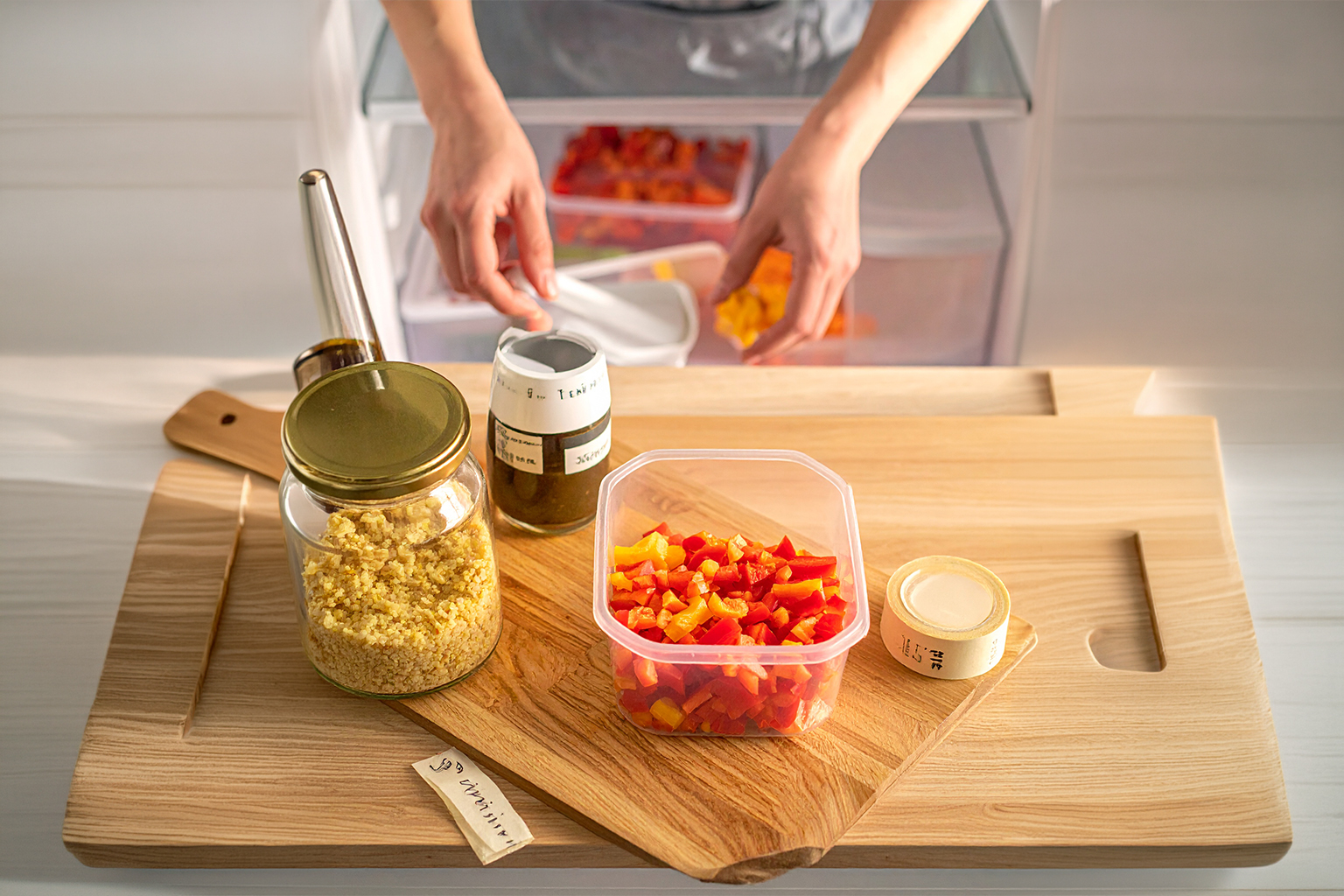
Spending a few intentional minutes in the morning can change how smoothly evenings unfold in the kitchen. Small prep habits reduce decision fatigue and give you quick wins when time is short. This article focuses on practical morning steps that support easier, faster dinner preparation without adding complexity. You can tailor these ideas to your schedule and available equipment.
Plan a Morning Micro-Prep
Reserve five to fifteen minutes each morning for a focused micro-prep session that primes the evening meal. During this time, scan the fridge, rinse produce, chop a few vegetables, or portion out proteins for thawing so they’re ready later. Label containers simply so family members can see what’s available and avoid last-minute decisions. These brief actions cut evening prep time and reduce stress when the day winds down.
Micro-prep doesn’t need to be perfect; consistency matters more than volume. Over time you will identify which quick tasks yield the biggest evening payoff and drop the rest.
Smart Ingredient Choices
Choose a few versatile staples that play well across meals and prepare them in the morning when possible. Cook a grain, wash and spin greens, or make a quick vinaigrette that can dress multiple salads or bowls; these options speed assembly and add flavor. Focus on ingredients that hold up through the day so texture and taste remain pleasing by dinnertime. Keeping a rotating list of go-to components makes planning faster and less guesswork-driven.
Picking adaptable ingredients reduces waste and decision-making. You’ll find it easier to combine components into satisfying dinners without extra shopping or effort.
Set Up Simple Workflows
Create predictable paths from storage to stove so evening tasks follow a natural order and require fewer interruptions. Arrange frequently used tools and ingredients where they’re easy to reach, and preheat equipment if a recipe benefits from it. Use containers that move from fridge to oven or stovetop, and choose recipes with overlapping steps to batch tasks efficiently. A clear workflow keeps the kitchen moving and minimizes friction during busy nights.
- Chop once, use twice: prep vegetables for multiple meals.
- Dress greens at the last minute to preserve texture.
- Batch grains and store in portioned containers for quick reheating.
Workflows are flexible and should fit your habits, not the other way around. Start small and refine what consistently saves you time.
Tools That Support Morning Prep
A few well-chosen tools amplify the value of your morning minutes and make prep safer and faster. An airtight set of containers, a sharp chef’s knife, and a reliable cutting board can significantly speed chopping and storage. A small digital timer or phone reminder keeps sessions brief and focused, while a simple marker helps label contents and dates. These modest investments reduce friction and make it easier to stick with morning habits.
Investments don’t have to be expensive; durability and ease of cleaning matter more. Start with one tool that will make the tasks you already do noticeably easier.
Conclusion
Morning prep habits are a low-effort way to improve evening cooking. A few consistent minutes reduce stress and expand what you can do after a busy day. Begin with one small habit and build from there.

