
Finding time for fitness amid shifting responsibilities requires a practical approach that fits real life. Small, intentional choices every day compound into meaningful progress without demanding unrealistic blocks of time. This article outlines adaptable strategies to keep movement consistent, preserve energy, and build steady gains. The goal is sustainable planning that respects fluctuating days and changing needs.
Building a Flexible Weekly Framework
Start by designing a weekly plan with flexible anchors instead of rigid appointments. Choose two or three core sessions you treat as priorities and slot shorter, optional activities around them so you can scale intensity based on your energy and schedule. Use time windows rather than fixed start times; this reduces friction when days shift and makes rescheduling simple. A flexible framework helps maintain consistency while accommodating work, family, or travel demands.
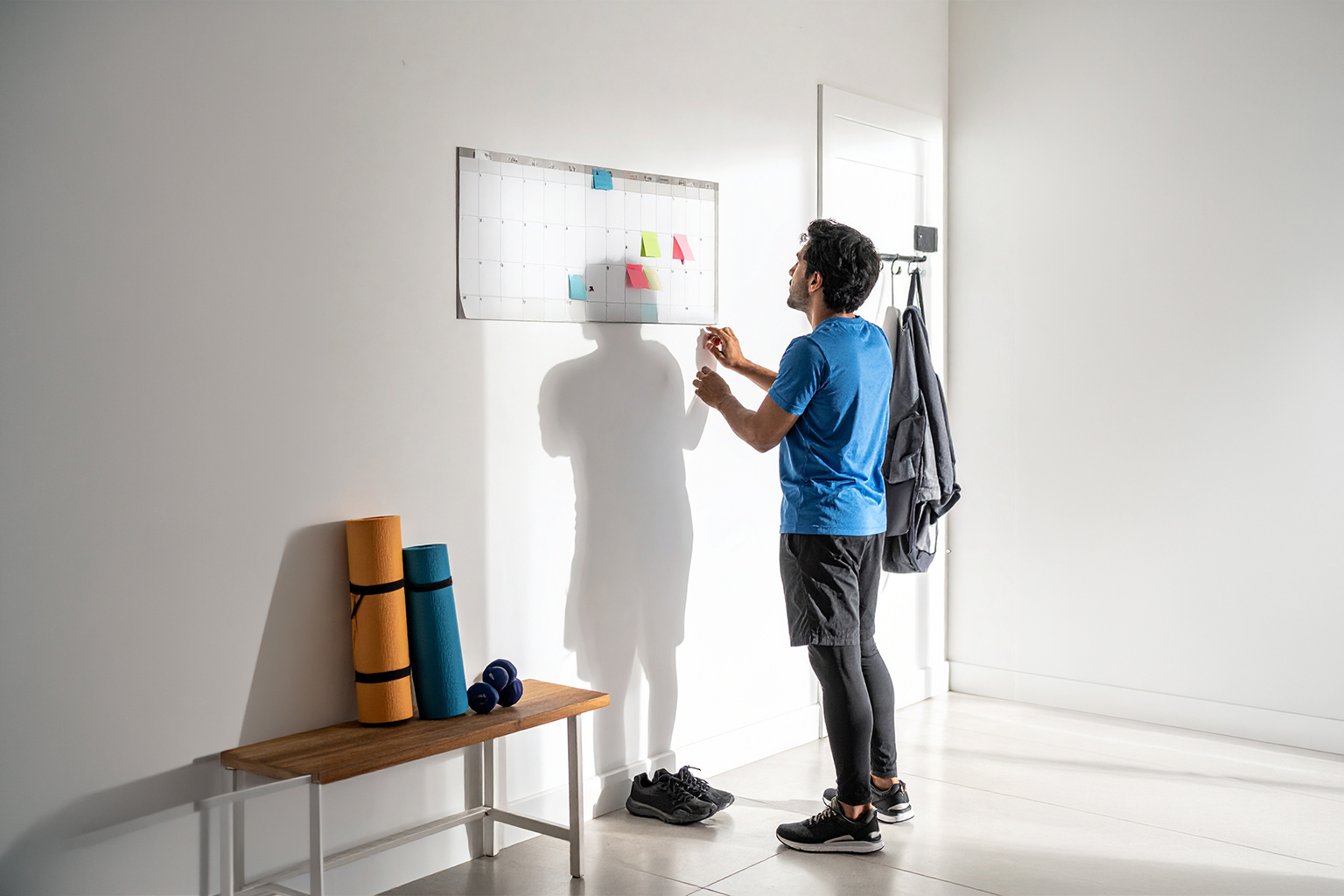
Keep the plan visible and editable so adjustments feel natural rather than like failures. Treat each week as a template you refine based on what actually happened.
Micro-Habits and Short Sessions
Micro-habits are brief, focused practices that produce results when repeated, such as ten-minute strength circuits or two five-minute mobility flows. Short sessions reduce the mental barrier to starting and allow you to accumulate activity across the day. Prioritize compound movements or whole-body routines in short windows to maximize efficiency and return on time invested. When energy is low, prioritize restorative movement or brisk walking to maintain habit continuity.
Over time, these tiny wins build physiological and psychological momentum that supports longer workouts when time permits.
Staying Accountable Without Pressure
Accountability systems should encourage consistency without adding stress. Use simple tracking tools, a training log, or a weekly checklist to record what you did and how you felt. Share goals with a friend or join a small group that values flexibility and real-life constraints rather than perfection. Regular reflection—weekly or biweekly—lets you adjust goals, celebrate progress, and avoid all-or-nothing thinking.
Choose accountability that reinforces habit formation and resilience rather than shame or comparison.
Conclusion
Consistent fitness is less about perfect plans and more about adaptable systems that match your life patterns. Focus on small, repeatable actions, flexible scheduling, and gentle accountability to keep momentum. Over weeks and months, these choices create lasting improvements in strength, stamina, and wellbeing.

