
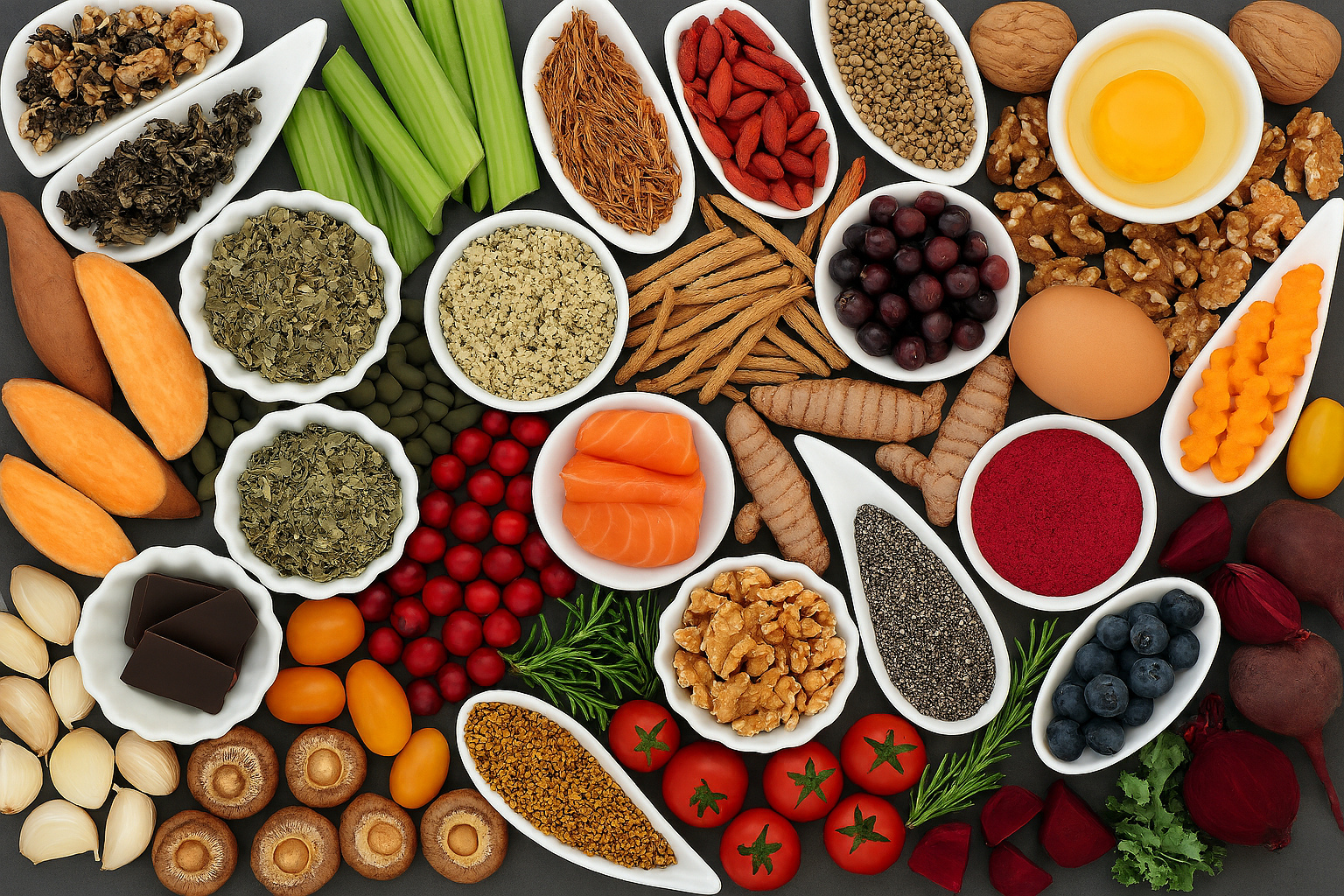
Plant-based diets have gained popularity worldwide, not only as a lifestyle choice but also as a path toward better health and sustainability. By focusing on fruits, vegetables, grains, legumes, nuts, and seeds, this diet emphasizes natural, nutrient-rich foods. However, like any eating pattern, it has its advantages and challenges.
The pros of plant-based diets are numerous. They are rich in fiber, antioxidants, and vitamins, which support heart health, reduce the risk of chronic illnesses like diabetes, and aid in weight management. Many people also experience higher energy levels, clearer skin, and better digestion after transitioning. Beyond personal health, plant-based eating is also environmentally friendly, as it reduces the demand for animal agriculture, which is a major contributor to greenhouse gas emissions.
On the flip side, the cons include potential nutrient deficiencies if not carefully planned. Common gaps involve vitamin B12, iron, calcium, and omega-3 fatty acids—nutrients typically found in animal products. Relying too heavily on processed plant-based foods, like meat substitutes or packaged snacks, can also undermine the health benefits. Additionally, some individuals find the diet restrictive in social settings or more expensive depending on food availability.
Conclusion
Plant-based diets can be an excellent choice for health and sustainability, provided they are balanced and well-planned. By incorporating a variety of whole foods and supplementing key nutrients where necessary, individuals can maximize the benefits while minimizing the drawbacks.

