
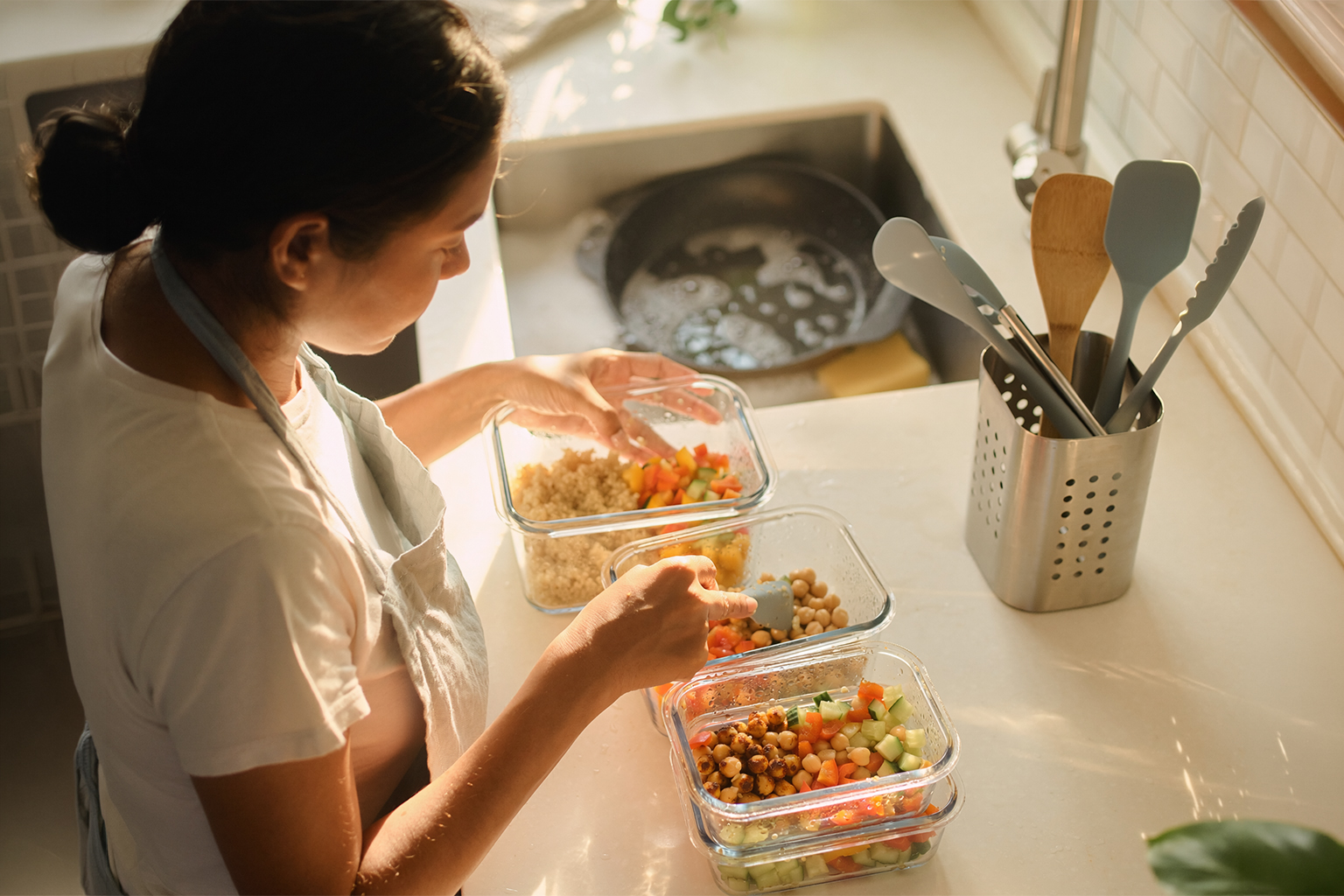
Establishing steady, repeatable kitchen habits makes everyday cooking less stressful and more enjoyable. Small changes in how you plan, prepare, and clean up can shave minutes off each meal while improving consistency. This article outlines practical habits you can adopt without investing in new gadgets or complex systems. Aim for gradual adjustments that build a calmer, more reliable routine at the stove.
Create Predictable Meal Rhythms
Routines reduce decision fatigue and keep weeknight cooking manageable. Choose a few go-to meals you can rotate, then map simple preparations to specific days so shopping and prep become predictable. Block a single time each week for planning and one for prep so ingredients are ready when you need them. Predictable rhythms also make it easier to involve others in cooking tasks and to reuse leftovers creatively.
- Plan three core dinners to rotate each week.
- Reserve one hour for weekly shopping and planning.
- Prep at least two components ahead of time.
Consistency matters more than perfection when forming habits. Start with one or two rhythms and expand as they stick.
Smart Ingredient and Tool Habits
Keep a small set of quality staples and tools that you actually use; this simplifies choices and speeds prep. Organize your pantry so frequently used items are at eye level and group similar ingredients together to prevent duplication. Maintain a concise inventory list and update it when you run low on basics so shopping stays intentional. Regularly review tools and donate or store items you seldom use to reduce clutter and decision time.
Familiarity with a limited range of ingredients enhances confidence and creativity. Over time, you’ll learn substitutions and pairings that make improvisation straightforward.
Maintain a Tidy Prep Space
A clear, organized countertop invites efficient work and reduces clean-up stress. Wipe surfaces between steps, return items to their assigned spots, and wash or soak used utensils as you move through a recipe. Keep a small station for commonly used tools to avoid hunting during a cooking session. These small housekeeping habits keep the workflow smooth and preserve enthusiasm for cooking.
- Use a single sink-soak habit for dirty pans during cooking.
- Keep a small caddy for daily utensils on the counter.
Regularly resetting the space after meals prevents clutter from accumulating. A tidy kitchen is both safer and more inviting for the next cooking session.
Conclusion
Adopting a few consistent habits transforms the kitchen into a calmer, more predictable workspace. Start small, focus on repeatability, and adjust routines to fit your household rhythm. Over time these practices reduce stress and make everyday meals more enjoyable.

