
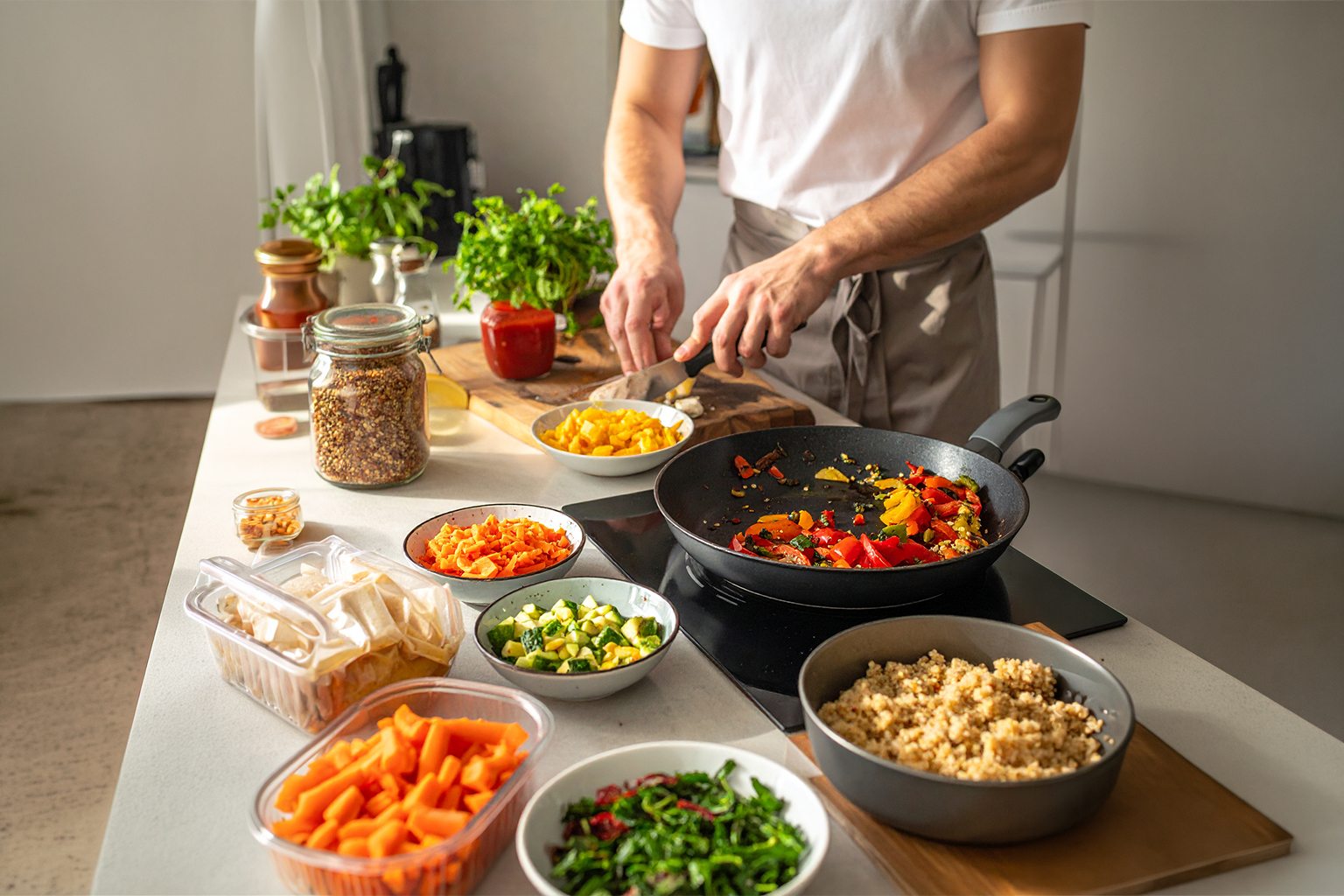
Weeknight cooking doesn’t need to be complicated to be satisfying. A few reliable shortcuts can cut preparation time and reduce stress while preserving flavor. This article outlines practical approaches you can adopt tonight and refine over time. Small, repeatable tweaks deliver consistently better results.
Plan with a flexible framework
Start by creating a weekly framework rather than a rigid menu. Choose a protein, a grain, and two adaptable vegetables you rotate through; this reduces decision fatigue but still allows variety. Keep one meal each week intentionally simple for busy nights, and one meal that invites experimentation when you have time. Over time the framework becomes a dependable scaffold for spontaneous substitutions.
Use a short master list of go-to recipes and staples. Having a concise set of fallback meals saves time when plans change and encourages confidence at the stove.
Optimize the core workflow
Design your cooking flow around three stages: prep, cook, and finish. During prep, gather and measure ingredients, preheat equipment, and chop what will cook at similar times to avoid bottlenecks. While cooking, multitask only when one task is passive, such as simmering a sauce while sautéing. Finish by plating and storing leftovers immediately to keep the kitchen tidy and speed future meals.
Refining these stages reduces wasted movement and repetitive steps. A consistent workflow also makes timing multiple dishes easier and minimizes last-minute scrambling.
Smart ingredient management
Invest time in organizing a few versatile ingredients that combine well: a jarred sauce, a sturdy grain, and long-lasting produce. Keep proteins portioned and labeled in the freezer so thawing is predictable, and maintain a small selection of canned goods for emergencies. When shopping, favor items that play well across recipes to stretch both flavor and budget. A little planning here saves repeated trips and decision time during the week.
Rotate ingredients seasonally to refresh flavors without changing your routine. Simple swaps — a different green, a new spice — keep meals interesting with minimal extra effort.
Conclusion
Adopting a flexible plan, refining your workflow, and managing key ingredients turns weeknight cooking from chore to routine. Small adjustments compound quickly and create meals that feel deliberate without taking more time. Start with one change this week and build from there.

