
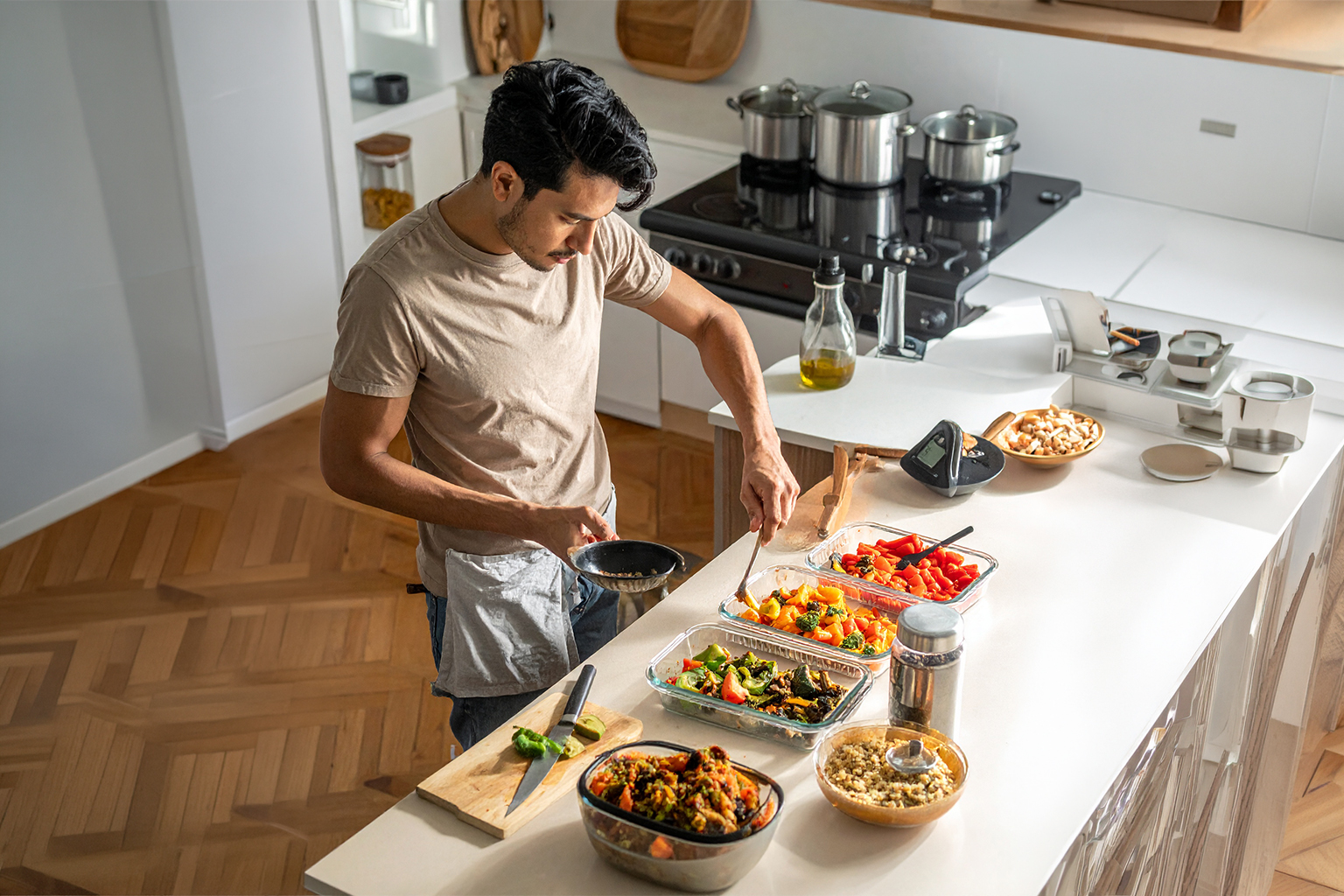
Efficient home cooking is less about tricks and more about consistent choices that reduce friction.
Small adjustments to how you plan, prep, and use equipment can shave minutes and improve results.
This article highlights practical habits that fit into busy lives without adding complexity.
Adopting a few repeatable practices will make weeknight meals more reliable and more enjoyable.
Plan Ingredients with Purpose
Start by choosing ingredients that work together across multiple meals, which reduces waste and shopping time. Designate a core set of staples and versatile proteins, and rotate a few seasonal vegetables. Prep these staples in consistent batches, such as roasted vegetables, cooked grains, or portioned proteins.
- Batch roast vegetables
- Cook grains for the week
- Portion and freeze proteins
Keeping a predictable stock of prepared ingredients shortens daily assembly time. These steps lower the barrier to cooking and limit last-minute menu decisions.
Optimize Tools and Workflows
Optimize your tools by keeping frequently used items within easy reach and storing specialty gadgets apart. Arrange your workspace into basic zones for prep, cooking, and plating to reduce back-and-forth movement. Select a few multipurpose tools that perform well and are easy to clean to avoid clutter and decision fatigue.
- Keep knives and cutting boards near prep zones
- Store measuring spoons together
- Group frequently used pots and pans
A tidy, intentional layout speeds every task and encourages consistent cleanup. Over time, these small adjustments save substantial minutes every week.
Build Small Timing Habits
Timing habits are a force multiplier: set realistic cooking windows and build short rituals around them. Use timers, cook similar dishes on the same day, and batch tasks like chopping or blanching to maximize efficiency. Simple checks like tasting early and seasoning as you go prevent last-minute corrections and improve final results.
- Set a timer for each cooking stage
- Group tasks by technique
Consistent timing reduces the cognitive load of deciding what to do next. Habitual routines make good results feel automatic and increase confidence in the kitchen.
Conclusion
Start small and pick one habit to practice this week.
Repeat it until it becomes automatic and then add another.
Over months, these choices produce faster, less stressful meals.

