
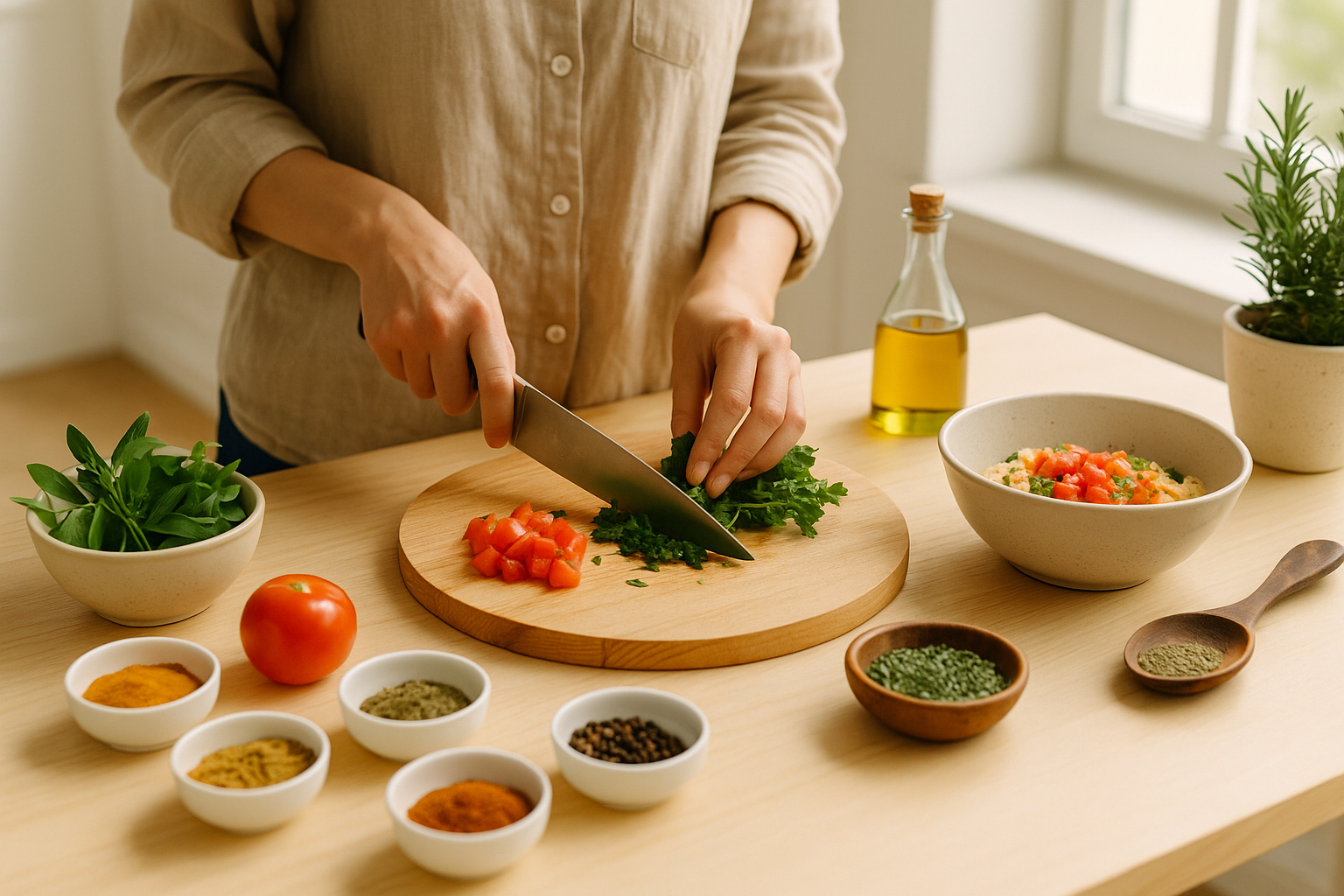
Herbs and spices are the secret ingredients that transform good dishes into unforgettable ones. They add aroma, depth, and personality to food—turning simple ingredients into culinary masterpieces. Whether you’re a home cook or an aspiring chef, mastering the use of herbs and spices can elevate your cooking from ordinary to exceptional.
Understand the Difference
While both enhance flavor, herbs and spices are distinct. Herbs come from the leafy parts of plants—like basil, parsley, and cilantro—while spices are derived from roots, seeds, bark, or fruit, such as cinnamon, cumin, and pepper. Herbs often bring freshness, while spices offer warmth and complexity. Knowing when and how to use each makes all the difference in balancing a dish.
Layer Flavors Thoughtfully
Timing is key when adding herbs and spices. Dried spices and sturdy herbs like rosemary or thyme release flavor slowly and should be added early in cooking. Fresh herbs like basil, dill, or cilantro are more delicate—best added at the end or as garnish to preserve their bright, fragrant notes. Layering them correctly ensures your dish develops depth without overpowering the palate.
Toast and Grind for Maximum Aroma
To unlock the full potential of spices, toast them lightly in a dry pan before grinding. This simple step releases essential oils and intensifies their aroma. For the freshest flavor, grind whole spices just before cooking using a mortar and pestle or spice grinder. The result? A richer, more vibrant taste that store-bought spice blends can’t match.
Pair Herbs and Spices with Intention
Different cuisines rely on signature flavor pairings. For example, cumin and coriander define Middle Eastern dishes, while basil and oregano bring out the heart of Italian cuisine. Experiment by mixing complementary flavors—like rosemary and garlic for meats or cinnamon and nutmeg for desserts. The goal is harmony, where no single spice dominates the dish.
Store Them Right
Light, heat, and air are the enemies of freshness. Store herbs and spices in airtight containers in a cool, dark place. Whole spices last up to two years, while ground versions lose potency faster. Label and date your jars so you know when to replace them, ensuring every pinch delivers maximum flavor.
Conclusion
Cooking with herbs and spices is both an art and a science. With the right balance, timing, and storage, these natural flavor enhancers can transform your cooking into something extraordinary. So experiment boldly, trust your senses, and let your kitchen fill with the aromas that make every meal a sensory adventure.

