
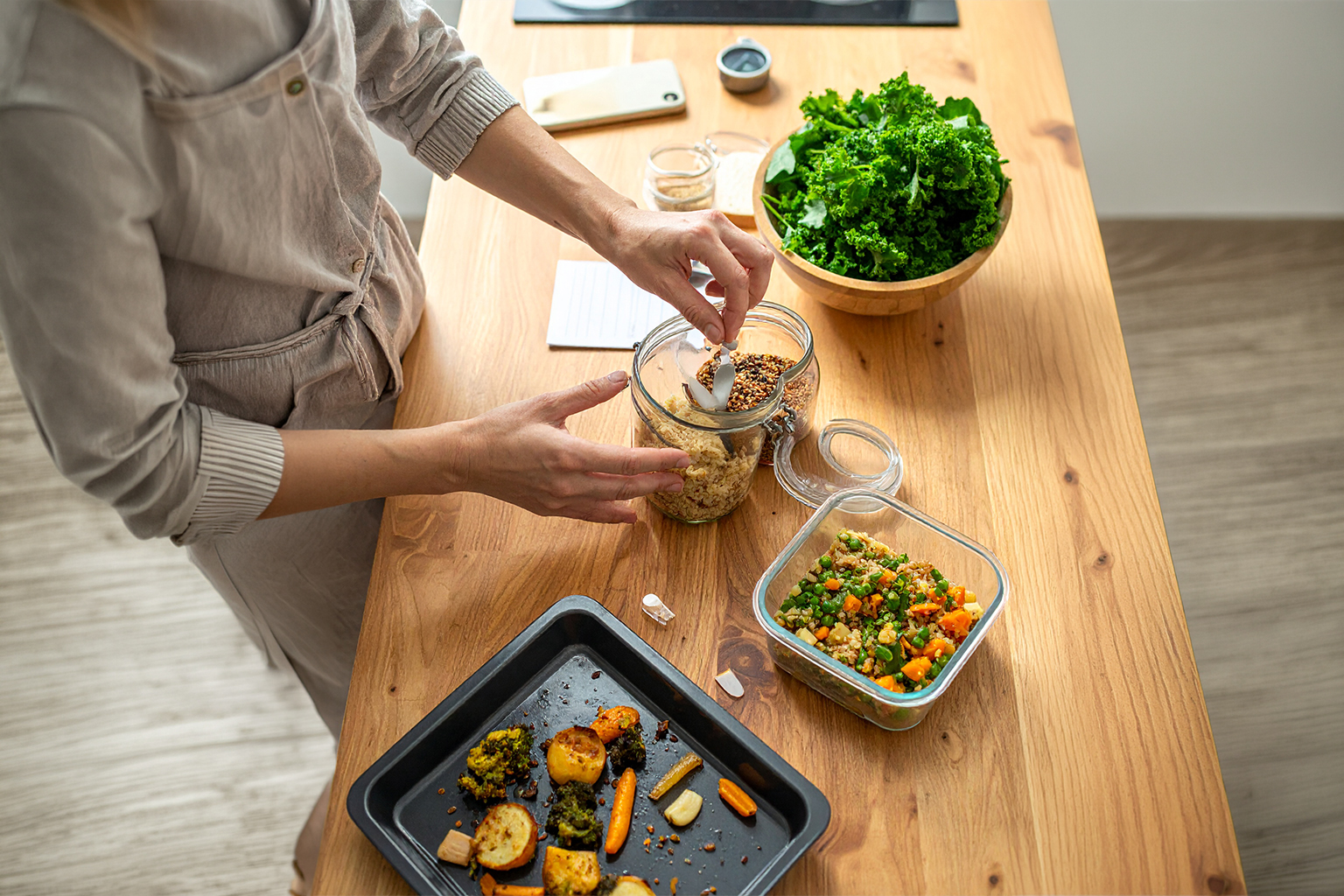
Cooking regularly feels smoother when systems replace guesswork.
Small frameworks—ways you organize prep, timing, and tools—reduce stress and raise consistency.
This article outlines practical approaches to planning meals, arranging ingredients, and using time more deliberately.
You will get actionable ideas to try tonight that respect busy schedules and limited space.
Organize Ingredients for Consistent Results
Start by grouping ingredients by use and frequency so you can scan options quickly. Keep staple proteins, grains, and versatile produce in clearly labeled zones to cut searching time. Rotate fresh items forward to reduce waste and rely on preserved goods as backups. A simple inventory checklist helps you plan a few go-to meals without frantic shopping. Label containers with dates to track freshness and simplify rotation.
- Staple grains: rice, pasta, and oats.
- Versatile proteins: canned beans, eggs, and tofu.
- Long-shelf items: oils, vinegars, and spices.
These small moves mean fewer surprises when you open the fridge. Over time you’ll waste less food and make quicker decisions about meals.
Adopt Simple Time-Saving Techniques
Batch cook components and use quick finishing techniques to assemble varied meals fast. Prepping aromatics, washed greens, and cooked grains in midweek reduces nightly workload. Use timers and overlapping tasks so one process finishes as another starts, keeping flow moving. Favor multipurpose methods like roasting and sautéing that quickly transform many ingredients.
Timely prep turns evenings from frantic to manageable. You’ll find more space to focus on seasoning and plating without adding work.
Maintain Tools and a Minimal Pantry
Prioritize a handful of reliable tools that do many jobs instead of an overflowing drawer. A sharp chef’s knife, a sturdy pan, and a good sheet tray cover most needs efficiently. Keep pantry items that combine well across cuisines to make improvisation easy. Regularly declutter utensils and replace worn items to prevent frustration during cooking. Schedule a quick check each month to discard stale spices and broken tools.
This compact approach reduces decision fatigue and saves storage space. Over time it increases confidence because tools behave predictably and are ready when needed.
Use Templates and Flexible Recipes
Treat a few simple recipes as templates you can adapt with what’s available. Templates list structure rather than exact ingredients so substitutions are easy. Learn a handful of sauces, grain bowls, and one-pot bases to mix and match components. Recording favored swaps for proteins, vegetables, and seasonings saves time during planning.
These templates encourage creativity while keeping results dependable. You’ll build a personal library of reliable, quick meals.
Conclusion
Start small and adopt one framework at a time.
Measure results in saved minutes and reduced stress, not perfection.
These steady changes compound into steadier, more enjoyable cooking.

