
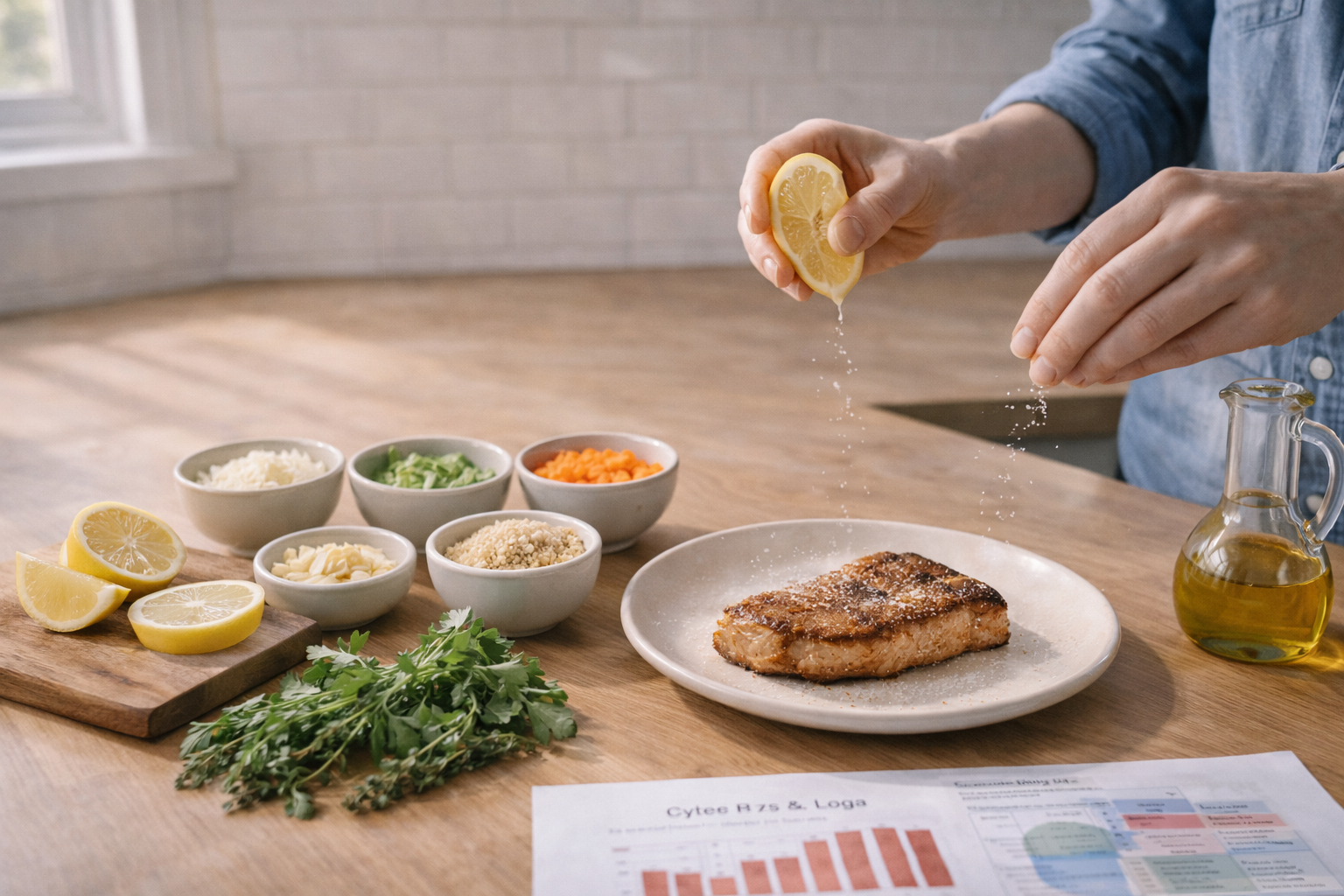
Busy evenings don’t have to mean uninspired food or rushed plates. Small, intentional techniques can change texture, flavor, and appeal without adding time. This article outlines practical approaches you can adopt tonight to improve consistency and taste. With minimal effort and a few mindful steps, weeknight cooking becomes more satisfying.
Why small techniques matter
Minor adjustments often yield outsized results because they affect how ingredients interact during cooking. Controlling heat, finishing with acid or fat, and seasoning at the right moments can transform the same set of ingredients into a richer meal. These techniques prioritize balance—bringing out natural flavors rather than masking them. Over time they also build kitchen confidence, making experimentation easier and less risky.
Adopting simple habits reduces waste and increases satisfaction with home-cooked meals. They are tools that scale from quick weekday dinners to weekend projects. Consistency is the real payoff; small, repeatable steps deliver dependable results.
Practical techniques to try
Begin with mise en place: have ingredients prepped and within reach so cooking flows and nothing overcooks. Use temperature control to your advantage—hot sears, medium finishes, and low gentle cooking each serve a purpose. Season in layers: a little salt at the start, more during cooking, and a final adjustment before serving. Finish with contrast like acid, fresh herbs, or a drizzle of good oil to brighten flavors at the end.
- Salt early and taste often to avoid underseasoning.
- Texture contrast: crisp toppings, creamy sauces, and tender proteins.
- Use one bright element: lemon, vinegar, or fresh herbs for balance.
- Rest proteins briefly to retain juices and improve texture.
Try one or two of these techniques each week and build them into your routine. Small, consistent changes are more sustainable than overhauls.
Timing and mise en place
Good timing makes cooking less stressful and results more reliable. Prep vegetables and aromatics before turning on the heat so you can focus on temperature and technique. Consider multitasking smartly—get grains or sauces started while proteins rest to maximize productivity. Keeping a clean workspace also speeds cleanup and reduces friction for the next meal.
Planning a little ahead also helps with balanced meals: think about protein, starch, and vegetables together rather than as separate tasks. Meal templates like sheet pans, one-pot dishes, and simple salads make it easier to combine techniques without complexity.
Conclusion
Small, deliberate techniques make weeknight cooking more reliable and rewarding.
Start with one change and practice it until it feels natural.
Over time these habits will elevate everyday meals with little extra effort.

