
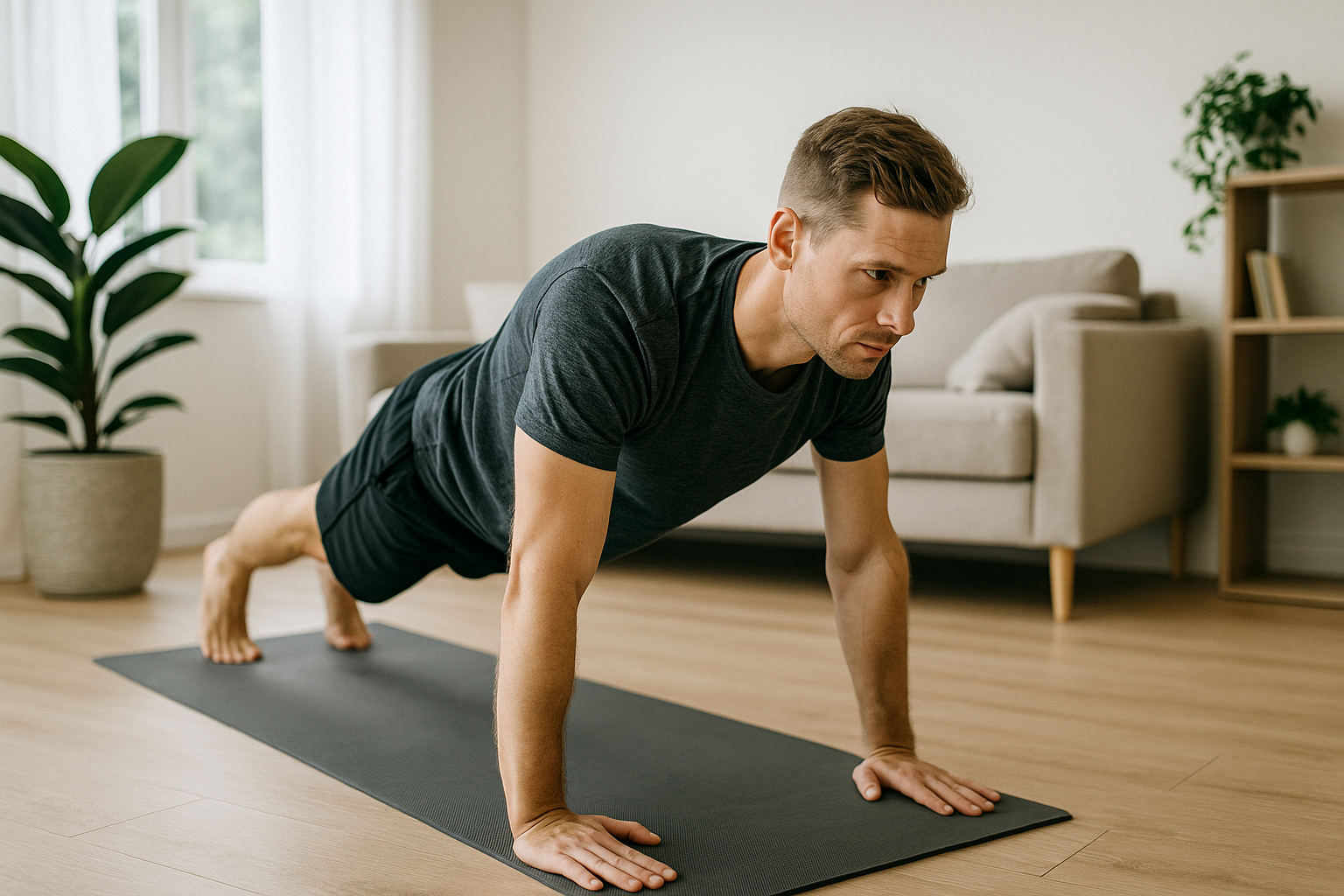
In a world where convenience often dictates fitness routines, bodyweight training stands out as one of the most effective and accessible forms of exercise. You don’t need a gym membership, expensive equipment, or even much space — just your own body and the determination to move. From improving strength and flexibility to boosting endurance and balance, bodyweight workouts can transform your fitness journey right from your living room or backyard.
The Simplicity and Science of Bodyweight Training
Bodyweight training uses your own weight as resistance to build muscle and endurance. Classic moves like push-ups, squats, lunges, and planks engage multiple muscle groups at once, improving overall functionality. The key lies in progression — increasing intensity through variations such as incline push-ups or single-leg squats. This form of training not only builds strength but also enhances core stability, posture, and mobility without the strain of heavy weights.
Benefits Beyond the Gym
One of the biggest advantages of bodyweight workouts is flexibility. You can train anywhere — at home, in a park, or while traveling. Since no equipment is required, it’s ideal for those with busy schedules or limited budgets. Beyond physical strength, bodyweight exercises improve body awareness and coordination, promoting better control over movements. Many fitness experts also recommend combining them with cardio or yoga for a well-rounded routine.
Functional Fitness for Everyday Life
Unlike machine-based workouts that isolate muscles, bodyweight training focuses on natural movement patterns. This builds functional fitness — strength that translates into daily activities like lifting, bending, and climbing stairs. Exercises such as burpees, mountain climbers, and planks challenge multiple systems of the body, enhancing both cardiovascular health and muscular endurance.
Getting Started and Staying Consistent
The best way to begin is with foundational moves: push-ups, squats, planks, and lunges. Gradually increase repetitions and add variations to prevent plateaus. Incorporating interval training — short bursts of intense exercise followed by rest — can maximize fat burning and keep workouts engaging. Most importantly, consistency matters more than intensity. Even 20–30 minutes a day can yield visible results over time.
Conclusion
Bodyweight training proves that fitness doesn’t depend on fancy gyms or heavy equipment — it depends on commitment. With nothing but your own body, you can build strength, agility, and confidence anywhere, anytime. It’s fitness simplified — and it works.

