
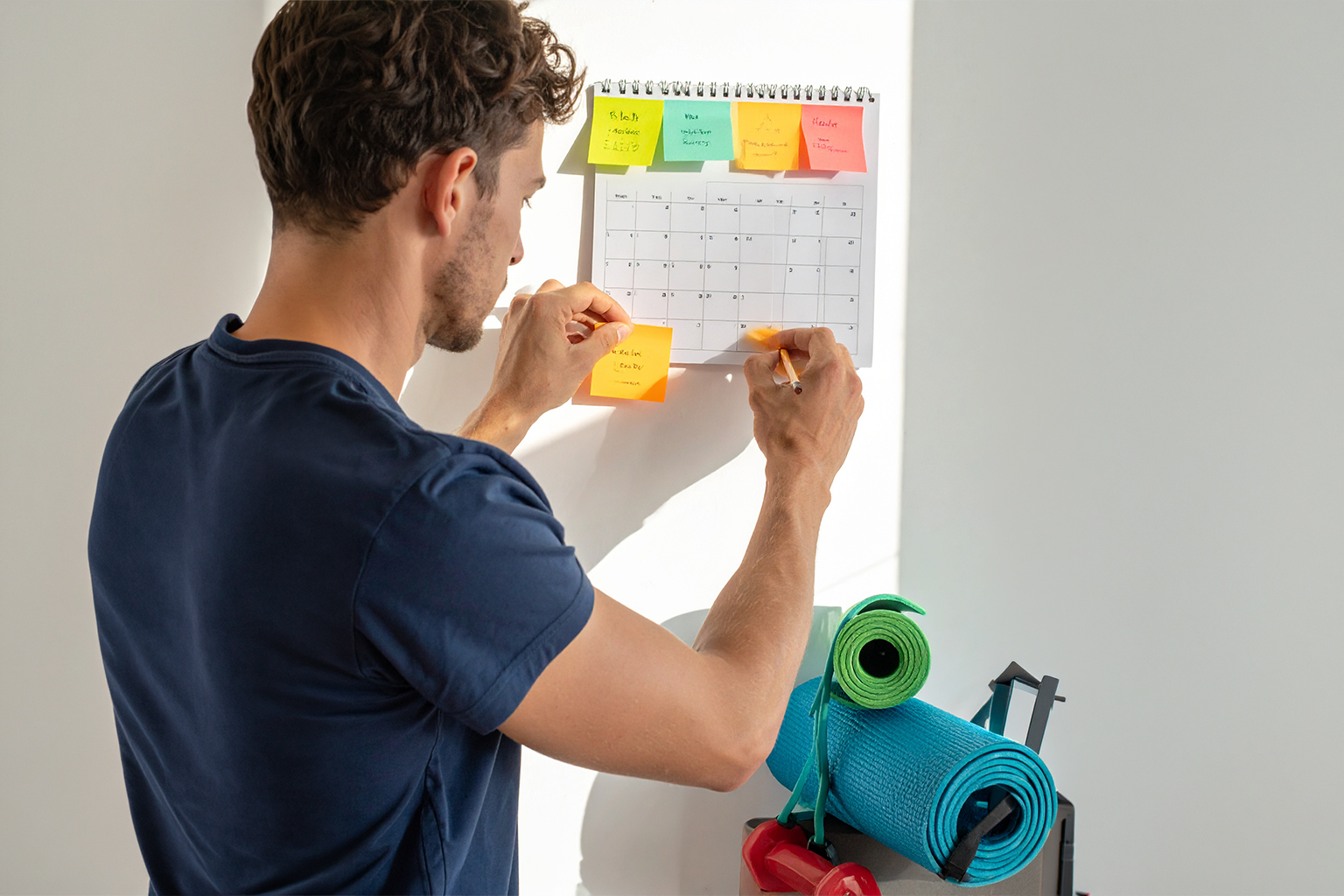
Creating a reliable approach to fitness doesn’t require dramatic schedules or fancy equipment. Small, predictable choices compound into meaningful progress over weeks and months. This article outlines practical ways to structure movement around real life demands, not the other way around. Use simple planning and gradual adjustments to build a routine you can sustain.
Prioritize realistic consistency
Start by setting activity goals you can realistically meet each week, not ideals you only hit once. Focus on frequency and habit rather than an all-or-nothing intensity model. Consistent short sessions are often more effective for long-term progress than intermittent long workouts. Emphasizing repeatable actions reduces mental friction and increases adherence.
- Example: three 20–30 minute sessions per week is a strong baseline.
- Example: add two 10-minute mobility breaks on busy days.
- Example: swap a scheduled workout for a brisk walk when time is tight.
These small, achievable anchors create momentum. Over time you can increase duration or load without disrupting your habit.
Design a flexible weekly structure
Map workouts to your real calendar and time of day when you have the most energy. A flexible framework—such as strength, mobility, and cardio days—lets you rearrange sessions without losing balance. Keep a couple of shorter backup sessions for unpredictable days so you don’t discard the whole plan. Flexibility reduces stress and helps you maintain consistency through changing weeks.
Instead of rigidly assigning exercises, choose categories and rotate movements. That approach keeps training varied and forgiving of schedule shifts.
Make sessions efficient and varied
Prioritize compound movements, multi-modal circuits, or interval formats to get strength and cardio benefits in less time. Varying intensity and movement patterns across the week prevents plateaus and keeps training interesting. Use simple equipment or bodyweight options so sessions are portable and easier to do anywhere. Efficiency increases the likelihood that a planned workout actually happens.
- Sample mini-session: 5-minute warm-up, 15 minutes of intervals, 5 minutes of mobility.
- Sample strength: 3 sets of squats, push movements, and rows with brief rests.
Short, purposeful sessions can deliver measurable progress when repeated consistently. Keep workouts adaptable to sustain long-term engagement.
Monitor progress and adapt
Track a few clear metrics such as session frequency, weights lifted, or perceived exertion to assess progress without overcomplicating things. Review performance every two to four weeks and adjust goals or session formats based on life changes and recovery. Use setbacks as data, not failures, and plan small, specific changes rather than sweeping overhauls. This iterative approach keeps progress aligned with real life.
Regular assessment helps you stay motivated and prevents wasted effort. Make gradual tweaks and keep the plan simple enough to follow.
Conclusion
Build fitness around consistent, realistic actions rather than perfect plans. Keep sessions efficient, varied, and adaptable so they survive busy periods. Small, sustainable choices compound into reliable long-term progress.

